



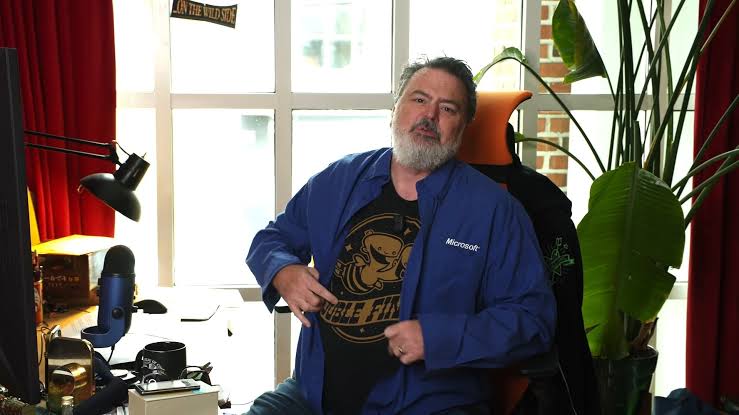
Double Fine founder Tim Schafer has reflected positively on the studio's years under Microsoft while acknowledging that Xbox Game Pass did not develop as strongly as he expected.
Double Fine has now returned to independent ownership after leaving Xbox Game Studios. Schafer described the Microsoft relationship as a strong partnership for much of its duration, saying Xbox invested heavily in the studio and initially had goals that matched Double Fine's work. The relationship eventually ended when Microsoft's priorities changed.
| Detail | Current position |
|---|---|
| Double Fine | Independent studio |
| Relationship with Xbox | Described positively overall |
| Reason for separation | Microsoft priorities changed |
| Schafer's view of Game Pass | Still believes in the concept |
| Main benefit he sees | Lower barrier for unusual games |
| Double Fine's new approach | Lower prices and new funding options |
Game Pass suited Double Fine's unusual games
Schafer remains interested in the basic idea behind Game Pass because subscription access can make it easier for people to experiment with games they might otherwise ignore.
That is particularly relevant to Double Fine, which has built much of its reputation around unusual concepts that can be difficult to explain through a trailer, screenshot or store description.
A subscription removes some of the purchasing risk. If you already have access to the service, trying an unfamiliar game does not require another full purchase. Schafer believes that makes the model potentially useful for creative studios whose projects may need time to find an audience.
However, he also acknowledged that Game Pass did not become the larger success he expected. Schafer said he does not fully understand why a subscription model became so successful for television and film through services such as Netflix while gaming subscriptions did not achieve the same result.
Double Fine is now considering other ways to reduce the barrier to trying its games, including simply making them more affordable.
Double Fine valued access to other Xbox studios
The Microsoft period also gave Double Fine opportunities beyond funding.
Schafer said the studio benefited from working alongside teams including Compulsion Games, Ninja Theory, Obsidian Entertainment and inXile Entertainment. Developers were able to exchange ideas, technology and production knowledge across the wider Xbox organization.
He described the overall experience at Xbox positively rather than presenting the separation as a hostile split.
Microsoft's priorities eventually moved in a different direction, however, and Double Fine decided independence was the better path.
The studio has already started building that next phase. It is exploring new funding relationships, working on new projects and looking for partners interested in supporting its future games. Schafer said several traditional funding routes available to independent developers have disappeared, but new alternatives are also emerging.
Independence brings a different funding challenge
Double Fine's return to independence arrives during a difficult period for the wider games industry.
Schafer described current conditions for developers as particularly challenging, with funding and stability becoming harder to secure. Even so, he remains enthusiastic about operating independently again.
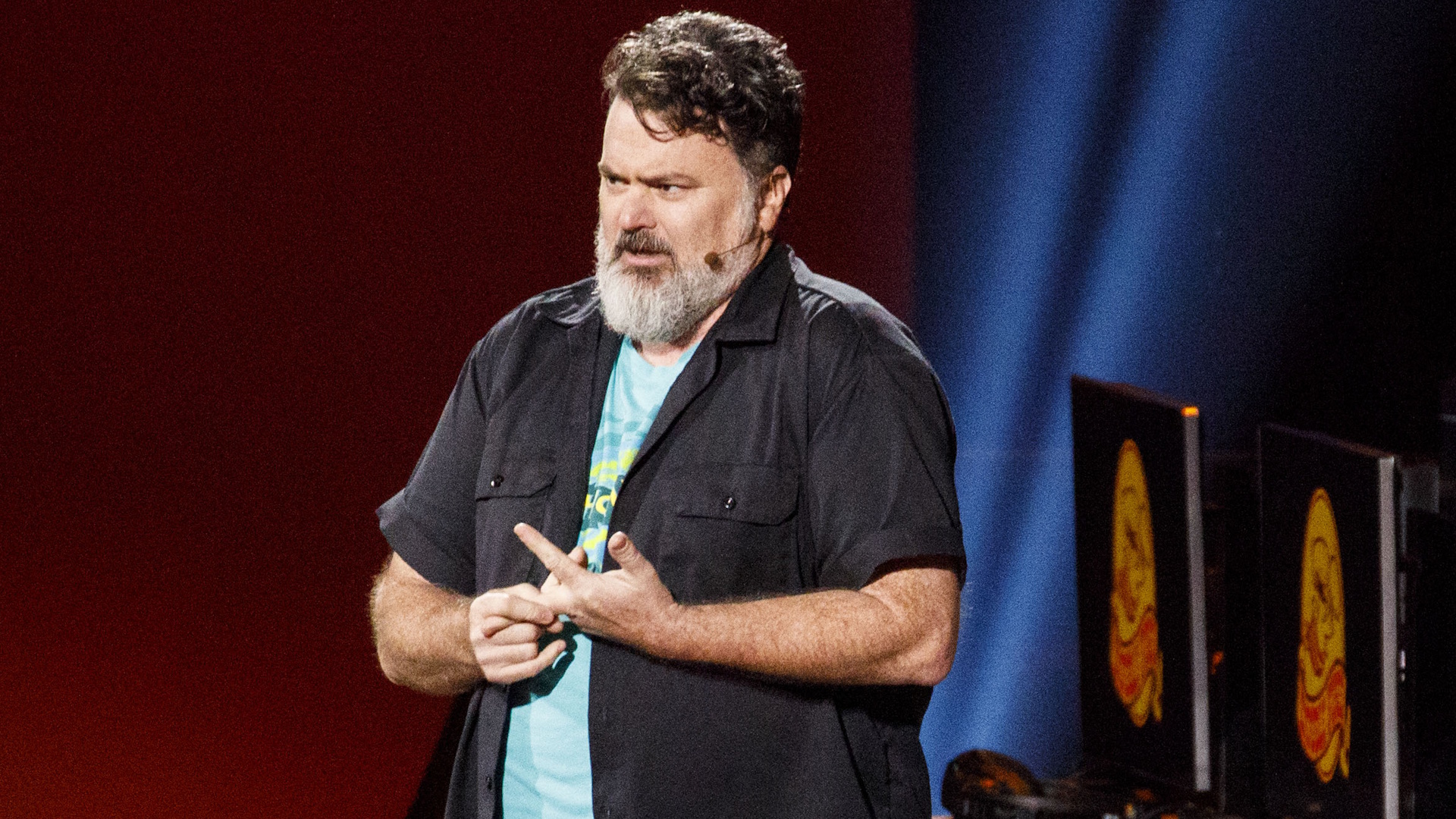
The studio is now experimenting with multiple approaches rather than relying on one large corporate owner. Its current activities include new projects, updates for existing games and efforts to secure funding directly.
Schafer's comments suggest he has not rejected the subscription model itself. He still sees value in giving people inexpensive access to unusual games. His uncertainty is about why Game Pass did not expand further despite the appeal of that idea.
For Double Fine, the immediate answer appears to be simpler pricing, independent funding and a willingness to work with different partners instead of building its future around a single subscription service.


Discussion (0)
Be the first to comment.