



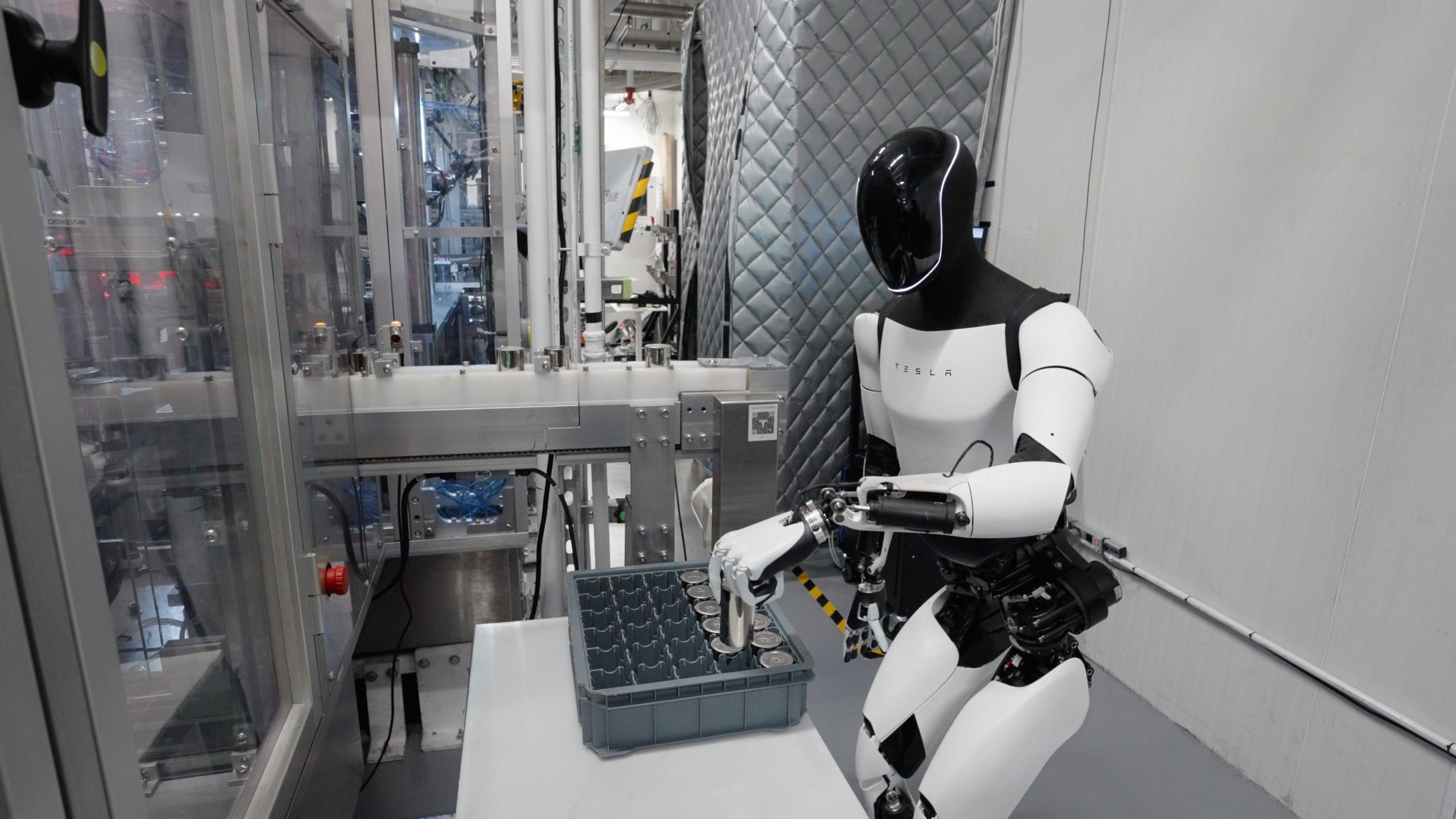
Tesla is reportedly taking further steps toward mass production of its Optimus humanoid robot, with suppliers in Taiwan preparing components that could be used in future manufacturing. The company has spent the past year placing more attention on robotics, and the latest supply chain claims suggest that work is moving beyond demonstrations and early prototypes.
The report says Tesla is working with suppliers on parts including harmonic reducers, robotic joint modules, and optical components. These are important parts of a humanoid robot because they support controlled movement, balance, and visual awareness.
Tesla has previously said that Optimus could eventually become one of its biggest businesses. The company is expected to begin limited production before expanding output more significantly in 2027, although these plans will depend on whether the robot can meet performance, cost, and reliability targets.
Taiwanese Suppliers Could Support Tesla’s Optimus Production Plans
Several companies in Taiwan are reportedly preparing to supply components for the Optimus program. One supplier is said to be providing harmonic reducers and joint modules, which are used to help robotic limbs move with greater precision.
Harmonic reducers are especially important in humanoid robots because they allow motors to deliver controlled movement in a smaller space. A robot needs many joints across its arms, legs, hands, torso, and neck, so even small improvements in the size, efficiency, or durability of these parts can affect the final design.
Another supplier is expected to contribute optical technology for the robot’s vision system. Humanoid robots rely on cameras, sensors, and advanced software to understand the environment around them. Tesla could use these systems to help Optimus identify objects, avoid obstacles, and complete tasks safely.
| Component Area | Reported Role in Optimus Development |
|---|---|
| Harmonic reducers | Help robotic joints move with controlled precision |
| Joint modules | Support movement in arms, legs, and other body parts |
| Optical components | Could support camera and vision systems |
| Robotic actuators | Convert power into controlled physical movement |
| Manufacturing facilities | May provide capacity for large scale component production |
Tesla Is Expected to Begin With Limited Production
Tesla has discussed a phased approach for Optimus, starting with lower volume production before increasing output. The company is expected to build early units in California and Texas, where it already operates major manufacturing sites.
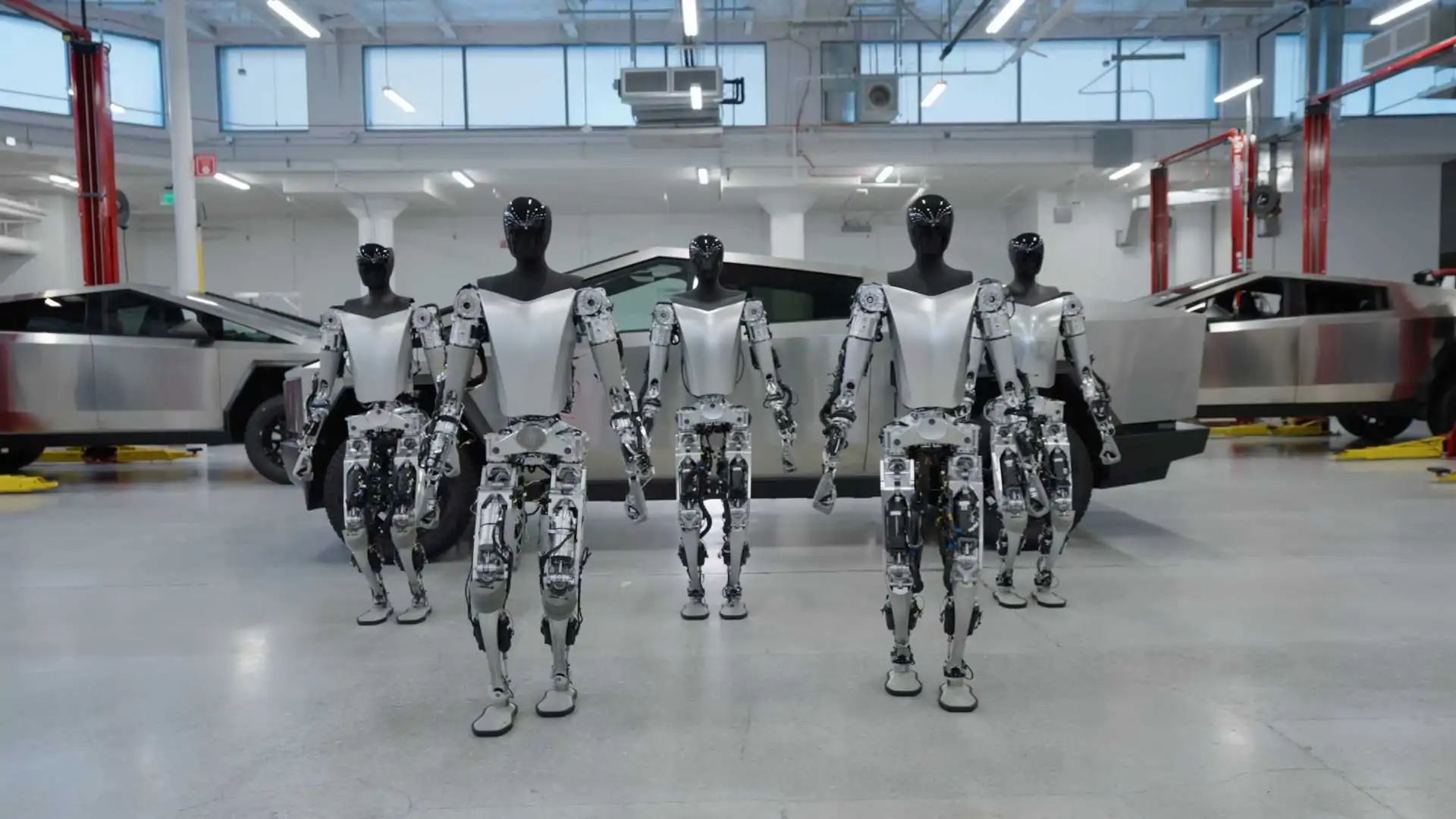
The first versions are likely to be used in controlled environments, including factories and warehouses. These settings are easier for robots to navigate because tasks can be repeated, workspaces can be designed around the machine, and human supervision is available.
Tesla has made ambitious statements about future production capacity, including plans for a one million unit production line at its Fremont facility and a much larger line at Gigafactory Texas. Those goals would require major progress in manufacturing, software, supply chain coordination, and cost reduction.
Humanoid robots remain difficult to produce at scale because they need reliable hardware, advanced AI, strong batteries, and safety systems that work in unpredictable real world conditions. A robot that performs well during a controlled demonstration may still face challenges when it is placed in busy workplaces or homes.
Optimus Could Become a Major Test of Tesla’s Robotics Strategy
Tesla’s Optimus project will be closely watched because the company is trying to turn humanoid robotics into a commercial product rather than a research project. The market has attracted growing interest from technology companies, automakers, and startups that believe robots could eventually assist with factory work, logistics, retail, and household tasks.
For now, the reported supplier activity suggests Tesla is preparing the hardware side of the program for a larger production push. Whether Optimus can reach Tesla’s production targets will depend on how quickly the company can move from development units to robots that are reliable, practical, and affordable enough for real customers.



Discussion (0)
Be the first to comment.