



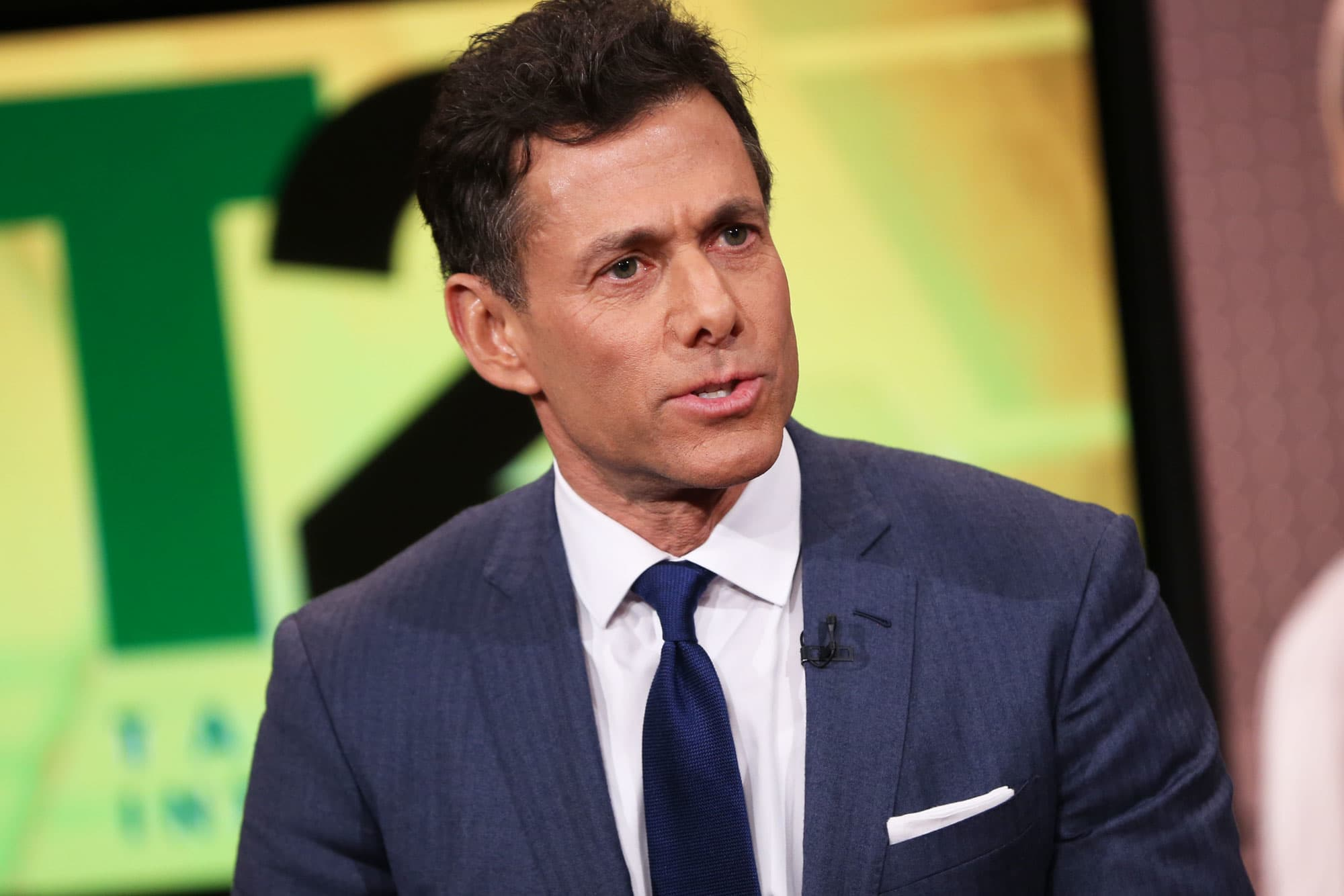
Take Two CEO Strauss Zelnick believes cloud gaming could become commercially viable within the next three years and significantly expand the number of devices capable of running major games.
Speaking during the company’s latest earnings call, Zelnick said rising console and PC hardware prices are not ideal, but he does not currently view them as a major obstacle for Take Two. He argued that demand for the company’s biggest games remains strong enough to offset some of the pressure created by higher hardware costs.
His larger point was that improved cloud streaming could reduce the importance of dedicated gaming hardware altogether by turning more everyday devices into capable game machines.
Take Two expects cloud gaming to improve within three years
| Area | Take Two view |
|---|---|
| Hardware prices | Higher costs are undesirable |
| Business impact | Not considered a major current headwind |
| Cloud gaming timeline | Commercially viable within three years |
| Main requirement | Low latency streaming |
| Potential installed base impact | Up to 10 times larger |
| Revenue impact | Not expected to grow at the same rate |
| Main opportunity | Reach players without dedicated gaming hardware |
Zelnick was careful to separate the potential growth in available devices from actual revenue growth.
A tenfold increase in the effective installed base would not mean Take Two expects its sales to increase tenfold. Many of the people most interested in premium games already own consoles or gaming PCs.
The larger opportunity would come from reaching people who do not currently have dedicated gaming hardware but may still be interested in widely recognized franchises.
That could be particularly useful for games with strong mainstream appeal.
Better network infrastructure could address cloud gaming’s biggest weakness
Cloud gaming has been attempted several times before, but latency has consistently limited the experience.
Even a small delay between controller input and the response shown on screen can make games feel less responsive. That becomes more noticeable in action games, competitive titles and other experiences that depend on precise timing.
Zelnick believes infrastructure improvements could change that.
He pointed to major advances in hyperscale networks and edge computing, where servers are placed geographically closer to customers rather than relying entirely on distant data centers.
Reducing the physical distance between the player and the server can lower latency and make streaming feel closer to local hardware.
He suggested that one company is preparing a significant edge network rollout in the United States, although he did not identify it.
Cloud gaming would reduce dependence on expensive hardware
The timing is important because consoles and PC components have become more expensive.
Higher memory costs, more expensive processors and GPUs, and broader supply chain pressures have pushed up the cost of gaming hardware.
That can reduce the number of people willing or able to buy a new console or gaming PC.
A strong cloud gaming service could remove some of that barrier.
Instead of purchasing powerful hardware, a player could theoretically stream a demanding game to a television, laptop, tablet or other device capable of decoding the video feed.
For publishers, this would increase the number of potential customers without requiring every player to own a high end machine.
Take Two is optimistic but not betting the company on it
Zelnick also acknowledged that his three year prediction could be wrong.
Take Two is not restructuring its entire business around cloud gaming, and the company still expects traditional consoles and PCs to remain important.
That makes the forecast more of a strategic expectation than a formal commitment.
The company already has several franchises that could benefit if streaming becomes more accessible, including Civilization, Mafia, Borderlands and XCOM.
Grand Theft Auto and Red Dead Redemption would be especially significant because of their broader mainstream audiences, although their future availability on specific cloud platforms has not been confirmed.
The key question is whether streaming technology can finally deliver consistently low latency at a large enough scale.
If that happens, Zelnick believes the gaming market could effectively become much larger because millions of devices that are not currently treated as game machines could suddenly become capable of running premium titles.
For Take Two, that would not replace traditional hardware overnight, but it could create an additional path to reach players as dedicated gaming systems become more expensive.



Discussion (0)
Be the first to comment.