



Valve’s wider release of SteamOS 3.8 gives PC builders a new way to create their own living room gaming system without buying an official Steam Machine. The operating system can now be installed on compatible modern desktops, laptops, and handheld PCs, making it easier to build a console style gaming PC around Steam’s interface.
SteamOS was originally developed for Steam Deck, where it helped Valve create a more focused experience than a traditional Windows gaming PC. With the newer release, the operating system is no longer limited to Valve hardware. Anyone with supported components can install it and turn a standard PC into a Steam focused gaming machine.
For now, the official SteamOS 3.8 release supports AMD graphics hardware. NVIDIA GPU support is planned for a future update, meaning some builders will need to wait or use a SteamOS based alternative such as Bazzite.
SteamOS Opens the Door for Custom Steam Machine Builds
The official Steam Machine offers a small form factor design and a ready made gaming setup, but its price makes it difficult for some people to justify. Building a similar system with standard PC components could offer more flexibility, easier upgrades, and potentially better performance.
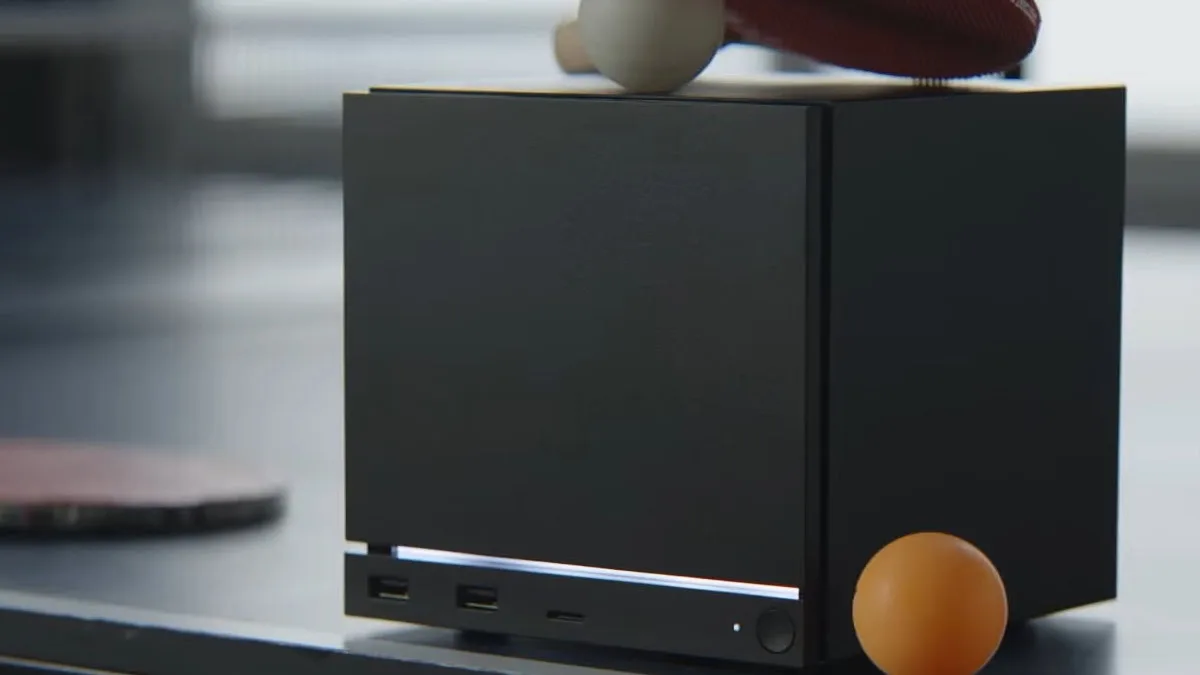
A custom SteamOS PC does not need to copy Valve’s compact design. You can use a Mini ITX case, a small power supply, and a modern AMD graphics card to create a living room system that fits beside a television.
This approach also gives you control over storage, memory, cooling, and graphics performance. Unlike a fixed console, individual parts can be replaced later when newer hardware becomes available.
| SteamOS build option | What it offers |
|---|---|
| Official Steam Machine | Compact ready made SteamOS system |
| DIY Mini ITX PC | More control over parts and upgrades |
| 3D printed compact build | Smaller custom design with added effort |
| SteamOS with AMD GPU | Officially supported option |
| Bazzite with NVIDIA GPU | Alternative for unsupported graphics hardware |
| Remote Play system | Lower cost option for streaming from another PC |
A Custom Build Can Offer Better Performance
One suggested compact SteamOS build uses an AMD Ryzen 5 8600G, Radeon RX 7600 graphics card, 16GB of DDR5 memory, 512GB of NVMe storage, and a Cooler Master NR200P V3 case.
The complete system costs around $1,229 based on the listed parts, which is still expensive but can offer stronger performance than Valve’s official machine. It also uses widely available PC components, making repairs and future upgrades easier.
| Component | Suggested part |
|---|---|
| Processor | AMD Ryzen 5 8600G |
| Motherboard | Gigabyte A620I AX Wi Fi |
| Memory | 16GB DDR5 4800 |
| Storage | 512GB NVMe SSD |
| Graphics card | Radeon RX 7600 8GB |
| Case | Cooler Master NR200P V3 |
| Power supply | 600W SFX L unit |
The design is not as compact as Valve’s hardware, but it avoids the limitations of a custom chassis and does not require access to a 3D printer.
SteamOS Could Be Useful Beyond High End Gaming
SteamOS is also useful for people who already own a powerful gaming PC elsewhere in the home. A smaller, lower cost system can run SteamOS and stream games through Remote Play, giving you access to your main PC library on a television without moving your full desktop setup.
This could reduce the need for an expensive graphics card in a second machine. A modest PC with reliable networking, enough storage, and SteamOS may be enough for a smooth couch gaming setup.
SteamOS 3.8 does not make a DIY Steam Machine cheap, especially with current hardware prices. However, it gives builders more choice. You can now decide whether you want a powerful custom gaming box, a compact SteamOS system, or a simpler Remote Play machine built around the same console style software experience.



Discussion (0)
Be the first to comment.