



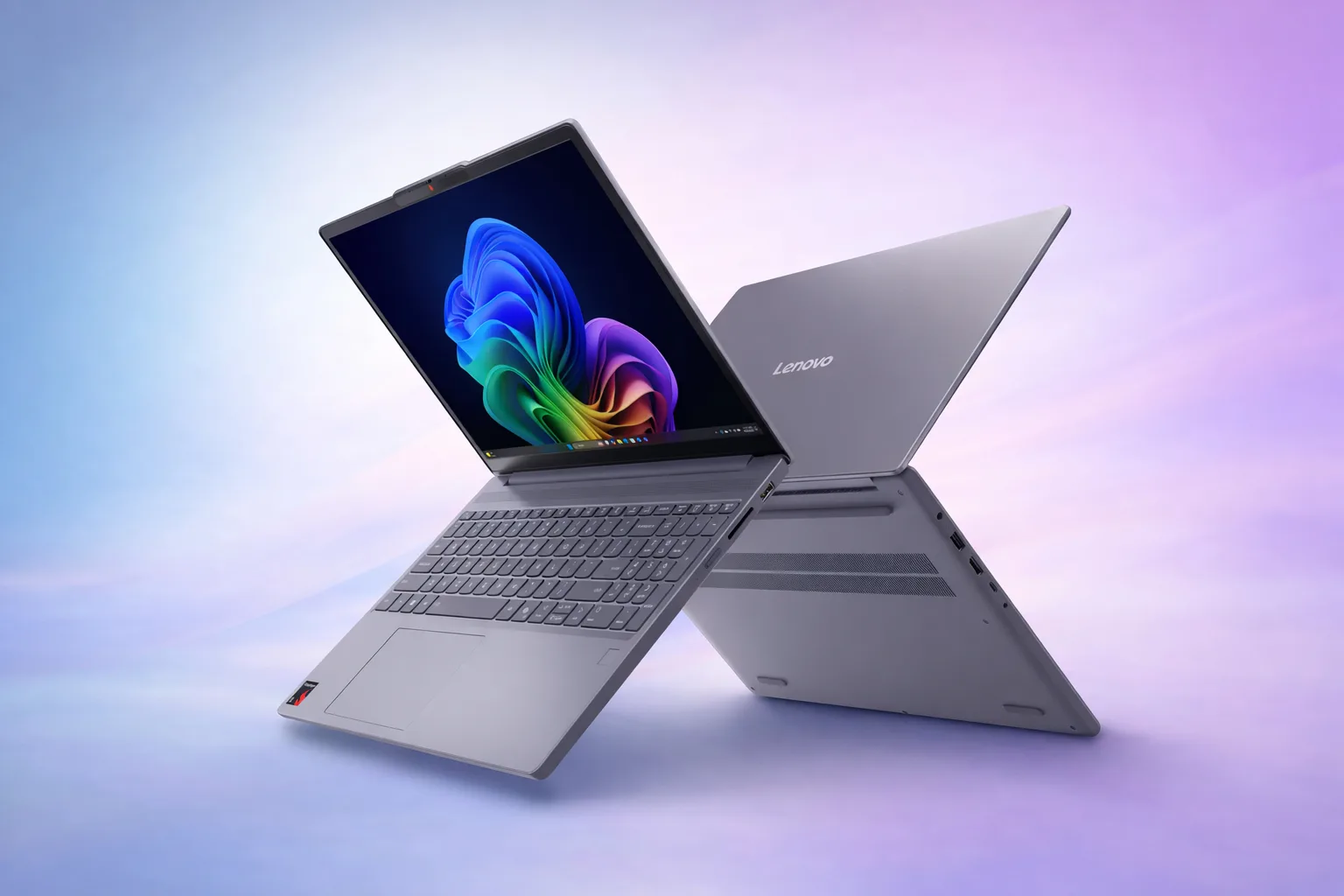
PC memory and SSD prices may not return to their older levels for years, with Lenovo reportedly warning that the current supply pressure could continue through 2030. The company believes the rapid rise in DRAM and NAND flash costs is no longer a normal short term market cycle, as AI data centres continue to take a growing share of global memory production.
For people planning a new PC or laptop purchase, the warning suggests that cheap RAM upgrades and low cost SSD deals may become harder to find. Memory and storage prices have already risen sharply since late 2025, affecting everything from entry level laptops to gaming desktops, smartphones, tablets, and consoles.
The core issue is demand for High Bandwidth Memory, also known as HBM. This specialised type of memory is used in AI accelerators and data centre hardware. Major memory companies are shifting manufacturing capacity toward HBM because AI infrastructure is creating much higher demand than the consumer PC market.
AI Demand Is Changing How Memory Makers Use Their Factories
Samsung, SK Hynix, and Micron control much of the global memory supply. These companies have been increasing their focus on HBM production, which is more profitable and heavily demanded by cloud providers and AI companies.
However, the factories and wafers used for HBM production are also needed for other types of memory. When more capacity is allocated to AI hardware, less may be available for mainstream DDR5 memory, laptop memory, and consumer SSD storage.
Lenovo’s concern is that this is not a temporary shortage caused by weak supply planning. New memory factories take years to build and begin production. By the time additional capacity arrives, demand from AI data centres may have increased again.
| Product category | How memory shortages could affect it |
|---|---|
| Desktop PCs | Higher RAM and SSD upgrade costs |
| Gaming laptops | More expensive configurations |
| Handheld gaming PCs | Higher prices for storage and memory models |
| Smartphones and tablets | Increased manufacturing costs |
| Game consoles | Higher hardware prices and fewer discounts |
| Enterprise servers | More expensive data centre upgrades |
DRAM and NAND Prices Have Already Risen Sharply
The pressure on the market is already visible. PC DRAM contract prices reportedly more than doubled during the first quarter of 2026, while NAND flash prices also rose significantly.
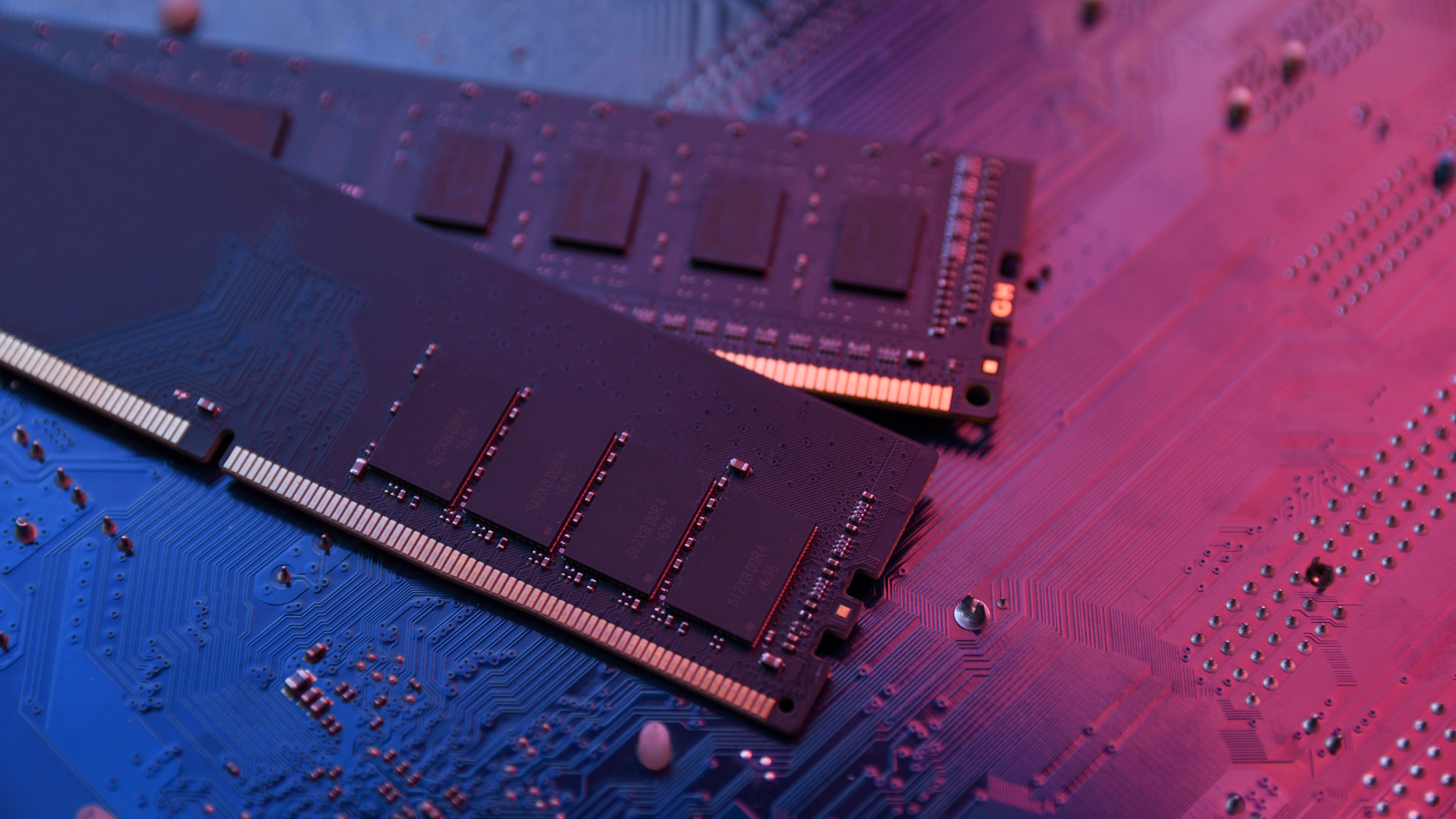
Manufacturers and retailers have increasingly passed those increases to customers. This is why new laptops, prebuilt PCs, handhelds, and storage upgrades are becoming more expensive even when other components have not changed much.
The impact has also reached the console market. Microsoft recently cited rising memory and storage costs when announcing another Xbox Series X and Series S price increase. If memory costs continue moving upward, other gaming hardware companies may face similar pressure.
Consumer Hardware Could Become More Expensive
For years, PC memory pricing followed a familiar pattern. Prices rose during shortages, then fell as supply expanded. Lenovo’s view is that AI demand may have disrupted that cycle by creating a large and long lasting need for advanced memory products.
That does not mean every RAM kit or SSD will become unaffordable. Sales and discounts will continue, and manufacturers are still investing in future capacity. However, the era of extremely cheap storage and memory upgrades may be ending for a while.
People who need more RAM or SSD storage for an existing PC may want to compare prices carefully rather than assuming costs will fall soon. For new PC buyers, choosing a system with enough memory and storage from the beginning could become more important if upgrades continue getting more expensive.



Discussion (0)
Be the first to comment.