



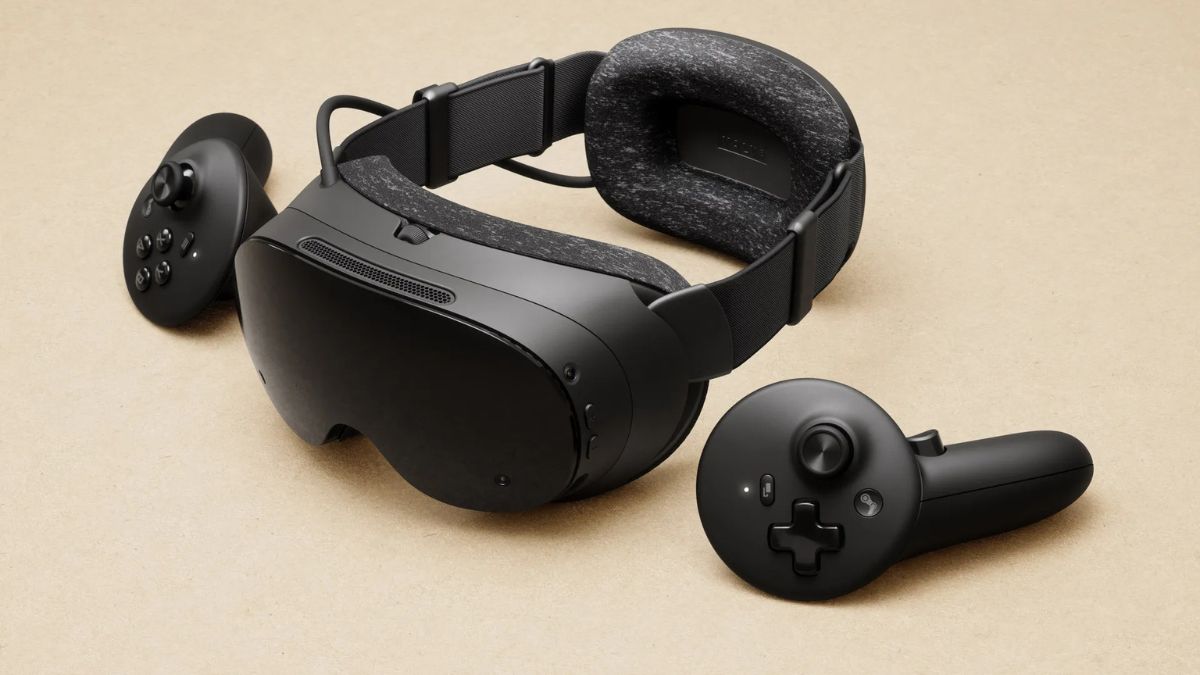
Valve’s upcoming Steam Frame headset may be moving closer to launch.
The device now has its own dedicated page on Qualcomm’s website. That is notable because Steam Frame is powered by Qualcomm’s Snapdragon 8 Gen 3 chip, so a product page from the chipmaker makes sense. The page itself does not reveal much new information, but its appearance adds to the feeling that Valve’s new VR headset is getting ready for a wider release push.
Steam Frame is already one of the more interesting VR devices on the horizon because it is built around Valve’s PC gaming ecosystem. For anyone with a large Steam VR library, the idea of a newer Valve headset is naturally exciting.
The hardware also looks competitive on paper. Steam Frame uses the Snapdragon 8 Gen 3, which is more powerful than the Snapdragon XR2 Gen 2 inside the Meta Quest 3. It also has more RAM than Quest 3, though raw chip performance does not tell the whole story. The XR2 Gen 2 is designed specifically for VR workloads, so real world comparisons will matter more than specs alone.
Here is the current picture:
| Device | Key point |
|---|---|
| Steam Frame | Uses Snapdragon 8 Gen 3 |
| Meta Quest 3 | Uses Snapdragon XR2 Gen 2 |
| Steam Frame advantage | More raw chip power and more RAM |
| Quest 3 advantage | VR optimized chip, hand tracking, body tracking |
| Steam Frame features | Higher resolution, variable refresh rate, foveated rendering |
The display and lens setup may be one of Steam Frame’s biggest strengths. The headset is expected to offer slightly higher resolution, variable refresh rate support, and foveated rendering. Those features could help with image quality and performance, especially if Valve handles optimization well.
The missing piece is tracking. Quest 3 has hand and body tracking, while Steam Frame reportedly does not. That could matter depending on the kinds of VR games and apps people want to use.
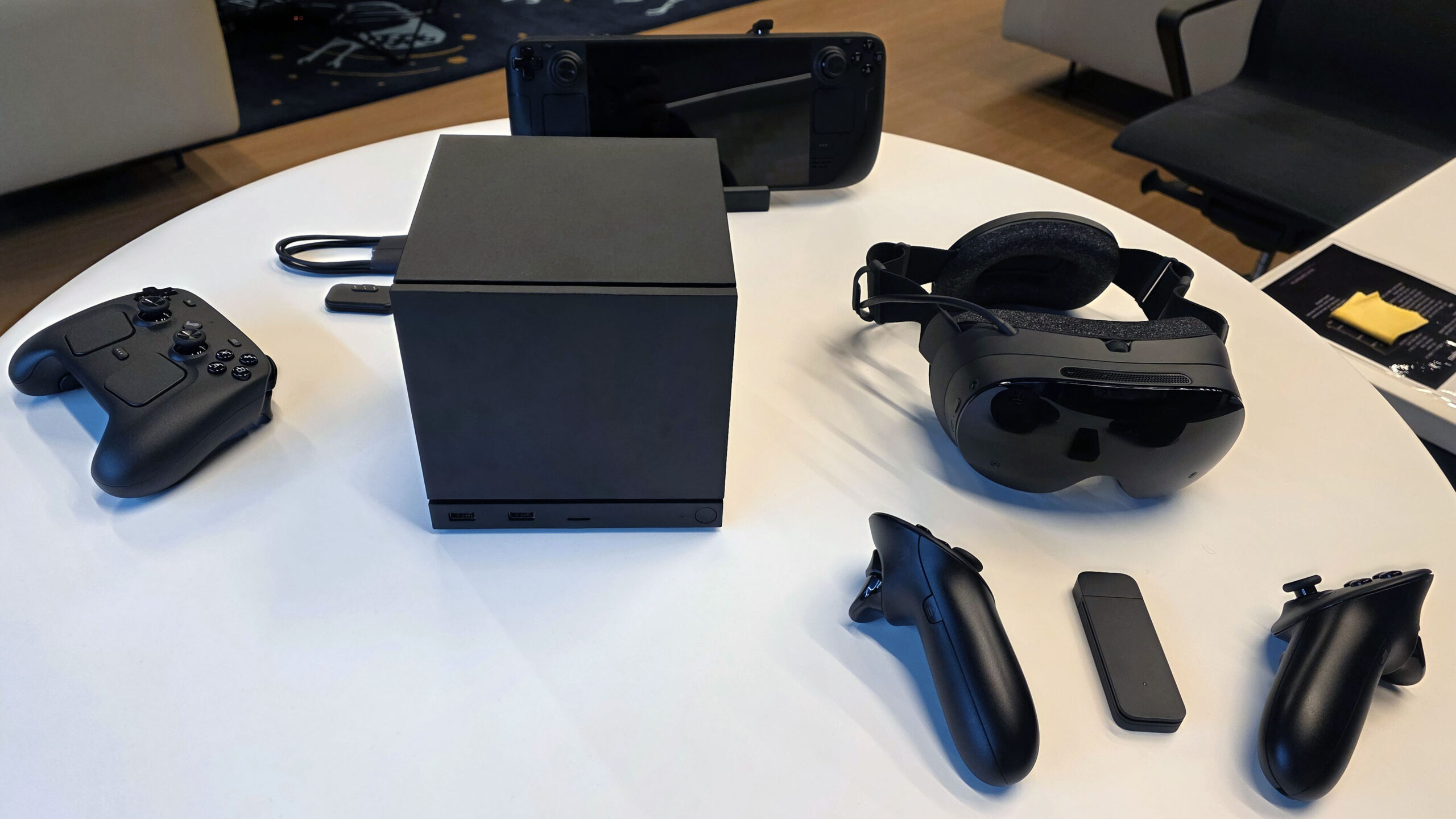
Still, Steam Frame has a clear advantage for players already invested in Steam. Valve has a huge VR library, and many PC players still have older headsets or games they have not touched in years. A new headset tied closely to Steam could give those players a reason to return.
There is still no confirmed release date. Qualcomm’s page does not announce pricing or availability, and Valve has not shared a final launch plan yet. But seeing Steam Frame appear on Qualcomm’s website is another sign that the device is becoming more real.
For VR fans, that is enough to keep the excitement going. Steam Frame may not replace Quest 3 for everyone, especially if tracking features matter most. But for Steam users who want a stronger standalone style headset connected to their existing library, Valve’s next VR device could be one of the most important launches to watch.

Discussion (0)
Be the first to comment.