



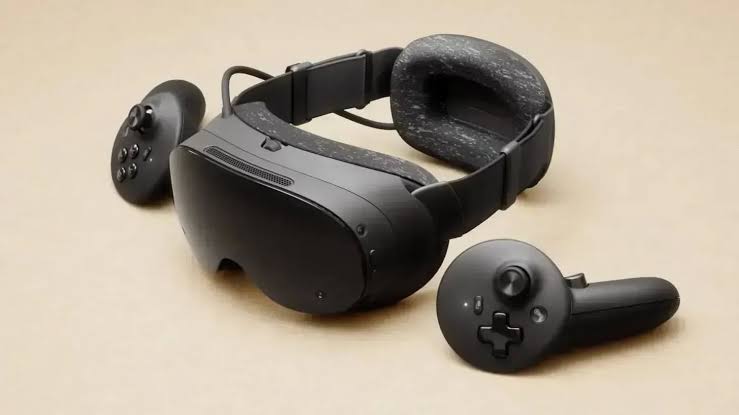
The Steam Frame has received its first public SteamOS update, bringing faster charging, improved controller tracking, graphics optimizations, and several fixes aimed at making the headset more reliable.
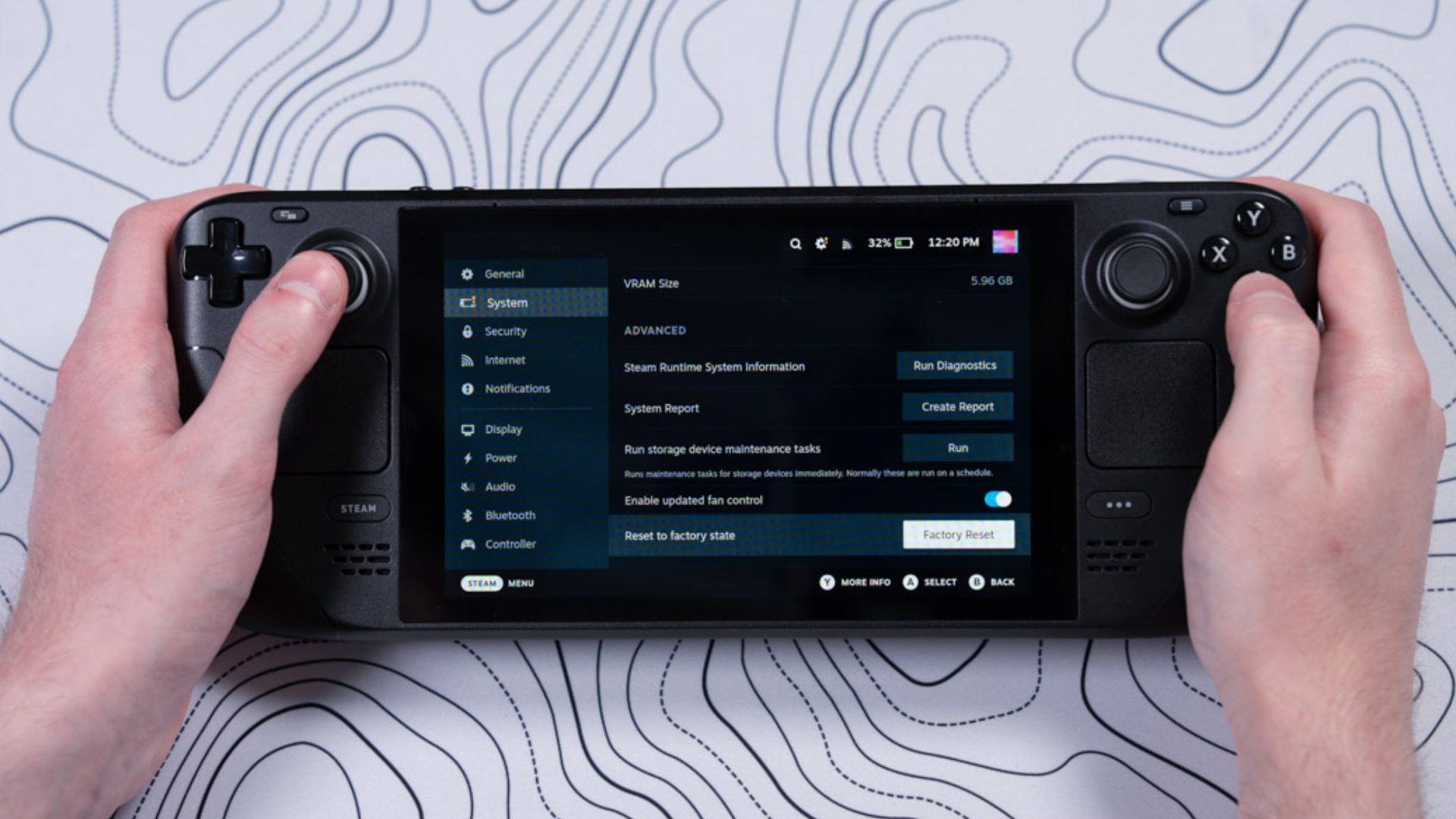
SteamOS 0.3.0 is now available through the Steam Frame system settings. One of the most noticeable changes is significantly faster charging while the headset is either powered off or in sleep mode.
The update also improves controller tracking while haptic feedback is active, addressing a situation where vibration could interfere with tracking accuracy.
Valve has also made broader stability changes for demanding workloads, while fixing a microphone issue that could produce garbled audio.
Steam Frame SteamOS 0.3.0 highlights
| Area | Change |
|---|---|
| Charging | Faster charging while off or sleeping |
| Controllers | Better tracking while haptics are active |
| Stability | Improved reliability under heavy load |
| Microphone | Garbled audio bug fixed |
| Motion smoothing | Improved behavior and settings |
| Half Life: Alyx | Specific motion smoothing improvements |
| Play area | Boundary display behavior changed |
| Compatibility | Vulkan layer fixes |
| Graphics | Mesa performance improvements |
The update includes several changes to the headset interface and VR experience.
A per app motion smoothing setting called Force Always On has been fixed after previously being ignored in some situations. Motion smoothing has also been improved specifically for Half Life: Alyx, which should help produce a steadier experience when performance drops below the headset's native refresh target.
There is also a new option that controls whether games dim when the Steam dashboard is visible.
The play area system has been adjusted too. SteamOS will no longer automatically display the boundary outline under the same conditions as before, giving you more control over how often those visual limits appear.
Graphics and compatibility also receive attention
Valve has made several developer focused changes that could improve game compatibility over time.
The performance criteria used to classify software as playable no longer requires a specific 1440p resolution target. Instead, games can meet the playable criteria at other resolutions.
This gives developers and compatibility testing systems more flexibility, especially for VR titles where performance can vary widely depending on rendering resolution.
Vulkan layer fixes are also included. These changes are intended to improve compatibility with a wider range of games and applications.
The update further includes several improvements to overall operating system performance and graphics performance through Mesa, the open source graphics stack used by SteamOS.
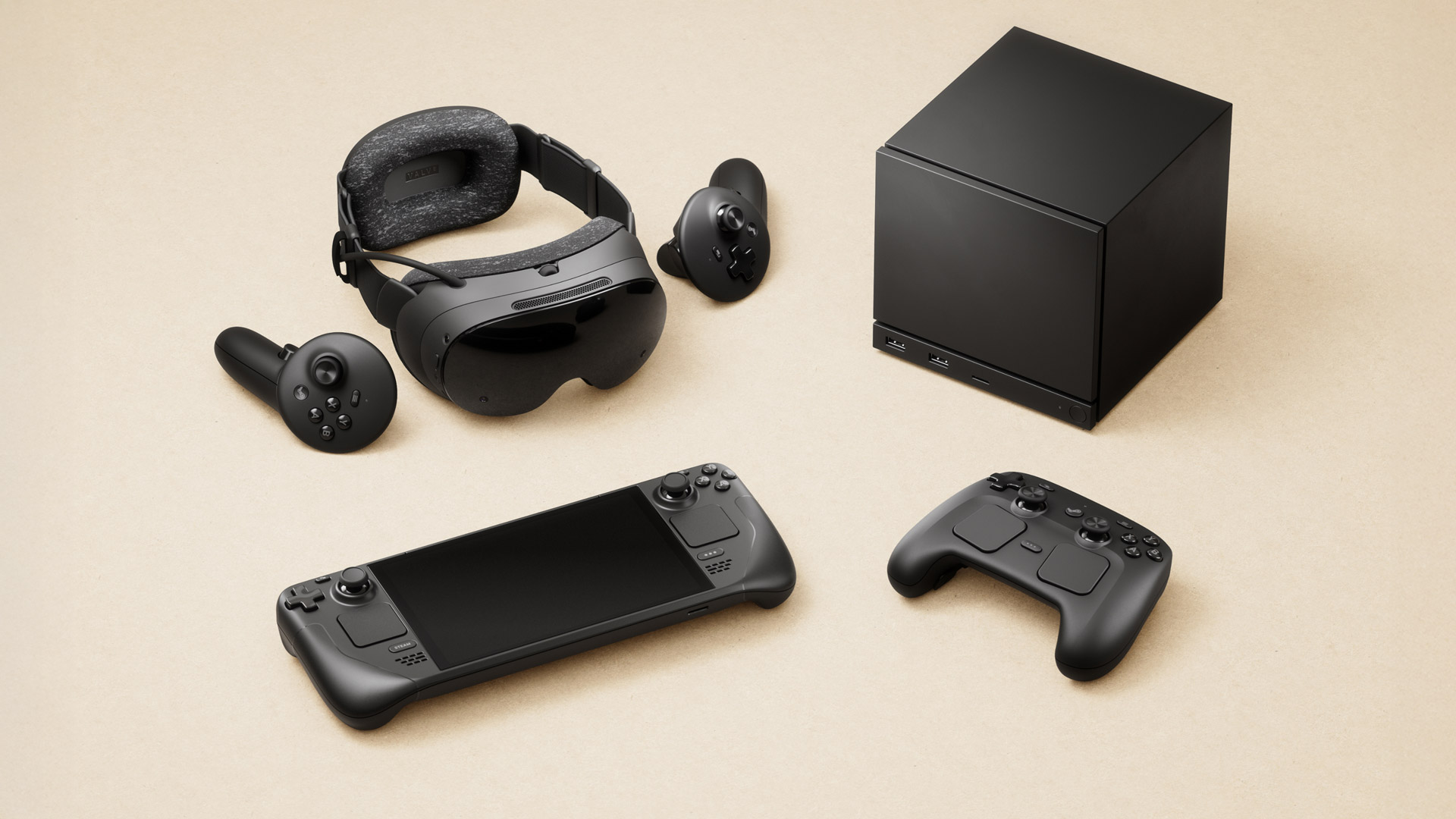
These changes may not produce the same level of improvement in every game, but they indicate that Valve is already tuning the platform shortly after launch.
The faster charging change could be especially useful for regular VR use. Headsets often spend long periods in sleep mode between sessions, so improving charging performance while the device is inactive can reduce the amount of preparation needed before playing.
Steam Frame launched only recently, and the arrival of SteamOS 0.3.0 shows that Valve is already addressing both hardware behavior and software compatibility.
For early owners, the update focuses on practical improvements rather than major new features. Faster charging, better tracking, improved graphics behavior, and stronger stability should make the headset easier to use while Valve continues refining SteamOS for VR.
Discussion (0)
Be the first to comment.