



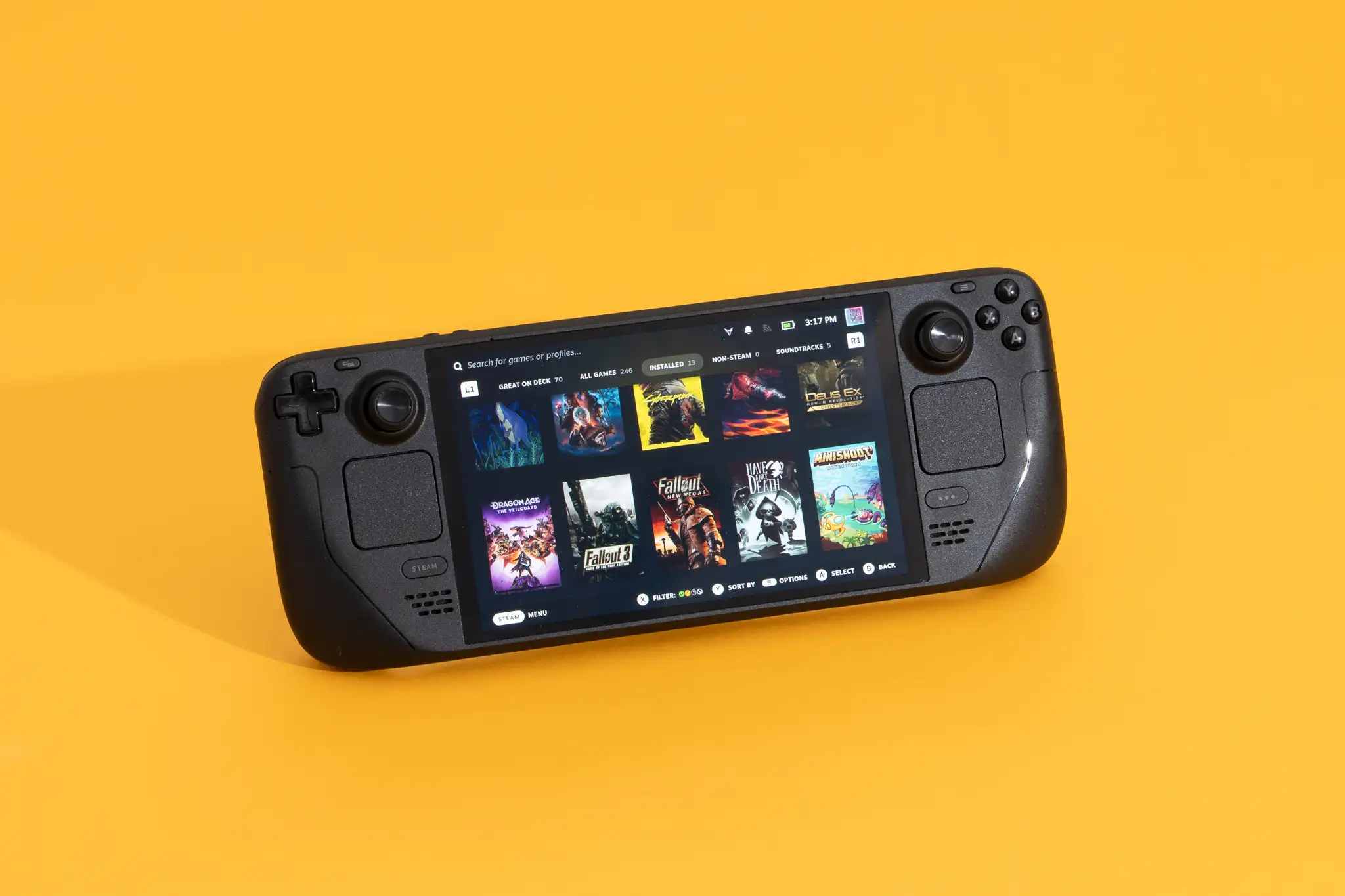
The Steam Deck OLED is still the best entry point for handheld PC gaming, according to The New York Times.
In a recent guide covering the best game consoles for different situations in 2026, The New York Times picked Valve’s Steam Deck OLED as the best way to play PC games on the go.
The choice makes sense. The Steam Deck is not the most powerful handheld anymore, but it remains one of the easiest to recommend because of its balance of price, battery life, controls, and software.
One of the biggest advantages is convenience. A gaming laptop can offer more power, but it is usually heavier, more expensive, and still needs a mouse or controller for the best experience. Battery life is also often poor, with many gaming laptops lasting only one or two hours under load.
The Steam Deck OLED is much simpler. It has the controls, screen, battery, and software all built around portable gaming.
The other major advantage is SteamOS. Unlike Windows handhelds, the Steam Deck interface is built for a controller from the start. That matters a lot. Devices like the ROG Ally and other Windows based handhelds can be more powerful, but using Windows on a small screen with gamepad controls can still feel awkward.
The Steam Deck feels closer to a console. You turn it on, open your library, pick a game, and play. For people coming from PlayStation, Xbox, or Nintendo Switch, that makes the transition to PC handheld gaming much easier.
| Steam Deck OLED strengths | Why it matters |
|---|---|
| Console like interface | Easier to use than Windows handhelds |
| OLED screen | Better colors and contrast |
| Strong battery life | Better for portable play |
| Lower price than many rivals | Easier entry into handheld PC gaming |
| Built in controls | No need for mouse or extra controller |
| Large Steam library | Access to many PC games |
There are still downsides. The Steam Deck uses older hardware, so some newer AAA games can struggle. Players may need to lower settings, use upscaling, or accept 30 FPS in demanding titles.
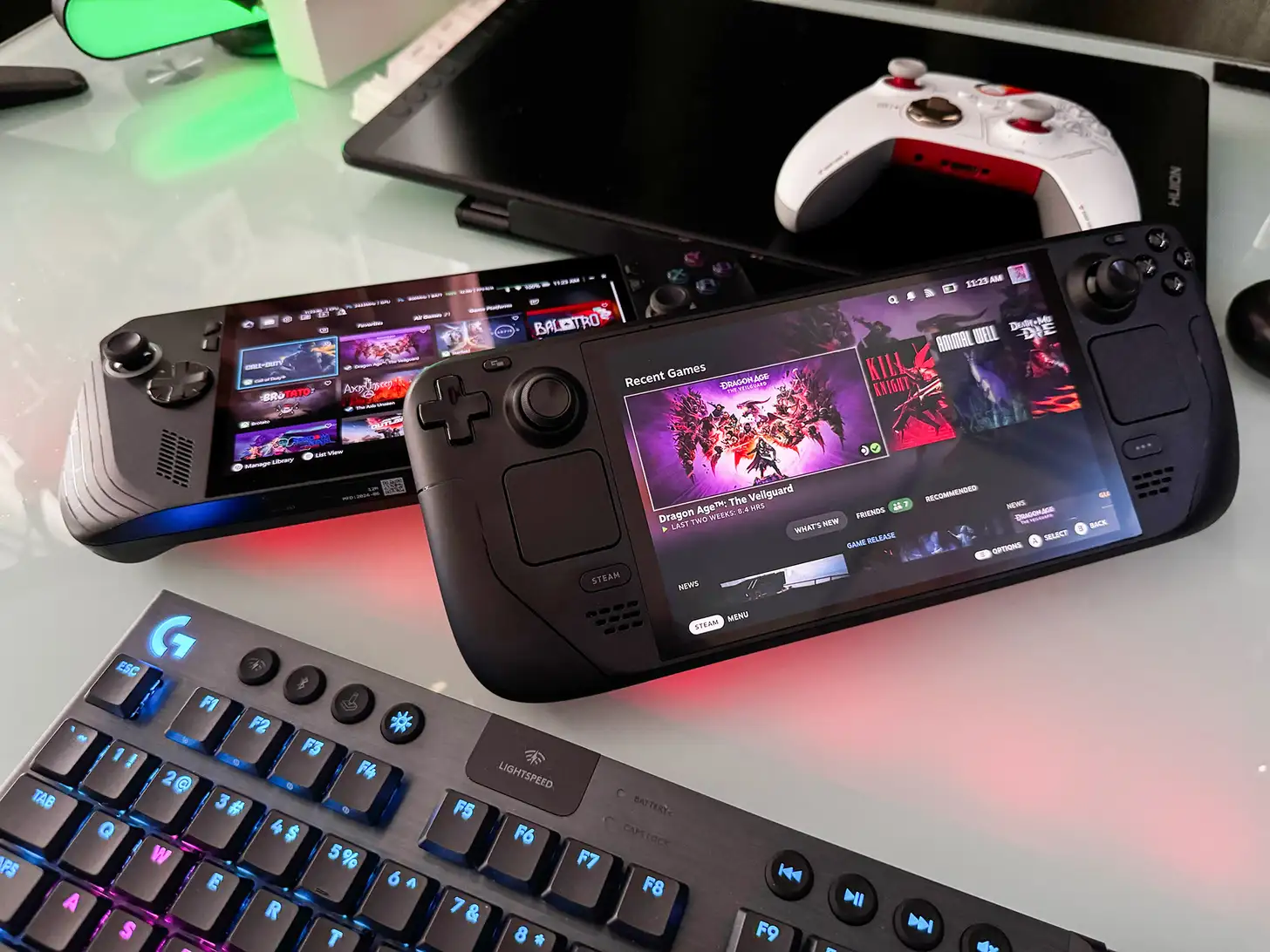
Linux compatibility is another limitation. Most Steam games work well through Proton, but some titles still have issues, especially multiplayer games with anti cheat systems. Games like Valorant are not the kind of experience most people should expect to play properly on Deck.
Even with those limits, the Steam Deck OLED remains the easiest handheld PC to recommend. More powerful options exist, but power is not everything. A handheld also needs good controls, battery life, software, sleep and resume support, and a smooth user experience.
That is where Valve still has the advantage.
The New York Times naming the Steam Deck OLED as the best handheld option is another reminder that Valve’s device has aged well. It may not top every benchmark, but it still offers the most complete handheld PC gaming experience for most people.

Discussion (0)
Be the first to comment.