



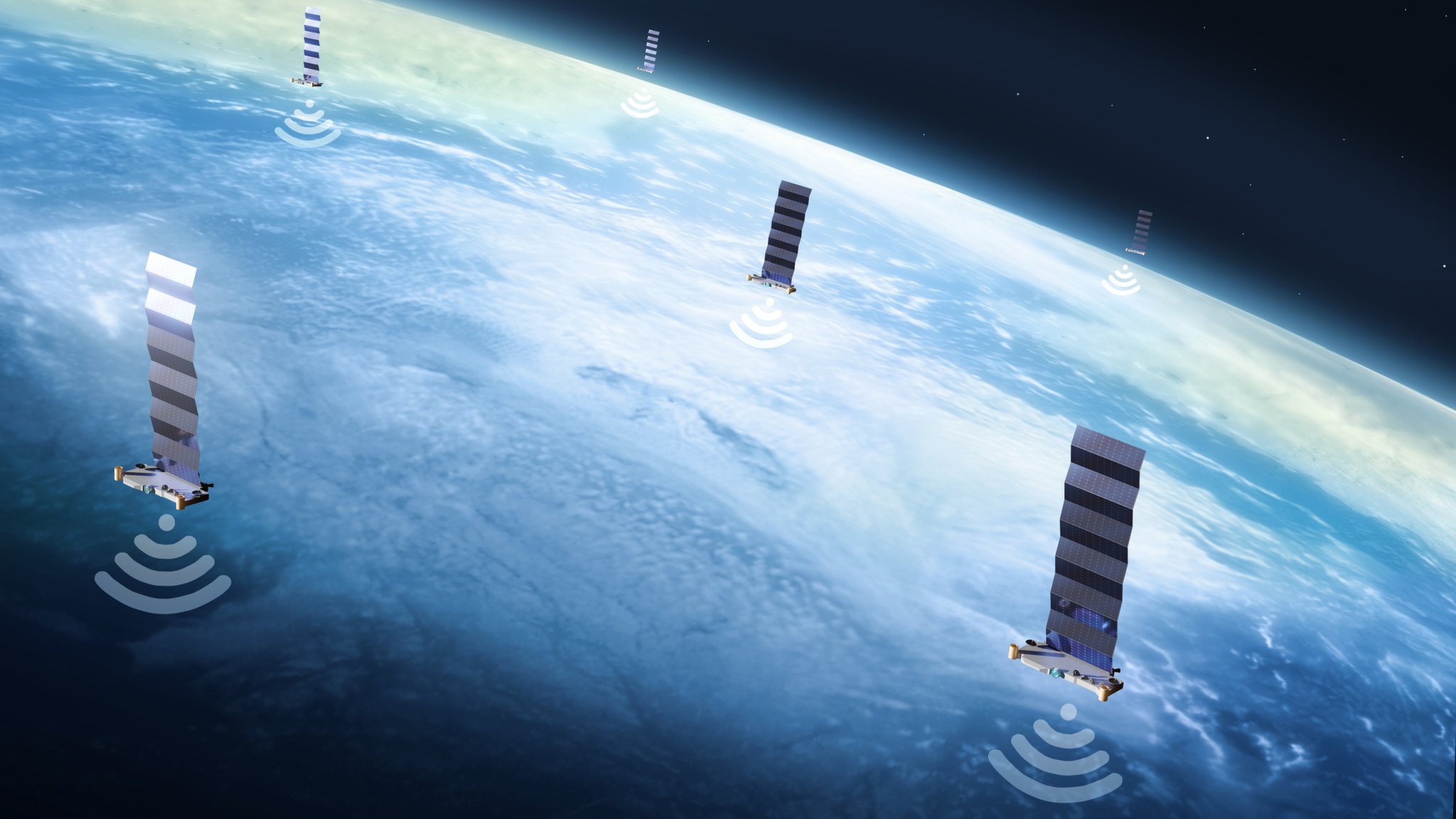
A new study is raising concerns about the environmental impact of satellite megaconstellations such as Starlink. Researchers say the growing number of rocket launches and satellite reentries is creating a large source of pollution high in the atmosphere, where emissions can have stronger and longer lasting effects.
The concern is not only the number of satellites being launched. It is also where the pollution is released. Rocket launches can put black carbon, metal oxides, and other compounds into the upper atmosphere. Pollution at that altitude can linger for years and may affect climate and ozone chemistry more strongly than similar emissions near the ground.
The study, led by researchers at University College London, says megaconstellations already made up about 35 percent of the space sector’s climate impact in 2020. That share could rise to 42 percent by 2029 as companies continue to launch larger satellite networks.
| Issue | Why it matters |
|---|---|
| Rocket soot | Black carbon can remain high in the atmosphere for years |
| Satellite reentries | Burning hardware can release aluminum oxides and other compounds |
| Ozone chemistry | Some reentry materials may interact with ozone related processes |
| Megaconstellation growth | More short lived satellites mean more launches and more reentries |
| Regulation gap | Space emissions are not yet controlled like many ground based industries |
By 2029, the space sector could release around 870 tons of soot per year, according to the study. Researchers compare that figure to the annual soot emissions from all passenger cars in the UK. The amount may sound small compared with many ground industries, but altitude changes the impact.
The issue is tied to a shift in satellite design. Older satellite systems often used fewer, longer lasting spacecraft. New internet constellations rely on thousands of smaller satellites that are replaced more often. Starlink is the largest example, but Amazon’s Leo network and Chinese systems such as Guowang and Qianfan are also part of the wider expansion.
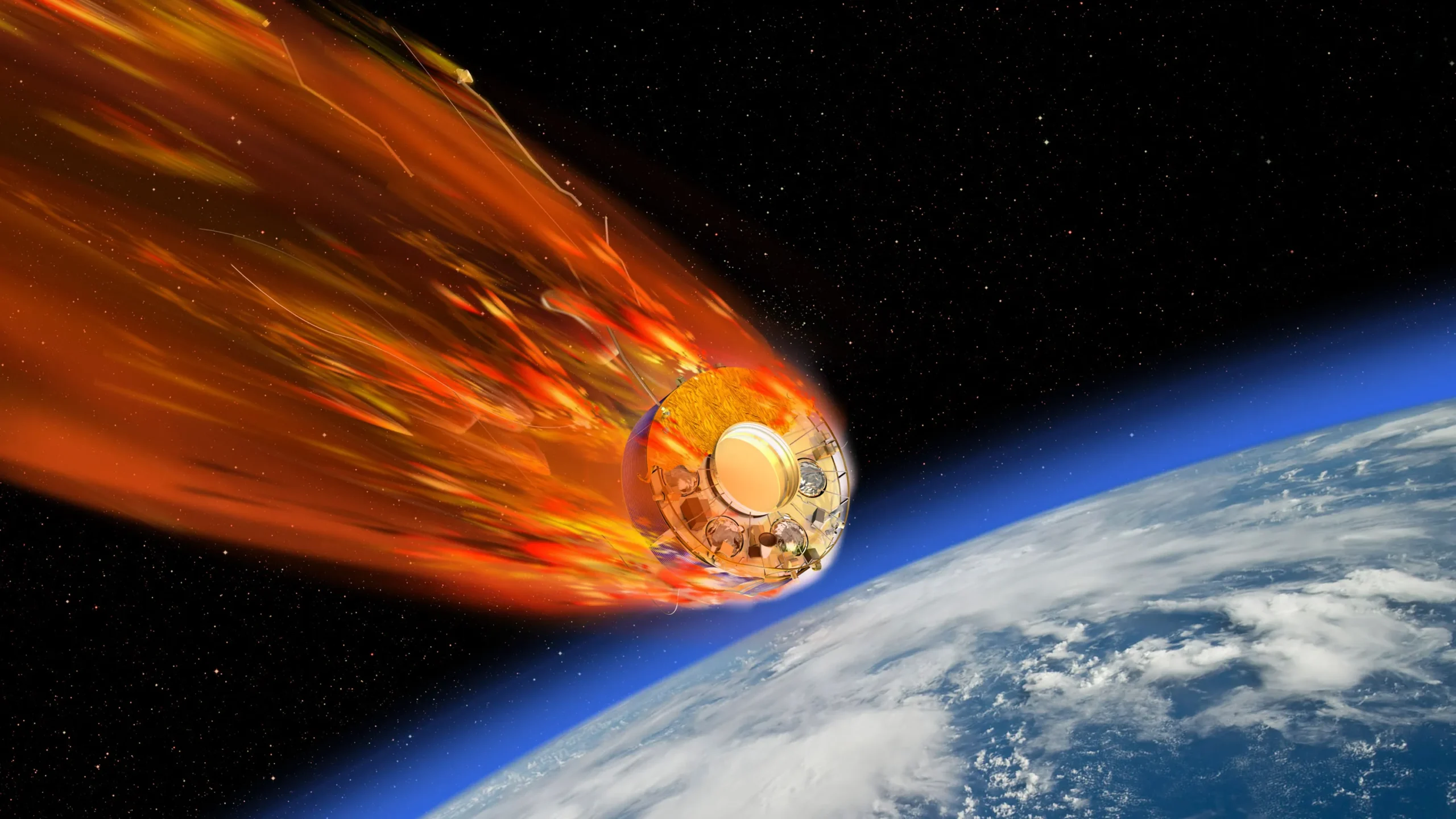
Reentry pollution adds another problem. When satellites and rocket parts burn up in the atmosphere, they can release metals and chemical compounds. Scientists are still studying the full effect, but the concern is that repeated reentries could turn into a regular waste stream above Earth.
One unusual detail is that some upper atmosphere soot may reflect or absorb sunlight in ways that create a slight cooling effect. Researchers warn that this should not be treated as a benefit. It resembles accidental geoengineering, happening without public consent, regulation, or a clear understanding of long term effects.
The study does not argue that satellite internet should stop. These networks can bring broadband access to remote areas and support communications in emergencies. But researchers say the industry needs stronger oversight before tens of thousands more satellites enter orbit.
The likely solutions include global space emission standards, cleaner rocket fuels, better satellite design, and clearer rules for reentry pollution. Without that, the rapid growth of satellite internet could become a climate experiment no one properly agreed to run.
Satellite megaconstellations are now part of the global internet race, but the atmosphere is becoming part of the cost. The next challenge is making sure space based connectivity does not create a new environmental problem above the planet.



Discussion (0)
Be the first to comment.