



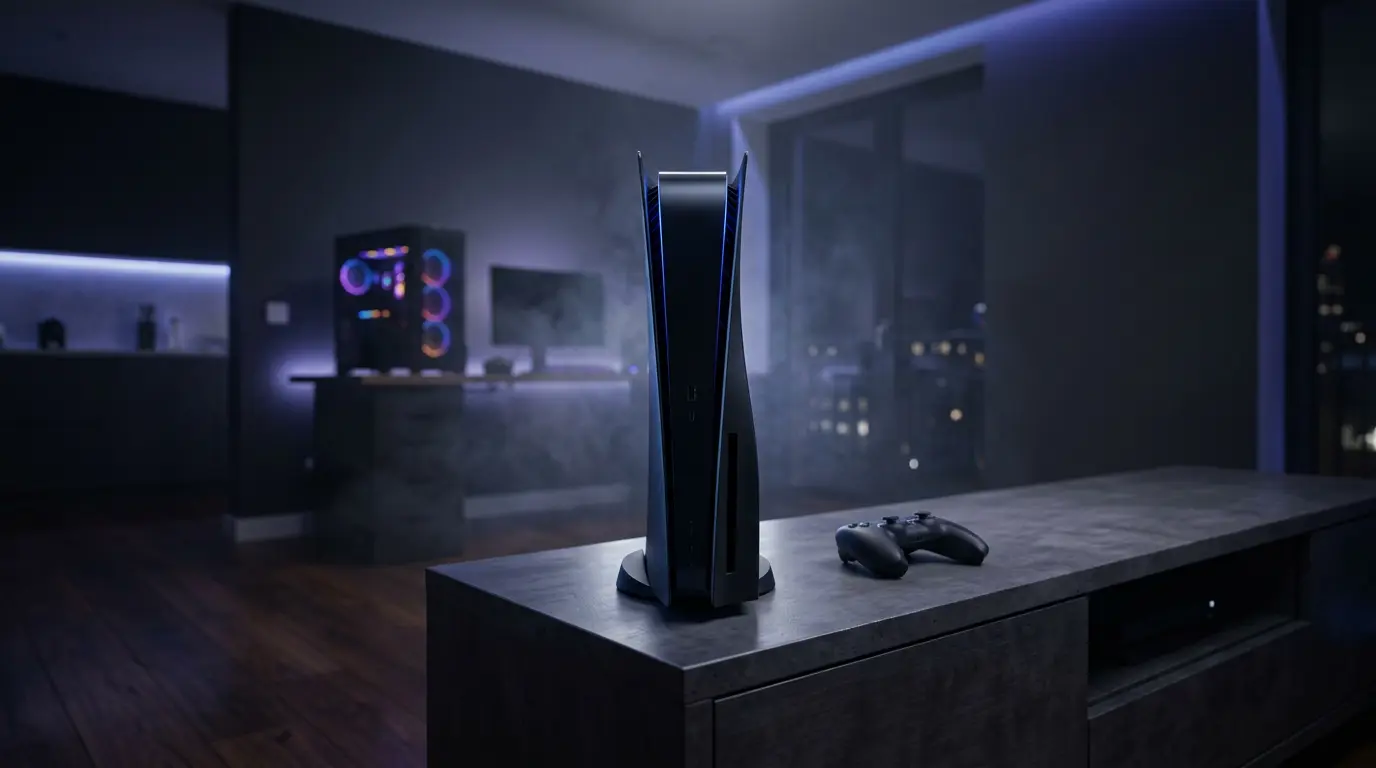
Sony is changing its PC strategy after years of bringing major PlayStation games to Windows. The company now says single player games developed in house will focus more strongly on PlayStation, while live service games will continue to launch across PS5 and PC as a standard approach.
The shift marks a major change from Sony’s 2020 to 2025 strategy, when the company released more than 20 PlayStation titles on PC. Games such as Horizon Zero Dawn, God of War, Spider Man, The Last of Us, Ghost of Tsushima, God of War Ragnarök, Stellar Blade, and The Last of Us Part II Remastered all helped Sony reach a wider audience outside its console ecosystem.
That era now appears to be slowing down. Sony still has not ruled out PC completely, but its current policy suggests that future single player PlayStation Studios games will be treated as console first exclusives again.
Sony spent years building a PlayStation PC audience
Sony’s move into PC started cautiously, then grew into a clear business strategy. Horizon Zero Dawn arrived on PC in 2020, followed by Days Gone, God of War, Spider Man, Uncharted, Returnal, The Last of Us, Ratchet and Clank, and several other titles.
The strategy made sense at the time. Sony could sell older exclusives to a new audience after their main console sales had slowed. It also gave PC players a reason to pay attention to PlayStation franchises.
| PlayStation PC strategy | What changed |
|---|---|
| 2020 to 2025 | More than 20 PlayStation games launched on PC |
| Main approach | Delayed PC ports after console releases |
| Key support studio | Nixxes Software helped with PC versions |
| Problem area | Later ports reportedly saw weaker sales |
| PSN controversy | Sony faced backlash over account requirements |
| New direction | Single player games return to stronger PlayStation focus |
| Live service games | PS5 and PC releases remain standard |
Sony even acquired Nixxes Software to improve its PC porting pipeline. That showed the company was not treating PC as a small experiment.
Why Sony may be pulling back now
The PC strategy worked well early on, but momentum appears to have slowed. Some later ports did not seem to create the same level of excitement as earlier releases.
Part of the issue may be timing. PC players often received games one year or more after their PlayStation launch. That delay made the releases feel less urgent, especially when many players had already watched streams, read spoilers, or moved on to newer games.
Sony also faced backlash over PlayStation Network account requirements on PC. The Helldivers 2 controversy made it clear that PC players do not always accept console style account rules, especially when a game had already been sold without that requirement in some regions.
Sony says live service games are different
PlayStation CEO Hideaki Nishino said platform decisions will depend on each game’s characteristics. For live service games, Sony still sees PS5 and PC launches as the standard because online multiplayer games need broad communities.
That makes sense. A multiplayer game benefits from larger player pools, faster matchmaking, and more social reach. Releasing only on PlayStation could limit growth for games built around long term engagement.
Single player games are different. Sony appears to believe that those titles can better strengthen the PlayStation console experience when they remain exclusive.
Single player exclusives are once again central to PlayStation
Sony’s new policy suggests that in house single player games will be used to reinforce the value of the PlayStation platform. That means future titles like Ghost of Yōtei and Saros may not follow the old delayed PC release pattern.
This is a return to the classic PlayStation model. Sony built much of its brand on single player exclusives that gave players a clear reason to buy its console. The company now seems ready to protect that model more aggressively again.
The timing is interesting because some recent PlayStation exclusives have reportedly not matched the sales pace of older entries. That raises a fair question: if console sales are slowing for some exclusives, why not expand to PC for extra revenue?
Sony’s answer appears to be that the long term value of exclusivity may matter more than short term PC sales for certain titles.
The wording in Sony’s strategy has changed
Sony’s annual strategic summary also reflects the shift. Last year, the company said it would continue deploying first party titles to multiple platforms such as PC. That wording has now been removed.
Instead, Sony is placing more emphasis on using AI tools to improve productivity and help studios build richer worlds and gameplay experiences. That does not directly replace the PC strategy, but it shows a different focus in Sony’s public messaging.
The company is now talking less about broad platform expansion for single player games and more about improving development inside PlayStation Studios.
PC players may feel burned by the reversal
The change could frustrate PC players who spent years being encouraged to buy into PlayStation franchises on Windows. Many PC players now own parts of series such as Horizon, God of War, Spider Man, and The Last of Us.
If future entries do not come to PC, or only arrive after very long delays, Sony risks weakening trust with that audience. Players may become less willing to buy late ports if they believe the series will remain incomplete on PC.
That is one of the risks of changing strategy after building expectations. Once a company opens the door to PC, closing it again is not simple.
Sony is choosing platform value over PC momentum
Sony’s decision shows that PlayStation still sees exclusives as a core part of its business. PC ports helped generate extra sales and expanded the audience, but they may also have made PlayStation consoles feel less essential over time.
The new strategy tries to separate the two sides of the business. Live service games can chase wider reach on PS5 and PC. Single player games can remain tied more closely to the PlayStation identity.
That may help Sony protect its console ecosystem, but it also leaves PC players with uncertainty. After years of steady ports, the message is now less clear: some PlayStation games will still come to PC, but the single player blockbusters that built the brand may no longer be part of that promise.



Discussion (0)
Be the first to comment.