



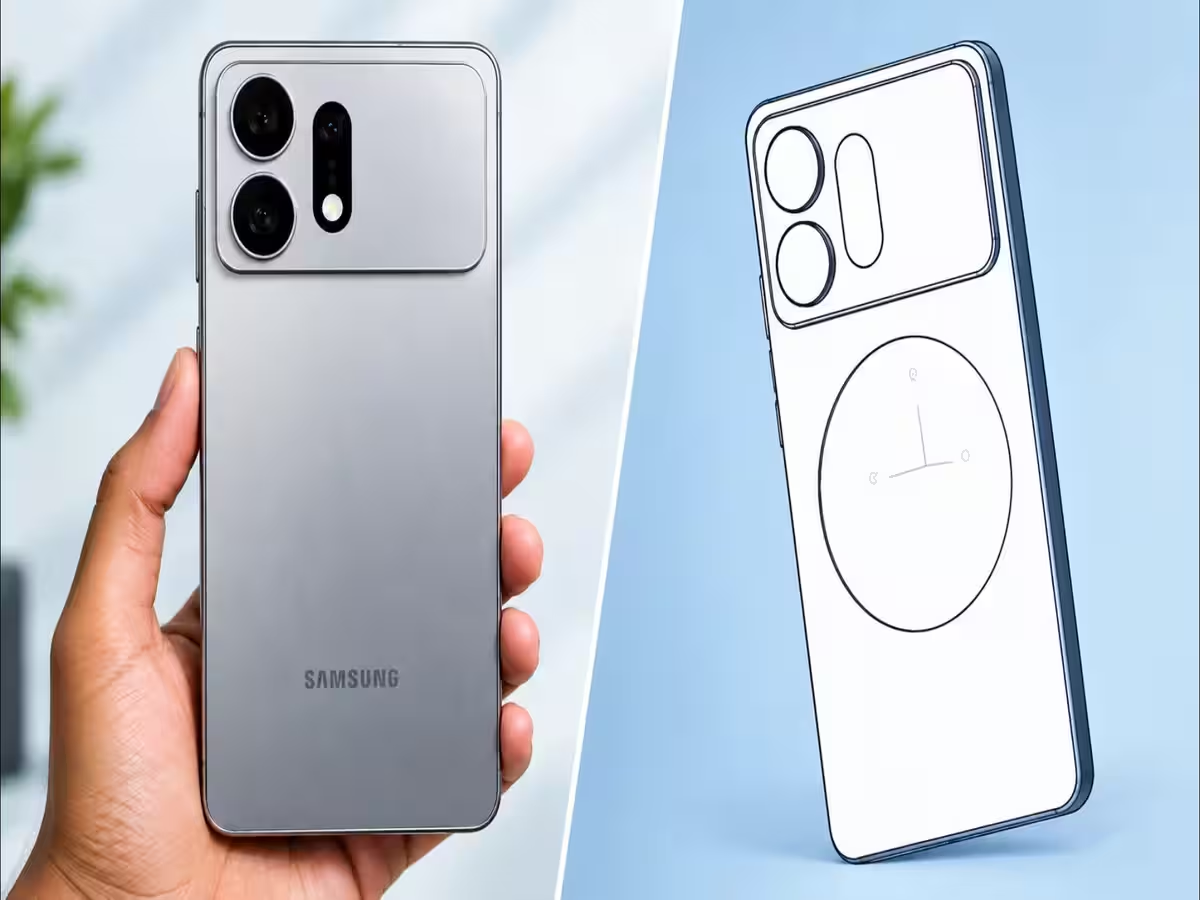
Samsung may give its upcoming Galaxy S27 Pro and Galaxy S27 Ultra a major display upgrade with a new M16 OLED panel.
According to a report from South Korea, Samsung Electronics and Samsung Display have finalized plans to use the newer M16 OLED material set in the two premium Galaxy S27 models.
The change would move those phones beyond the older M13 generation used across several previous Galaxy devices. The standard Galaxy S27 and Galaxy S27 Plus are instead expected to receive M14 panels.
| Model | Expected OLED panel |
|---|---|
| Galaxy S27 | M14 |
| Galaxy S27 Plus | M14 |
| Galaxy S27 Pro | M16 |
| Galaxy S27 Ultra | M16 |
M16 OLED could improve brightness and efficiency
The main benefit of Samsung's M16 OLED technology is expected to come from improvements to the organic materials used in the display.
Those changes could increase peak brightness while reducing overall power consumption.
Color reproduction and panel longevity are also expected to improve.
For a smartphone, better display efficiency can have a direct effect on battery life because the screen is one of the largest power consumers during normal use.
If the reports are accurate, Samsung appears to be reserving the newest panel technology for its more expensive models rather than bringing it to the entire Galaxy S27 family.
COE technology could make the panel thinner
The Galaxy S27 Pro and Ultra are also expected to use Color Filter on Encapsulation technology.
This design replaces the traditional polarizing film with a color filter applied directly to the display's encapsulation layer.
Removing the separate polarizer can improve light transmission.
That means the panel may be able to produce the same visible brightness using less power, or reach higher brightness without increasing energy use as much.
It can also help reduce display thickness.
These advantages are especially useful in premium phones, where manufacturers are trying to balance high brightness, thin designs and battery efficiency.
Privacy Display may remain a premium feature
The higher end S27 models are also expected to support Samsung's Privacy Display technology.
The feature is designed to restrict viewing angles so people beside you have more difficulty reading sensitive information on the screen.
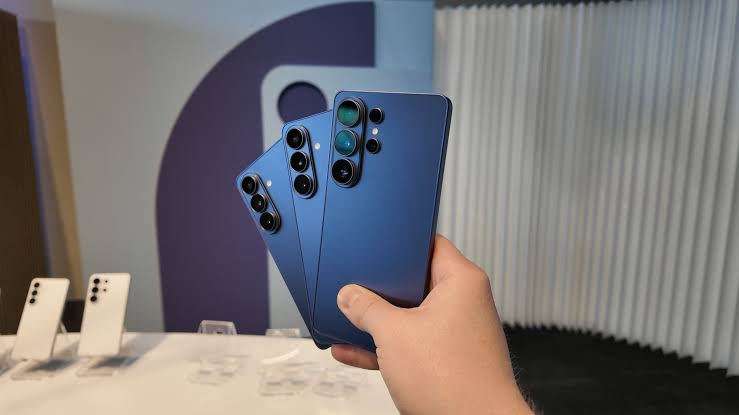
That could be useful when viewing messages, banking information or other private content in public places.
Samsung appears to be using display technology as one of the main ways to separate the Pro and Ultra models from the standard devices.
Samsung has already supplied M16 technology to rivals
One unusual part of the report is that Samsung has apparently already supplied M16 OLED technology to competing smartphone makers.
The panel components have reportedly been used for Apple's iPhone 18 Pro and Google's Pixel 11 series.
If accurate, Samsung's own smartphones would be adopting the newer display generation after some competing devices already received it.
That reflects Samsung Display's role as a component supplier to much of the smartphone industry, including companies that directly compete with Samsung Electronics.
Galaxy S27 Pro could create a new premium tier
The Galaxy S27 lineup is expected to introduce a new Pro model.
The S27 Pro is described as a slightly smaller premium device positioned below the Ultra.
It is also expected to arrive without an S Pen.
That could give buyers access to premium features such as the M16 OLED panel without requiring them to choose Samsung's largest flagship.
Reported screen sizes across the range could start at around 6.3 inches for the smallest model and reach about 6.9 inches on the Galaxy S27 Ultra.
M16 could reach Samsung foldables later
Samsung may eventually bring the same M16 OLED technology to its foldable phones.
The report suggests possible adoption in late 2027 for models including the Galaxy Z Fold 9, Galaxy Z Flip 9 and Galaxy Z Fold 9 Ultra.
That would allow Samsung to use the technology first as a differentiator for the Galaxy S27 Pro and Ultra before expanding it to other premium devices.
The Galaxy S27 family is currently expected to launch during the first quarter of 2027.
Until Samsung officially announces the phones, the panel choices and model lineup remain unconfirmed. However, the reported move to M16 OLED suggests display efficiency and image quality could become two of the biggest upgrades for Samsung's next premium Galaxy generation.


Discussion (0)
Be the first to comment.