




Sai Yamanaka often feels misunderstood compared to louder, more emotional characters. His quiet presence, blunt honesty, and strange humor hide one of the most deliberate character arcs in the Naruto series. These canon facts explain who Sai really is, why he acts the way he does, and why his journey matters long after the war ends.
Table of contents
- Sai’s origins and Root conditioning
- Sai’s role as Sasuke’s replacement on Team 7
- Sai’s unique art-based jutsu
- Sai’s emotional growth across Naruto Shippuden
- Sai’s relationship with Ino Yamanaka
- Sai’s role in the Fourth Great Ninja War
- Sai’s leadership role after the war
- Common misconceptions about Sai
- Quick facts every fan forgets
- Why Sai matters to Naruto’s core themes
- FAQs about Sai Yamanaka
- Summary
Sai’s origins and Root conditioning
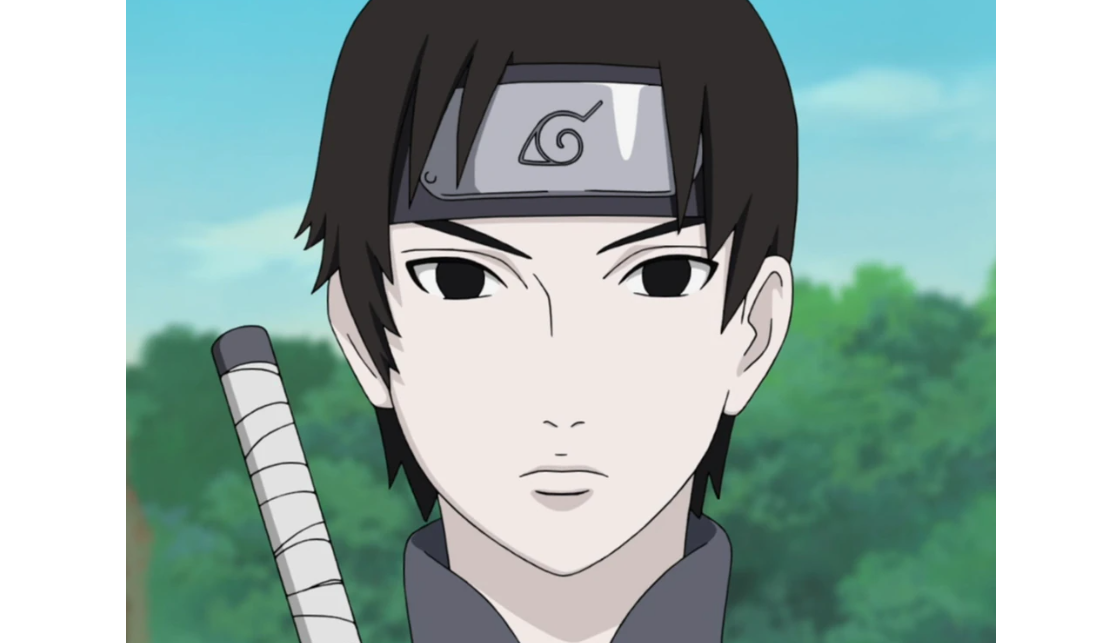
Sai grew up inside Root, the covert Anbu division led by Danzo Shimura. Root stripped children of emotion, identity, and personal choice to create obedient operatives.
His real name and identity erasure
Root removed Sai’s birth name and replaced it with a codename. This process erased individuality and trained him to exist only as a tool.
Why Sai struggles with emotions
Root punished emotional expression and discouraged attachments. Sai’s awkward social behavior comes from conditioning, not lack of intelligence or empathy.
Sai’s role as Sasuke’s replacement on Team 7
When Sasuke left the village, the Hidden Leaf needed a replacement who could function without emotional attachment. Sai filled that role for strategic reasons, not chemistry.
Why Naruto distrusted Sai at first
Sai reported directly to Danzo and openly mocked Sasuke and Naruto. His loyalty to Root conflicted with Naruto’s belief in trust and bonds.
How Sai earned Team 7’s trust
Shared missions and real danger forced Sai to rely on teamwork. Over time, consistent actions replaced suspicion with acceptance.
Sai’s unique art-based jutsu
Sai’s fighting style differs sharply from traditional ninjutsu. His techniques focus on mobility, restraint, and information control.
Super Beast Scroll explained
Sai brings ink drawings to life, creating birds, beasts, and tools. These constructs excel at scouting, transport, and battlefield disruption.
Why Sai relies on sealing techniques
Root trained Sai to capture targets alive. Sealing jutsu align with his mission-first mindset and reduce unnecessary casualties.
Sai’s emotional growth across Naruto Shippuden
Sai does not remain static throughout the series. His emotional development unfolds gradually and intentionally.
Learning friendship from Naruto
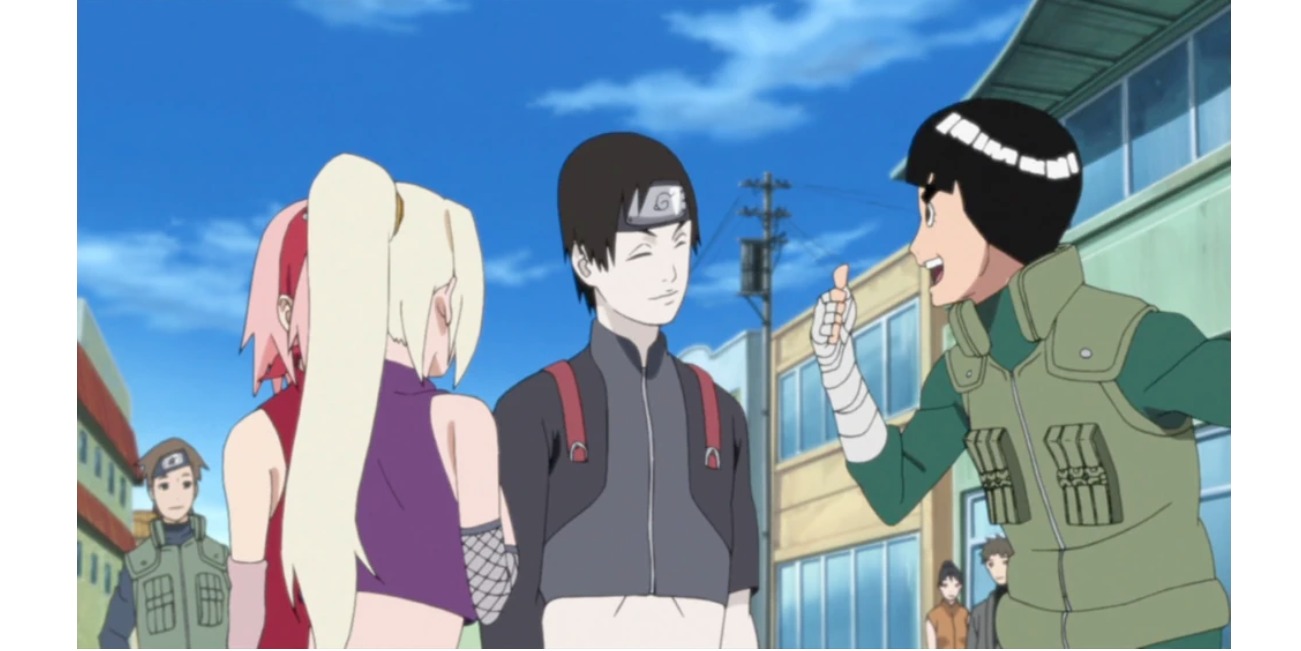
Naruto models honest emotion and loyalty without conditions. Sai studies this behavior and slowly applies it himself.
The significance of Sai’s smiles
Sai practices smiling as a learned behavior. These forced expressions mark early growth, not insincerity.
Sai’s relationship with Ino Yamanaka
Sai’s bond with Ino represents one of the series’ quietest but most meaningful relationships.
Why Ino connects with Sai
Ino approaches Sai with patience rather than judgment. Her emotional awareness complements Sai’s analytical nature.
Sai as a husband and father in Boruto
As an adult, Sai forms a stable family and raises a son. This outcome proves his complete escape from Root’s emotional suppression.
Sai’s role in the Fourth Great Ninja War
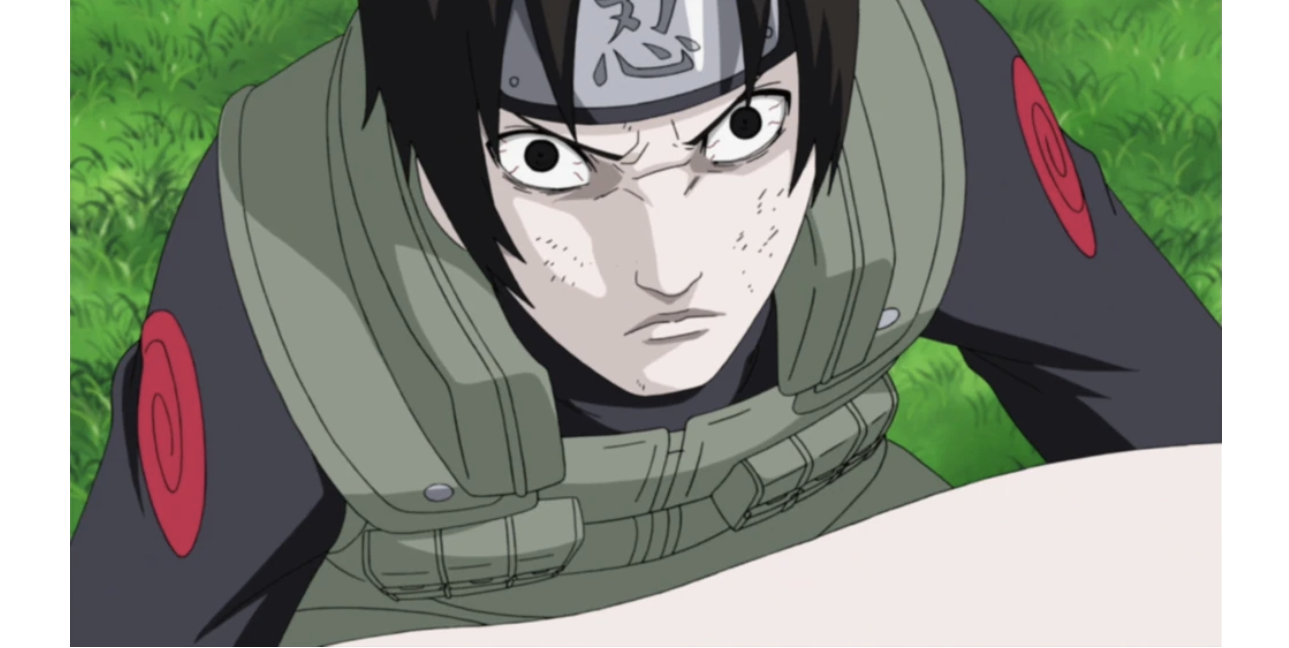
Sai contributes through intelligence, coordination, and battlefield control rather than raw power.
Battlefield support and sealing missions
Sai handles reconnaissance and enemy restraint. His skills keep stronger fighters mobile and informed.
Sai’s leadership role after the war
Sai’s post-war responsibilities show how much trust the village places in him.
Head of the Anbu Black Ops
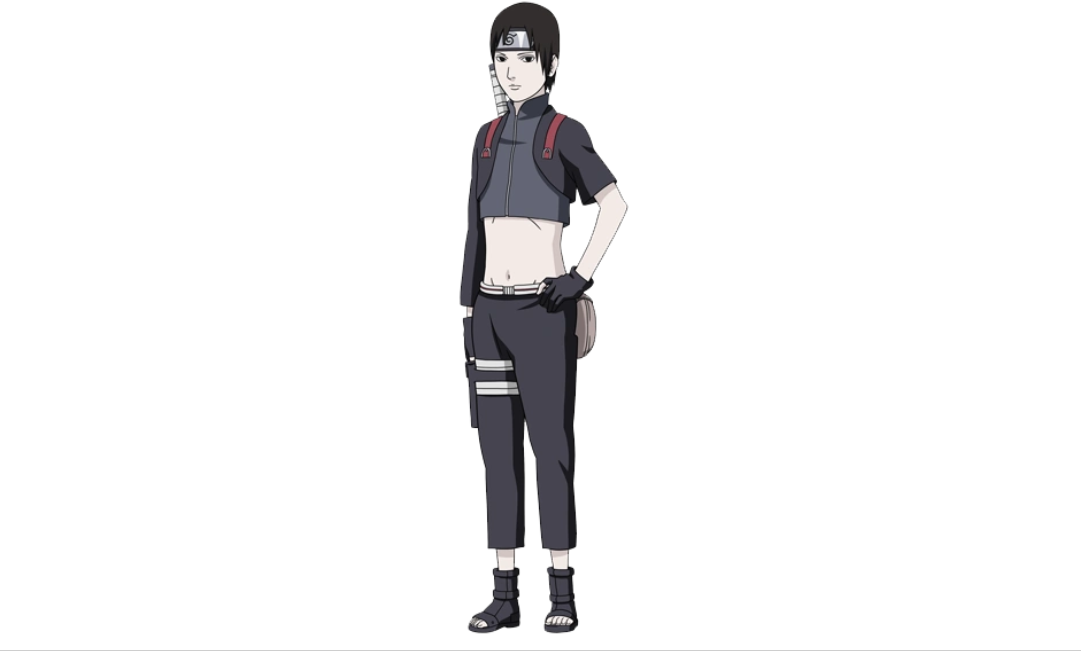
Sai becomes the leader of the Anbu. This role symbolizes his transition from a manipulated asset to a respected authority.
Common misconceptions about Sai
Several persistent myths misrepresent Sai’s character and abilities.
“Sai is emotionless”
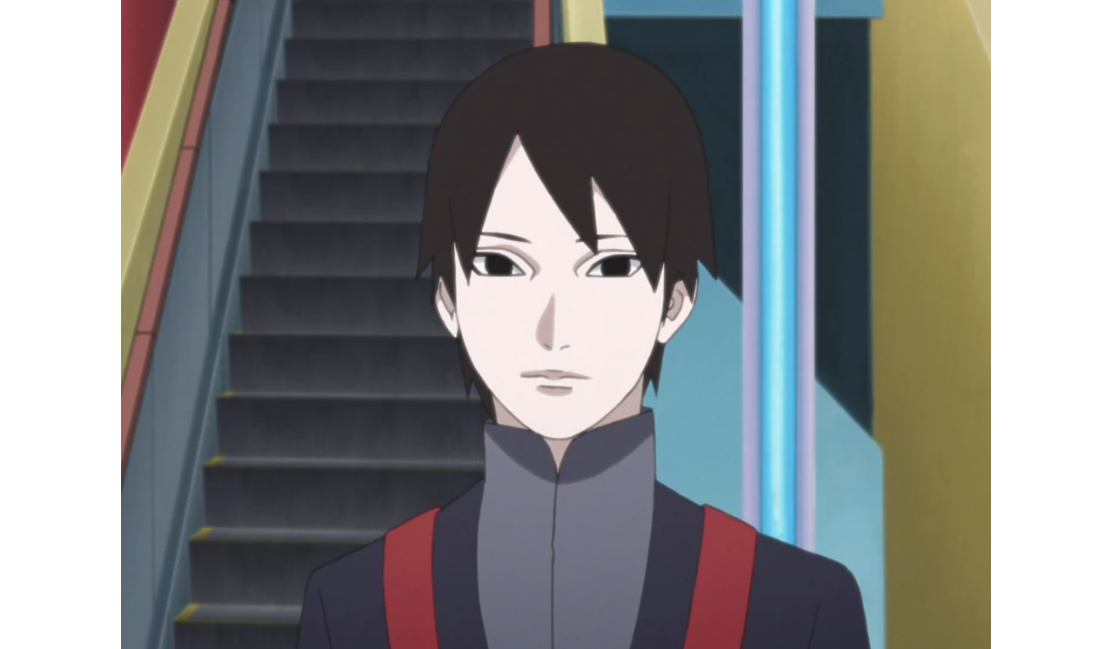
Sai experiences emotions but lacks early understanding of how to express them. Growth replaces suppression over time.
“Sai is weak compared to other ninja”
Sai prioritizes efficiency and control. His value lies in versatility, not flashy combat.
Quick facts every fan forgets
Some details rarely appear in surface-level character lists.
Sai fact checklist
- Sai never chose his original codename
- His art obsession started as emotional therapy
- He prefers missions with clear objectives
- His loyalty shifts from Root to the village itself
Why Sai matters to Naruto’s core themes
Sai embodies the idea that identity can rebuild after trauma. His story reinforces Naruto’s central message about chosen bonds and personal healing.
FAQs about Sai Yamanaka
Does Sai ever regain full emotional range?
Sai learns emotional awareness and expression, though he remains reserved by nature.
Why did Danzo trust Sai so completely?
Sai’s conditioning removed personal ambition, making him predictable and obedient.
Is Sai stronger in Boruto than in Shippuden?
Sai gains authority and control rather than raw combat upgrades.
Summary
- Sai grew up under Root conditioning that erased identity and emotion.
- His placement on Team 7 served strategic, not emotional, goals.
- Art-based jutsu and sealing techniques define his combat style.
- Relationships with Naruto and Ino drive his emotional growth.
Sai’s journey stands as one of Naruto’s most subtle transformations. He proves that even those raised without choice can learn connection, purpose, and leadership when given trust and time.


Discussion (0)
Be the first to comment.