



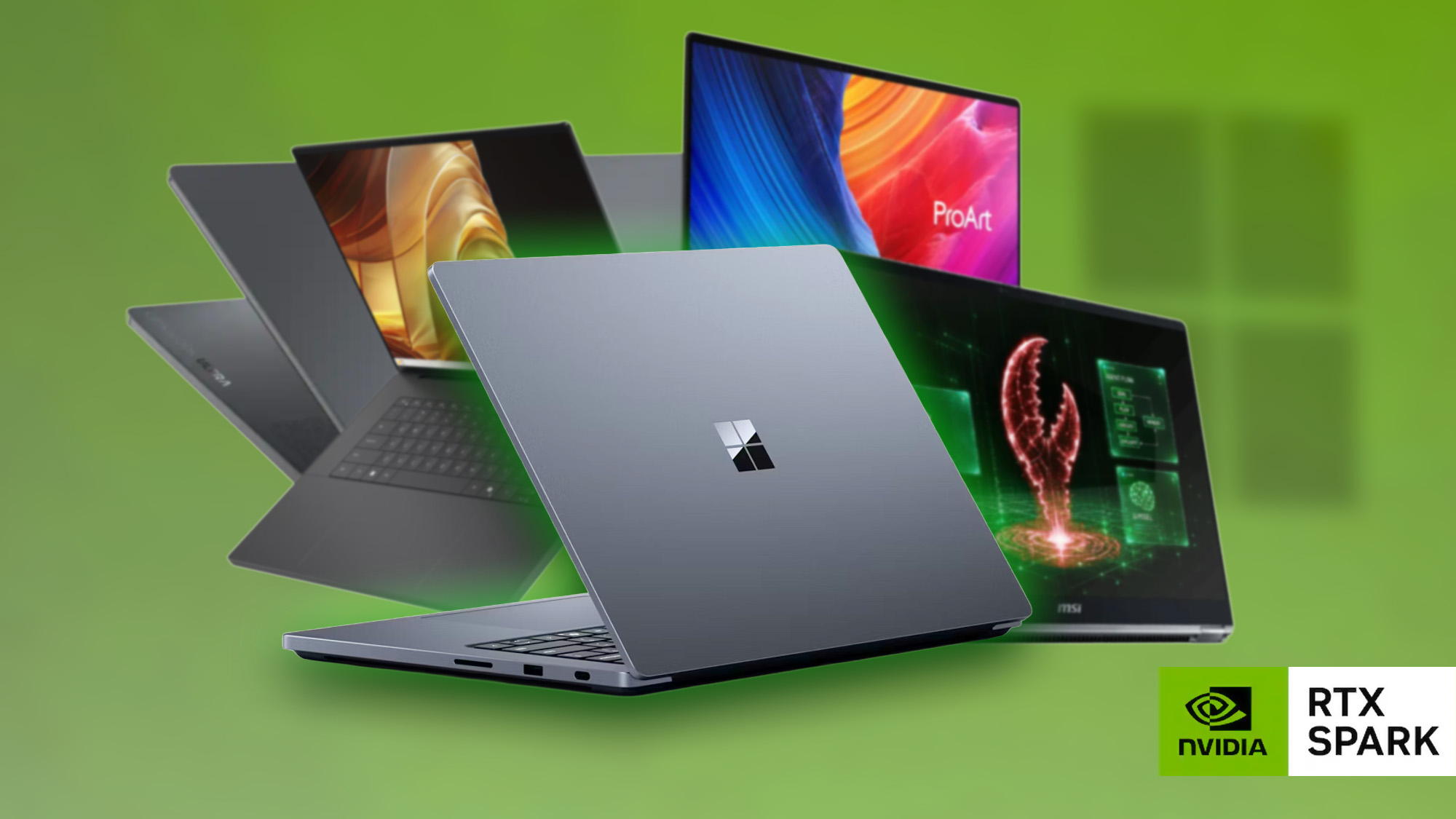
NVIDIA's RTX Spark platform is now appearing in retail laptops, with new Microsoft and Lenovo models targeting developers, content creators and people who regularly run local AI workloads.
The first systems listed through Antonline include the Surface Laptop Ultra and two Lenovo Pro 9n configurations. Prices start at $2,999.99 and rise to $4,499.99 depending on the processor configuration, memory, storage and display.
Some models are available for preorder while others are still waiting for stock, so availability may vary.
RTX Spark Laptop Prices Start at $2,999
The least expensive option in the current group is a Lenovo Pro 9n with an 18 core RTX Spark N1X chip.
It includes 32GB of memory, 1TB of storage and a 15.3 inch WQXGA OLED touchscreen.
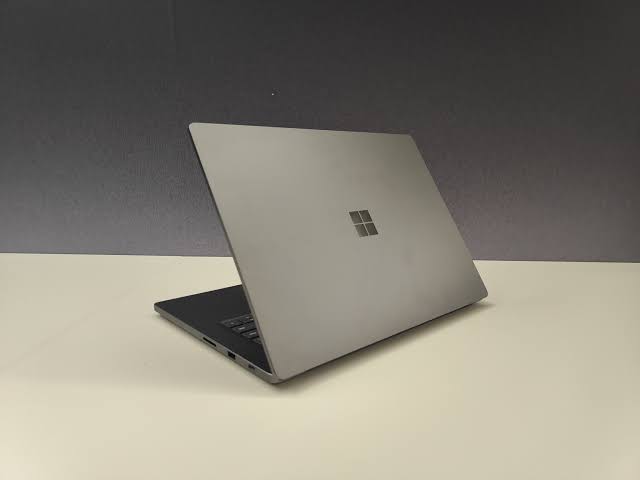
Microsoft's Surface Laptop Ultra costs $3,299.99 and also uses the 18 core version of RTX Spark.
| Laptop | RTX Spark configuration | Memory | Storage | Price |
|---|---|---|---|---|
| Lenovo Pro 9n OLED | 18 core N1X, 5,120 core GPU | 32GB | 1TB | $2,999.99 |
| Surface Laptop Ultra 15 | 18 core N1X, 5,120 core GPU | 32GB | 1TB | $3,299.99 |
| Lenovo Pro 9n | 20 core N1X, 6,144 core GPU | 64GB | 2TB | $4,499.99 |
The most expensive configuration is the Lenovo Pro 9n with the 20 core N1X and 6,144 core Blackwell GPU.
That model increases memory to 64GB and storage to 2TB.
RTX Spark Combines CPU, GPU and Unified Memory
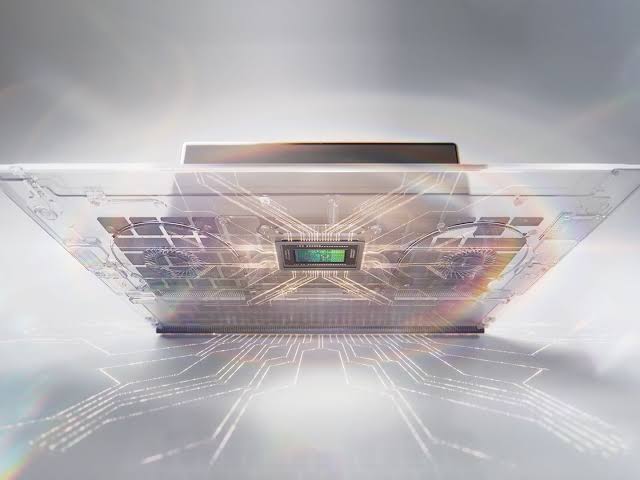
RTX Spark is an Arm based platform designed to combine conventional PC workloads, RTX graphics and local AI acceleration inside a single system.
The higher end configuration supports up to 20 CPU cores and a Blackwell generation GPU with as many as 6,144 cores.
The platform can also support up to 128GB of unified memory shared between the CPU and GPU.
That shared memory design is particularly useful for local AI workloads because large models can access a much bigger memory pool than they would on many conventional laptops with dedicated graphics memory.
NVIDIA also positions RTX Spark as capable of up to 1,000 TOPS of AI performance.
GPU Performance Is One of RTX Spark's Strongest Areas
Early testing has shown that RTX Spark's GPU is substantially more impressive than its CPU.
The Blackwell GPU can deliver performance in the general range of RTX 4070 to RTX 5070 class mobile graphics depending on the workload and power configuration.
That makes it capable of more than AI processing.
Gaming, video editing, 3D rendering and other GPU accelerated tasks are all realistic use cases.
However, the platform is most notable when handling local AI models, particularly quantized workloads that can take advantage of the large unified memory pool.
Local AI Is the Main Target
RTX Spark is designed primarily for people who spend significant time running AI workloads directly on their own hardware.
That includes software developers, researchers, content creators and people working with large local language models, data analysis or source code management.
Running models locally can also keep sensitive information on the device rather than sending it to a cloud service.
For many conventional laptop buyers, however, the pricing makes RTX Spark a more difficult recommendation.
Traditional Intel or AMD laptops paired with dedicated NVIDIA GPUs can often deliver strong gaming and content creation performance for less money.
RTX Spark becomes more compelling when the large unified memory pool and local AI acceleration are central to the workload.
These Are Premium Systems, Not Mainstream Laptops
The current prices make it clear that the first RTX Spark laptops are aimed at professional and enthusiast buyers.
Even the cheapest listed configuration starts just under $3,000.
The $4,499.99 Lenovo Pro 9n moves well into mobile workstation pricing, although its 20 core processor, 6,144 core GPU, 64GB of memory and 2TB SSD provide substantially more headroom than the entry models.
For buyers mainly interested in gaming, less expensive systems with discrete RTX graphics may offer better value.
For developers and professionals who want powerful local AI processing in a relatively thin laptop, RTX Spark's combination of Blackwell graphics and unified memory gives these systems a more specialized advantage.
Discussion (0)
Be the first to comment.