



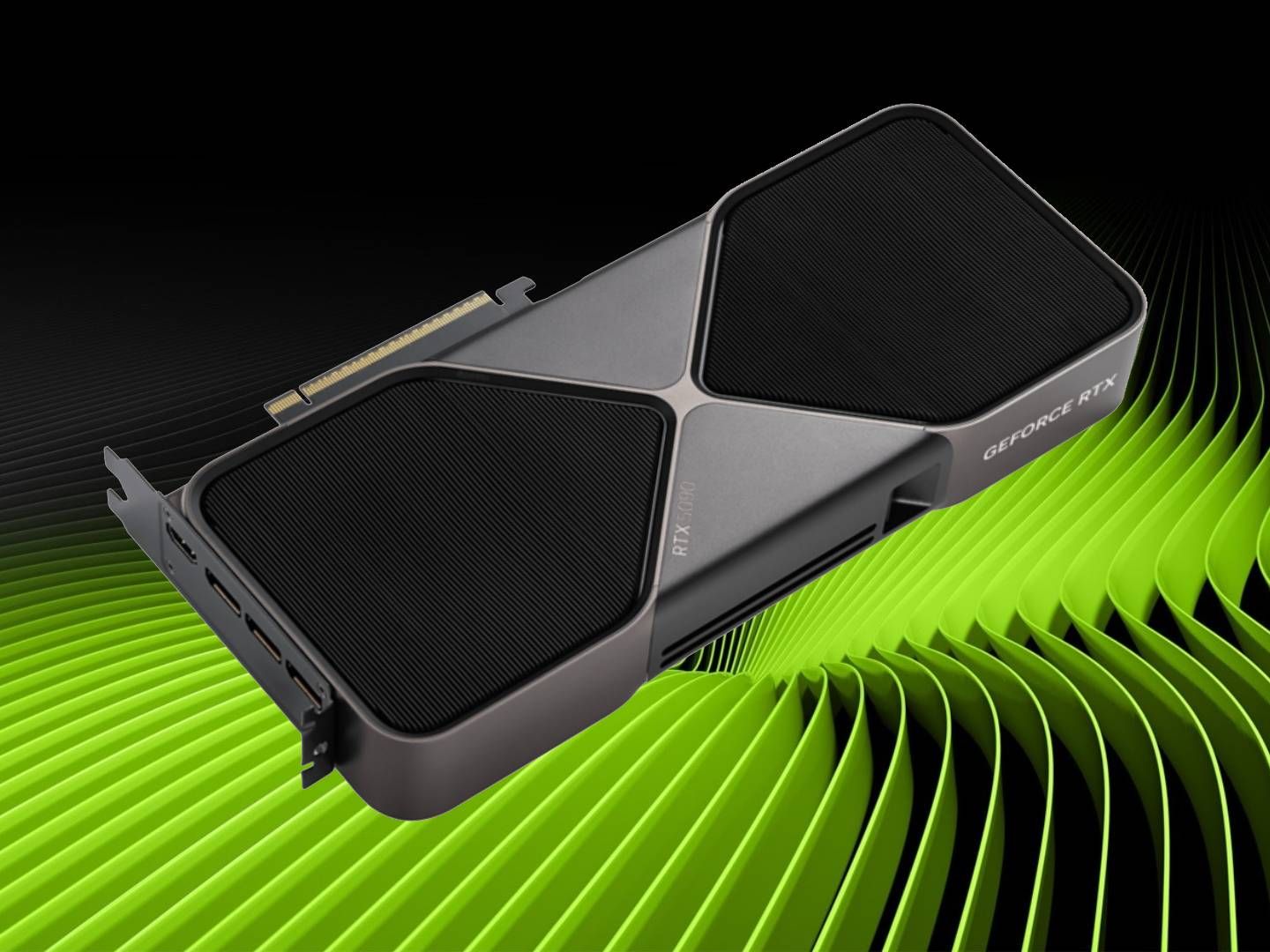
NVIDIA’s GeForce RTX 5090 may be heading for another price increase, and the reason appears to be the ongoing VRAM shortage.
According to a new report, NVIDIA is expected to raise costs for board partners by around $300 on the RTX 5090 and the RTX 5090 D V2, the China focused version of the card. The reported increase is tied to higher GDDR7 memory procurement costs, which are being passed down to AIC partners.
That does not mean NVIDIA has officially changed the retail price. But if board partners are paying more for the GPU and memory supply, retail prices are likely to climb too.
The RTX 5090 already launched at a very high $1,999 MSRP. In normal conditions, that would already make it one of the most expensive consumer graphics cards ever. But real world pricing has been much worse. The card has often sold closer to $3,000 or $4,000 because of limited supply, demand, and broader memory market pressure.
Now, the report suggests prices could move even higher.
| GPU | Reported issue |
|---|---|
| RTX 5090 | Possible $300 cost increase for board partners |
| RTX 5090 D V2 | Possible $300 cost increase |
| Main cause | Higher VRAM sourcing costs |
| Expected retail impact | Prices may rise above $4,000 |
| Possible future range | $4,500 to $5,000 if pressure continues |
The most worrying part is that RTX 5090 models are already selling around $4,000 in some markets. If the new cost increase is added on top, prices could move toward $4,500 or even $5,000.
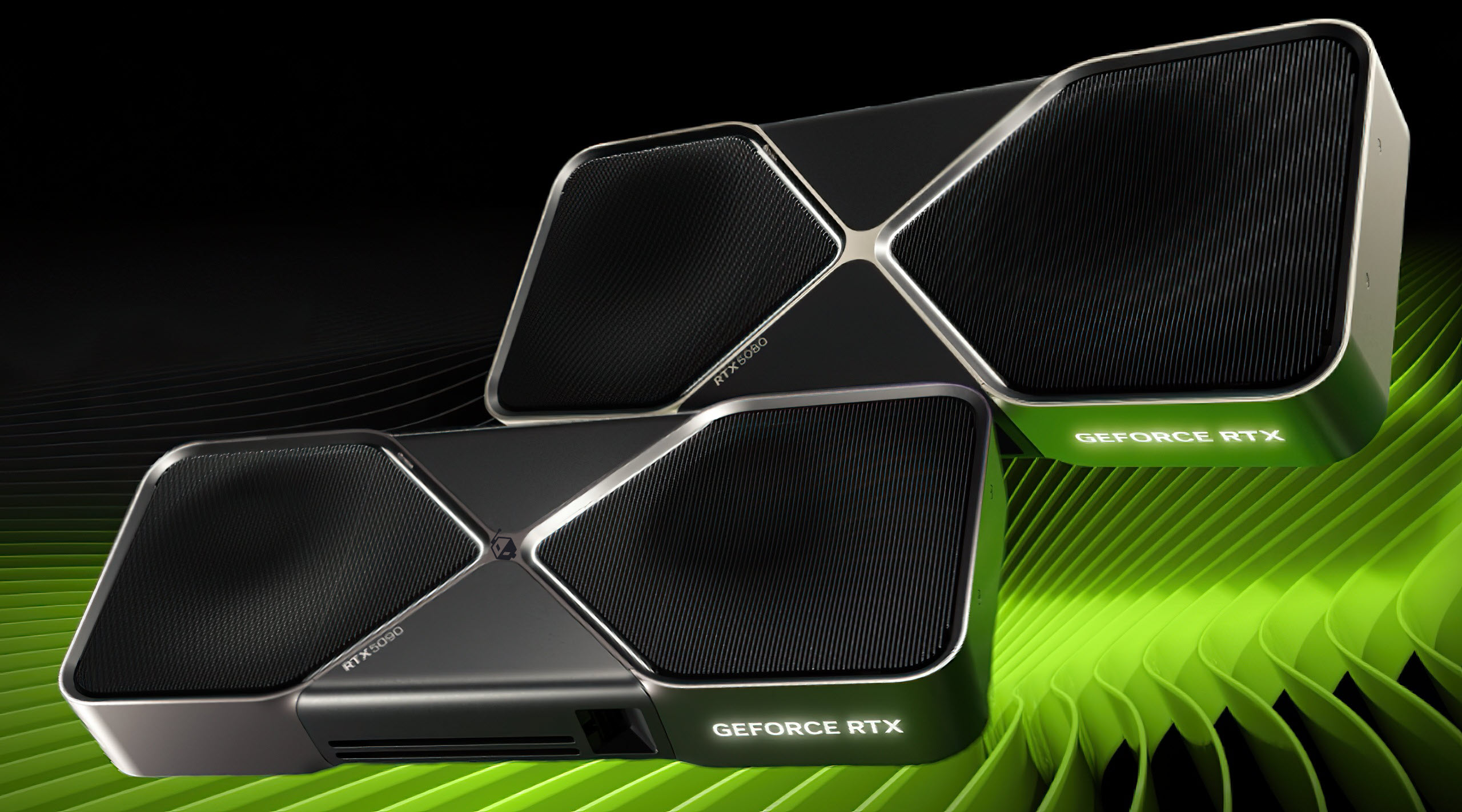
That would be a massive jump from the original MSRP and would make the RTX 5090 even harder to justify for most buyers.
The issue may not stop with the flagship card either. If GDDR7 memory costs continue rising, other RTX 50 series cards could also face pressure. The report focuses on the RTX 5090 and RTX 5090 D V2, but memory shortages rarely affect only one product tier.
This is part of the wider “RAMpocalypse” problem hitting PC hardware. AI demand has pushed memory production and pricing into a difficult place. GPUs, SSDs, RAM kits, and other memory dependent products have all been affected in different ways.
For gamers and creators, the RTX 5090 situation is especially frustrating because the card already sits at the top end of the market. At $1,999, it was expensive but understandable for a flagship product. At $4,000 or more, the performance per dollar becomes much harder to defend.
The card is still powerful, but value matters. Paying double the launch price for any GPU makes less sense unless someone needs it for professional work, AI workloads, heavy rendering, or has no budget limit.
For regular gaming, the RTX 5090 is becoming less realistic by the week.
The report has not been officially confirmed by NVIDIA, so the exact retail impact may vary by region and model. But if board partner costs really are rising again, buyers should expect fewer good deals and more expensive custom cards.
The RTX 5090 was already difficult to buy at a fair price. If this new memory cost hike hits the market, NVIDIA’s flagship GPU could soon move from expensive to nearly unreachable for most PC builders.

Discussion (0)
Be the first to comment.