



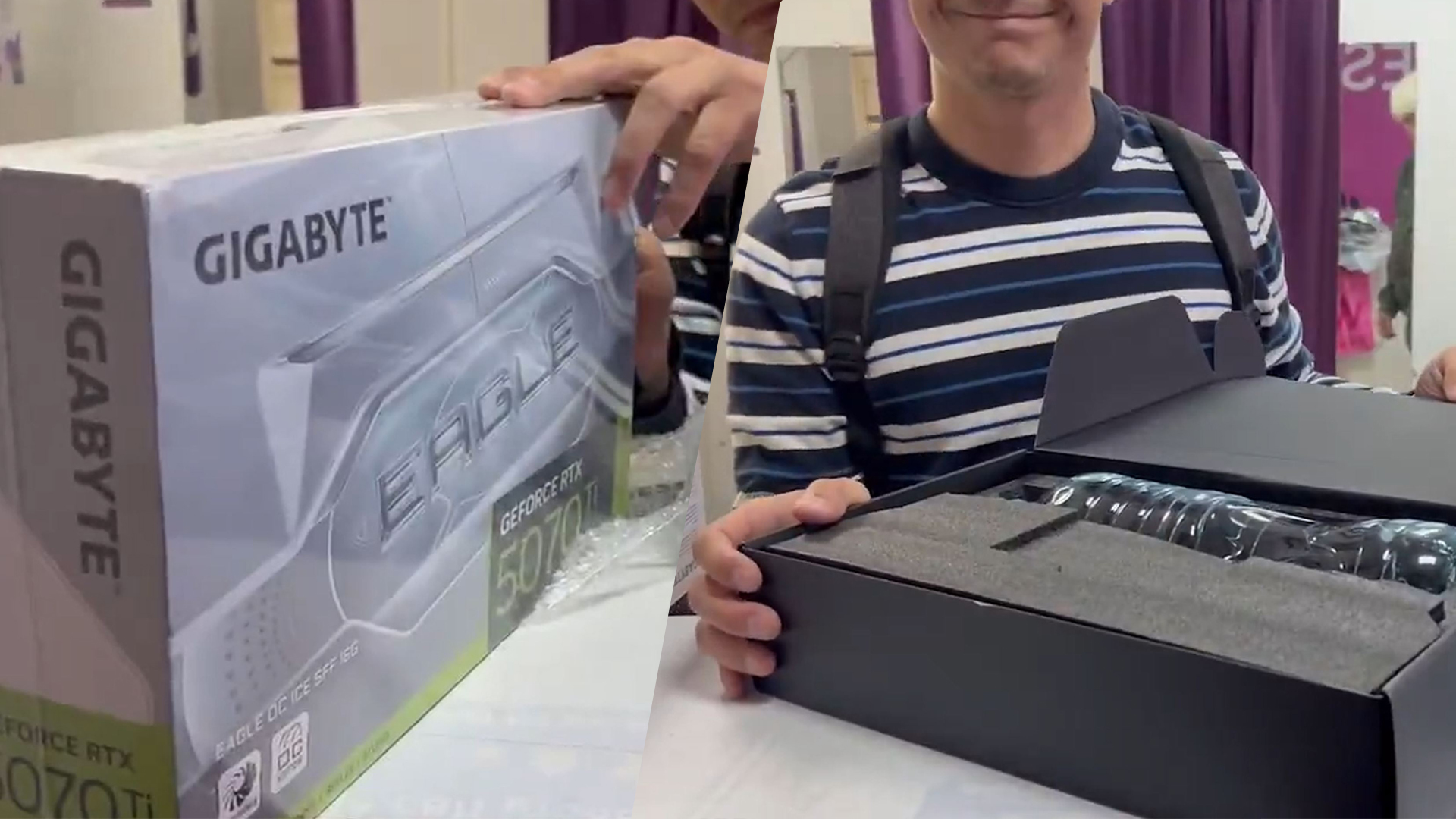
A graphics card buyer in Russia reportedly opened a sealed Gigabyte GeForce RTX 5070 Ti package at a retail counter and found a two litre water bottle inside instead of the GPU.
The customer had purchased the graphics card through Wildberries for nearly 90,000 rubles, equal to about $1,125. That price was already well above the RTX 5070 Ti’s original $750 launch figure, making the missing hardware an especially costly problem.
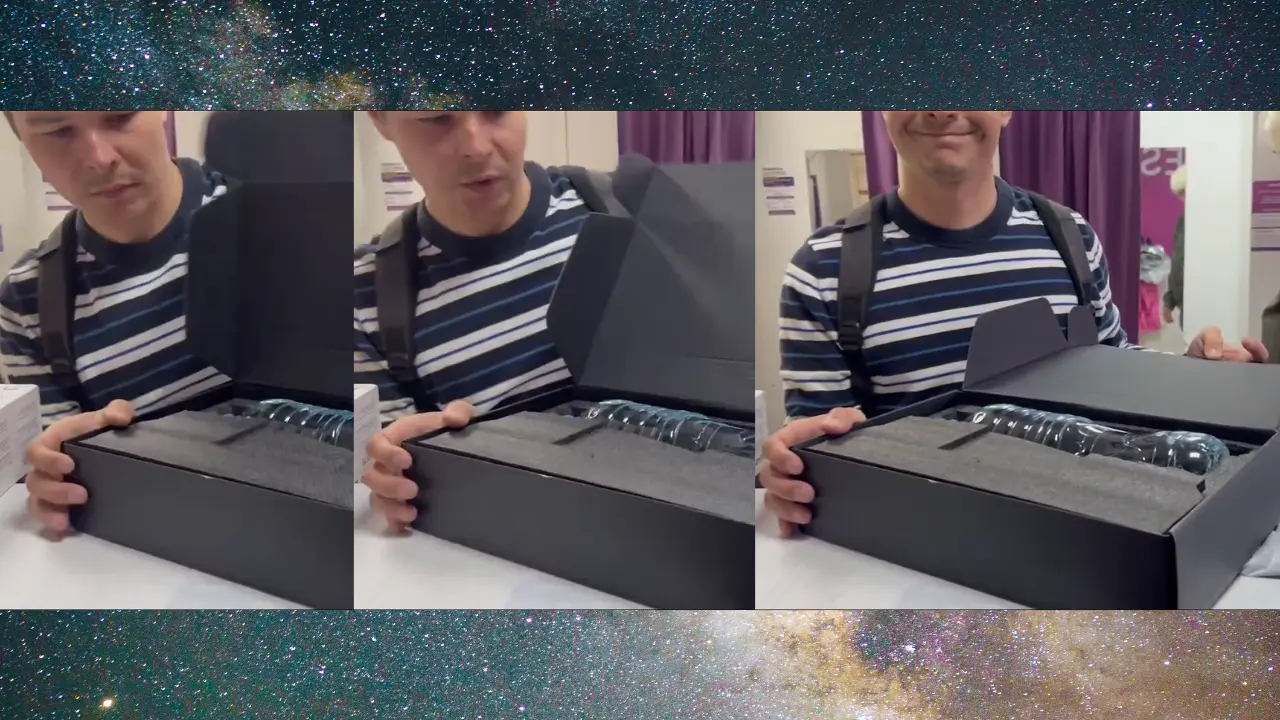
The buyer chose to open the package before leaving the store and recorded the entire process. Although the outer box and seals appeared genuine, the internal foam packaging contained a large water bottle rather than the expected graphics card.
Recording the unboxing at the counter gave the customer immediate evidence that the product was missing before the package left the retailer’s location. This should make a refund or replacement easier to pursue, although the final outcome was not confirmed.
| Purchase detail | Information |
|---|---|
| Product ordered | Gigabyte GeForce RTX 5070 Ti |
| Reported price | Nearly 90,000 rubles |
| Approximate value | About $1,125 |
| Item found inside | Two litre water bottle |
| Package condition | Appeared sealed |
| Unboxing location | Retail counter |
| Evidence | Video of the complete opening |
The package appeared legitimate before it was opened
The unusual part of the incident is that the graphics card box did not appear obviously damaged or previously opened.
The customer showed the packaging and seals before removing the contents. From the outside, it looked like a normal retail unit containing a Gigabyte RTX 5070 Ti Eagle model with 16GB of GDDR7 memory.
Once the box was opened, the internal packaging still appeared arranged to hold a graphics card. However, a clear water bottle had been placed inside the foam instead.
The bottle may have been selected because its weight could make the package feel closer to a genuine GPU box during shipping and handling. Modern graphics cards are large and heavy, so an empty package could have attracted attention more easily.
It remains unclear when the graphics card was removed. The exchange could have happened at several points, including during distribution, storage, shipping or a previous return process.
There is no confirmed evidence identifying the responsible person or company.
Sealed packaging does not always guarantee the product is genuine
A factory style seal can give buyers confidence, but it is not absolute proof that a package has never been altered.
Skilled scammers may replace seals, use copied packaging or carefully reopen boxes without leaving clear damage. Returned products can also reenter retail stock if they are not inspected properly.
High value PC components are frequent targets because they are compact, expensive and easy to resell. Graphics cards, processors and solid state drives can be removed from their packaging and replaced with objects that imitate their weight.
Some scams involve a cheaper or damaged component placed inside a premium box. Others use metal pieces, stones, bottles or unrelated electronic parts.
Retailers and distributors normally rely on serial numbers, package weight and inspection procedures to prevent these cases. A product can still pass through several stages without the substitution being noticed.
Recording expensive unboxings can protect buyers
Opening a costly component while recording can provide useful evidence if the product is missing, damaged or different from what was ordered.
The recording should begin before the shipping package or product seal is opened. It should clearly show the label, serial number, condition of the box and the full removal of the contents.
A continuous video is more useful than several separate clips because it reduces questions about whether the package was changed between recordings.
When possible, opening the item at a collection counter is even safer. Store employees, security cameras and the location itself can support the customer’s claim.
Buyers should also keep receipts, delivery records, packaging and all included materials until the product has been tested.
| Recommended step | Reason |
|---|---|
| Record the unopened package | Shows its original condition |
| Capture labels and serial numbers | Connects the video to the purchase |
| Film the opening continuously | Reduces disputes over missing footage |
| Keep all packaging | May be required for a claim |
| Report the issue immediately | Creates a clear complaint timeline |
| Avoid leaving the store if possible | Allows staff to witness the problem |
Buyers should verify the component after opening
Finding the correct graphics card in the box is only the first step. Counterfeit, damaged or previously used hardware can still appear visually convincing.
You should compare the serial number on the card with the number on the package and invoice. Signs of use may include dust, scratched contacts, damaged screws or missing protective films.
After installation, hardware monitoring software can confirm the GPU model, memory capacity and firmware information. Performance testing may also reveal whether the card behaves as expected.
Any mismatch should be reported before modifying the product or removing labels that could be required for a return.
The Russian buyer avoided a more difficult dispute by opening the package at the store and recording what happened. The incident is a useful reminder that even sealed boxes can be compromised, especially when expensive PC hardware passes through a long supply chain.



Discussion (0)
Be the first to comment.