



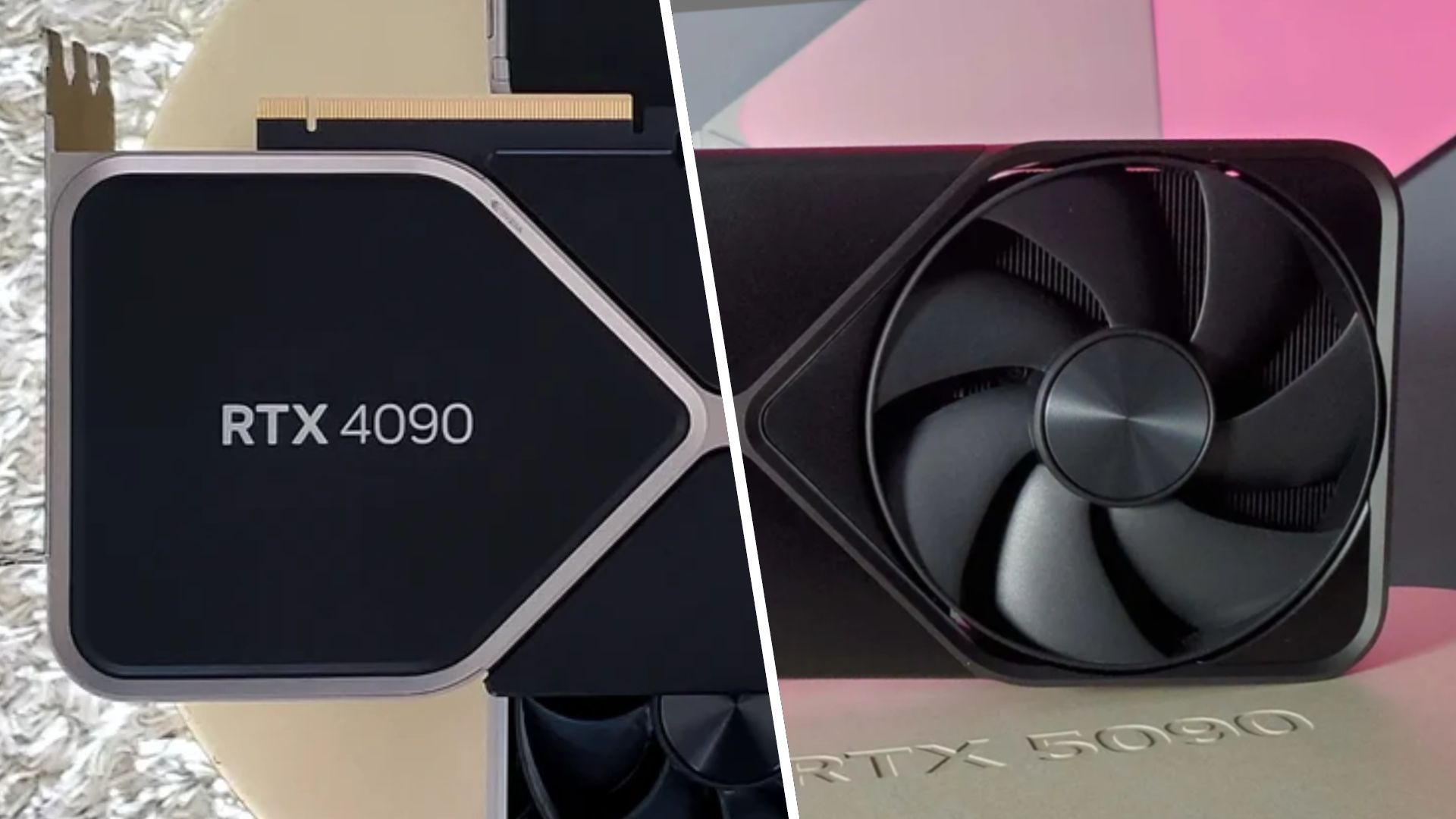
NVIDIA's GeForce RTX 4090 launched four years ago on October 12 with a $1,499 MSRP, a price that looked extremely high at the time. In 2026, the graphics card market has changed enough that the old flagship now looks unusually competitive in hindsight.
The comparison is especially striking because some RTX 5080 models now cost more than the RTX 4090 did at launch. An ASUS Prime RTX 5080 was recently listed at around $1,640, despite the RTX 5080 sitting below NVIDIA's current flagship tier.
Meanwhile, the RTX 5090 has become difficult to find at reasonable retail prices, and rumors suggest NVIDIA may be reducing or ending consumer production of the GB202 chips used by the card.
RTX 4090 Specifications Still Look Strong Four Years Later
The RTX 4090 was excessive by 2022 standards, but much of that hardware remains competitive in 2026.
It launched with 24 GB of GDDR6X memory, 16,384 CUDA cores and 76.3 billion transistors. NVIDIA also equipped it with 128 ray tracing cores and 512 Tensor cores.
| Specification | GeForce RTX 4090 |
|---|---|
| Launch date | October 12, 2022 |
| Launch MSRP | $1,499 |
| Memory | 24 GB GDDR6X |
| CUDA cores | 16,384 |
| Transistors | 76.3 billion |
| Ray tracing cores | 128 |
| Tensor cores | 512 |
| CUDA core increase over RTX 3090 | 56% |
That amount of memory has also aged well as modern games and creative applications have increased their VRAM requirements.
Many owners who paid the high launch price have therefore been able to keep using the card without feeling immediate pressure to upgrade.
DLSS Frame Generation Helped Extend Its Useful Life
The RTX 4090 also introduced many players to NVIDIA's DLSS Frame Generation technology.
The original implementation could generate an additional frame between traditionally rendered frames, effectively increasing displayed frame rates in supported games.
That feature was controversial even then, but the RTX 4090 already had enough raw performance that Frame Generation generally worked as an addition rather than a substitute for weak native rendering performance.
The situation is somewhat different with newer cards, where NVIDIA has expanded the technology into Multi Frame Generation.
Current RTX 50 series GPUs can generate multiple frames, increasing displayed frame rates significantly. However, the technology continues to divide players because generated frames are not equivalent to additional traditionally rendered frames in areas such as latency and input responsiveness.
RTX 5090 Arrived at a Much Higher Price
The RTX 5090 launched with a $1,999 MSRP, $500 above the RTX 4090's original price.
Retail availability quickly complicated that comparison because many RTX 5090 cards appeared at substantially higher prices.
The card delivers considerably more performance than the RTX 4090, but its price made upgrading harder to justify for anyone already using NVIDIA's previous flagship.
That is particularly true when the RTX 4090 remains capable of running modern games at high resolutions and settings.
Rumors now suggest NVIDIA may have halted or reduced RTX 5090 consumer production, potentially redirecting GB202 silicon toward professional and data center products. NVIDIA has not officially confirmed those reports.
RTX 5080 Pricing Shows How Much the Market Has Changed
Perhaps the clearest comparison is not with the RTX 5090 but with the RTX 5080.
The RTX 5080 sits one tier below the flagship and offers newer features such as Multi Frame Generation, but current retail pricing can exceed what the RTX 4090 originally cost.
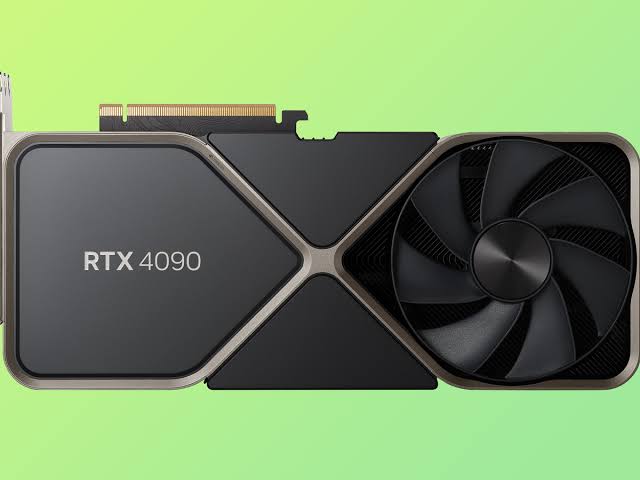
At around $1,640 for one of the cheaper available examples cited in the source, an RTX 5080 can cost more than the previous generation's top gaming GPU did four years ago.
It also does not surpass the RTX 4090 in every measure of raw graphics performance.
That creates an unusual situation where someone who bought an RTX 4090 at launch may have received better long term value than expected.
The RTX 4090 May Represent a Different Era of Flagship GPUs
The RTX 4090 was never affordable in the conventional sense.
A $1,499 graphics card was a luxury product in 2022, and the price attracted considerable criticism at launch.
Four years later, however, rising GPU prices have changed the comparison.
The RTX 5090 started at $1,999 and became significantly more expensive in the market, while RTX 5080 cards can now sell above the old RTX 4090 MSRP.
At the same time, NVIDIA's graphics strategy is increasingly centered on neural rendering, Tensor hardware, DLSS and generated frames rather than relying only on large raw rasterization gains.
That does not make the RTX 4090 inexpensive retroactively. It does show how quickly expectations around high end GPU pricing have shifted.
For people who bought one in 2022 and kept it, the RTX 4090 has turned into an unusually long lasting flagship. Four years after launch, its 24 GB of memory and large core configuration remain relevant, while the cost of replacing it with a meaningfully faster modern card has increased substantially.


Discussion (0)
Be the first to comment.