



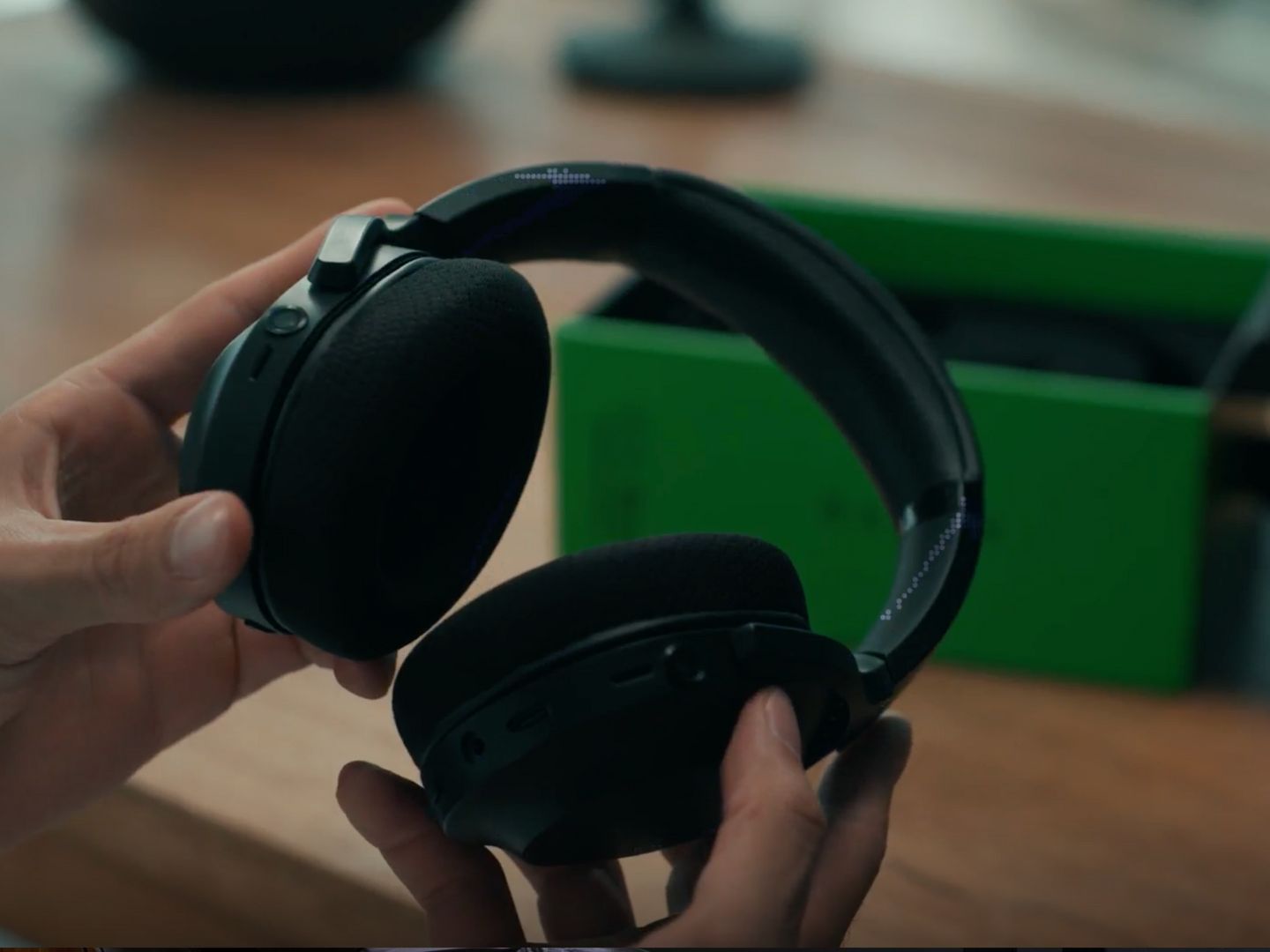
Razer is moving Project Motoko beyond the concept stage, confirming that its experimental AI headset is becoming a real product.
Project Motoko was first shown at CES 2026 as a wearable AI device built around a full size wireless gaming headset. Its defining feature is a pair of cameras built into the earcups, positioned near eye level so the system can analyze what the wearer is looking at.
Razer says the headset can combine visual information with audio awareness and AI models to provide answers and assistance in real time. The company has not yet announced a release date or price, but it says Project Motoko is coming soon.
Dual cameras are central to the design
Unlike traditional gaming headsets, Project Motoko includes a camera in each earcup.
The cameras are designed to sit close to the wearer’s eye level and capture a wide field of view. Razer says the system can recognize information such as text, symbols, and other visual details.
That data can then be processed alongside audio captured by the headset.
The result is intended to be an AI assistant that can understand both what you are seeing and what you are hearing.
| Project Motoko feature | Details |
|---|---|
| Product type | Wireless AI gaming headset |
| Cameras | Dual cameras built into earcups |
| Camera position | Near eye level |
| Processor | Snapdragon |
| AI support | Grok, OpenAI models, Gemini |
| Visual functions | Can identify text, symbols, and scene details |
| Audio functions | Can hear and respond to spoken requests |
| Display | None required |
| Status | Moving from concept to commercial product |
| Release timing | Coming soon |
Razer says the headset can work with several AI platforms, including Grok, OpenAI models, and Gemini.
A Snapdragon processor handles the onboard computing side of the device.
Razer wants Motoko to work beyond gaming
Although Motoko is designed as a gaming headset, Razer is presenting it as something much broader.
Potential uses include cooking assistance, real time translation while traveling, hands free task management, repair instructions, and AI guidance during games.
The company describes the concept as an always available personal assistant that can adapt to a wearer’s schedule, habits, preferences, and surroundings.
That makes Motoko different from a conventional gaming headset with an extra camera.
Razer appears to be positioning the device as a wearable AI platform that happens to use the familiar headset form factor.
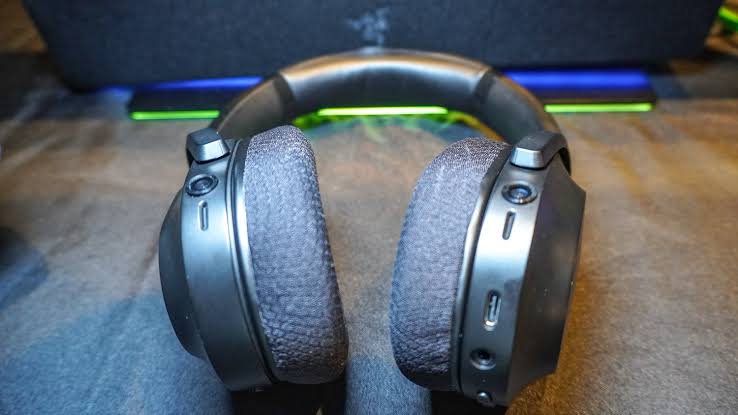
The company has also suggested that Motoko could act as a data collection system for training language models, which may make its camera and microphone capabilities useful beyond direct consumer assistance.
Privacy will be one of the biggest questions
The inclusion of outward facing cameras immediately raises privacy concerns.
If the cameras are active for long periods, people around the wearer may not always know when they are being observed or analyzed.
This is already becoming an important issue for other wearable devices with cameras.
Recent reports surrounding Apple’s leaked AirPods Ultra suggest that Apple is also exploring visual intelligence through discreet cameras. However, those cameras are reportedly intended to recognize objects and information rather than record conventional photos or video.
Motoko appears more explicit about using continuous visual awareness.
That could make transparency, recording indicators, data storage, cloud processing, and privacy controls critical parts of the final product.
Razer has not yet detailed exactly how captured information will be stored, processed, or protected.
Comfort may be another challenge
The design also creates a practical question: how many people want to wear a large gaming headset for extended periods outside gaming sessions?
Traditional gaming headsets are usually designed for several hours of stationary use. Razer, however, is presenting Motoko as a device that could be used while cooking, traveling, working, exercising, or handling everyday tasks.
That means comfort, weight, battery life, heat, and durability will matter far more than they would on a normal gaming headset.
A headset that works well at a desk may not be equally practical while walking around or doing physical activity.
For Motoko to succeed as an everyday AI assistant, Razer will need to prove that the hardware is comfortable enough to wear for long periods and useful enough to justify carrying it beyond a gaming setup.
The important change is that Project Motoko is no longer just an experimental CES idea.
Razer now intends to bring it to market, turning one of its more unusual AI concepts into a real wearable product. The final price, battery life, privacy controls, and launch date will likely determine whether it remains a niche gaming accessory or becomes something broader.



Discussion (0)
Be the first to comment.