



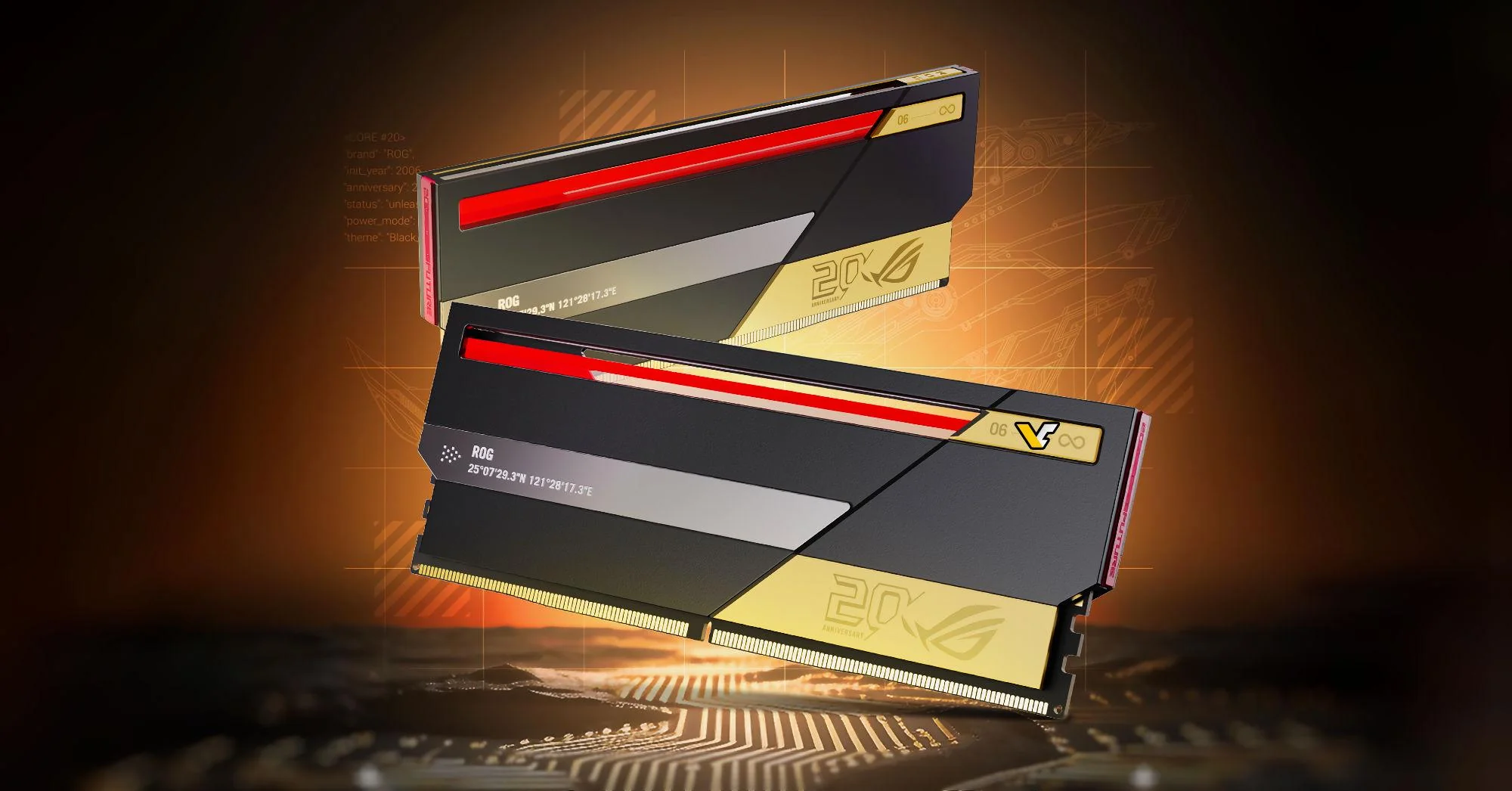
Buying affordable RAM has become even more difficult in 2026, with automated reseller bots reportedly overwhelming some online memory listings as prices continue to rise.
A security researcher says bots accounted for 91% of traffic hitting RAM listings at one retailer during a two week period. That leaves only about 9% of traffic attributed to genuine shoppers and other legitimate activity.
The data suggests that real buyers can be competing with automated systems at close to a 10 to 1 ratio when popular memory kits become available.
Bots are reportedly scanning RAM listings for resale opportunities
The reported 91% figure comes from traffic identified and blocked as malicious or unwanted automated activity.
Earlier data from March reportedly showed bots hitting similar listings at about six times the rate of genuine buyers, suggesting the problem has intensified as memory availability has tightened.
| Detail | Reported figure |
|---|---|
| Bot traffic at one retailer | 91% |
| Legitimate and other traffic | 9% |
| Approximate bot to genuine traffic ratio | About 10 to 1 |
| Earlier reported ratio | About 6 to 1 |
| RAM price increase mentioned | Up to 500% year over year |
The activity is believed to include automated price monitoring designed to identify lower priced memory kits as soon as they appear.
A reseller can then attempt to purchase those kits quickly and list them again at a higher price.
The practice itself is not necessarily illegal, but automation can give resellers a large advantage over people trying to buy parts manually.
DDR5 prices are already under heavy pressure
Scalping is adding another problem to a memory market already affected by limited availability and sharply higher prices.
Consumer RAM kits are reported to have increased by as much as 500% year over year in some cases.
The broader component shortage has been linked partly to strong demand from AI data centers, which are consuming large volumes of memory and storage capacity.
That demand can affect how suppliers allocate production, putting additional pressure on consumer products.
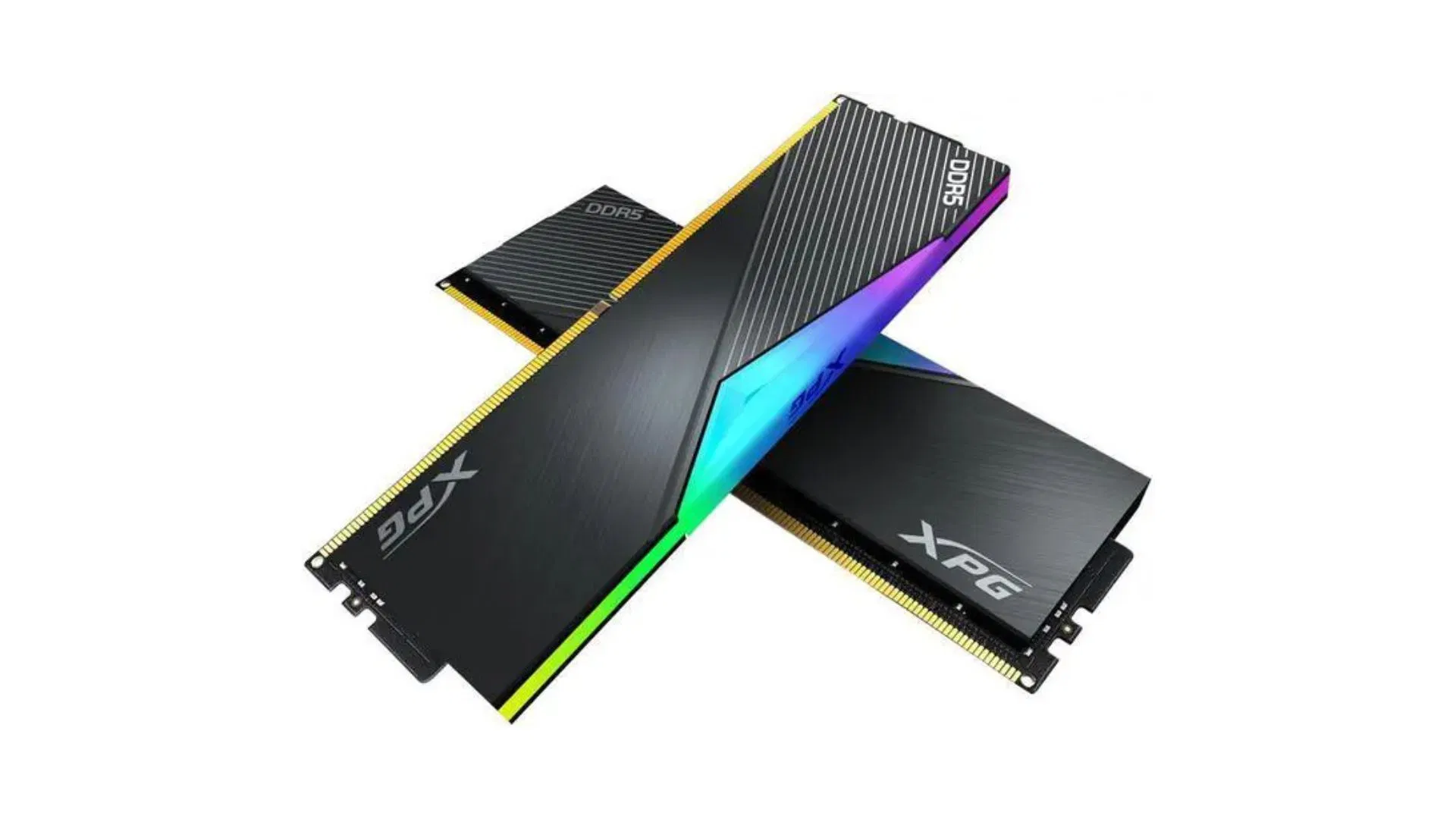
Storage, GPUs and CPUs have also become more expensive, while complete PC prices have reportedly increased significantly.
Smaller PC makers can be particularly exposed because they have less purchasing power than large manufacturers.
Third party marketplace prices show large markups
Examples from major online marketplaces show how wide the pricing gap can become.
A G.Skill Flare X5 DDR5 6000 kit was highlighted as an example. Similar memory reportedly cost around $200 in early 2024, while much higher prices are now appearing across marketplace listings.
Some third party sellers are listing identical products at substantial premiums over direct retail pricing.
One Newegg seller reportedly offered a kit at $658.79, roughly 34% above another listing.
Amazon listings showed an even wider range, with prices for the same memory stretching from about $465.93 to $892.56 depending on the seller.
These examples do not prove that every high priced listing comes from automated scalping, but they show how secondary sellers can benefit when normal inventory disappears.
Automated marketplaces can amplify the problem
When a lower priced product sells out, marketplace systems may begin showing more expensive third party offers as the main remaining option.
That creates an opportunity for resellers who manage to secure inventory at a lower price.
If a bot finds a RAM kit for around $450 and that product later becomes scarce, a reseller may attempt to relist it for hundreds of dollars more.
The main cause of current RAM inflation is still limited supply rather than bots alone, but automated buying can make shortages feel worse for individual PC builders.
For anyone trying to build or upgrade a PC in 2026, the combination of tight memory supply, rising prices and aggressive reseller automation is making affordable DDR5 increasingly difficult to find.

Discussion (0)
Be the first to comment.