



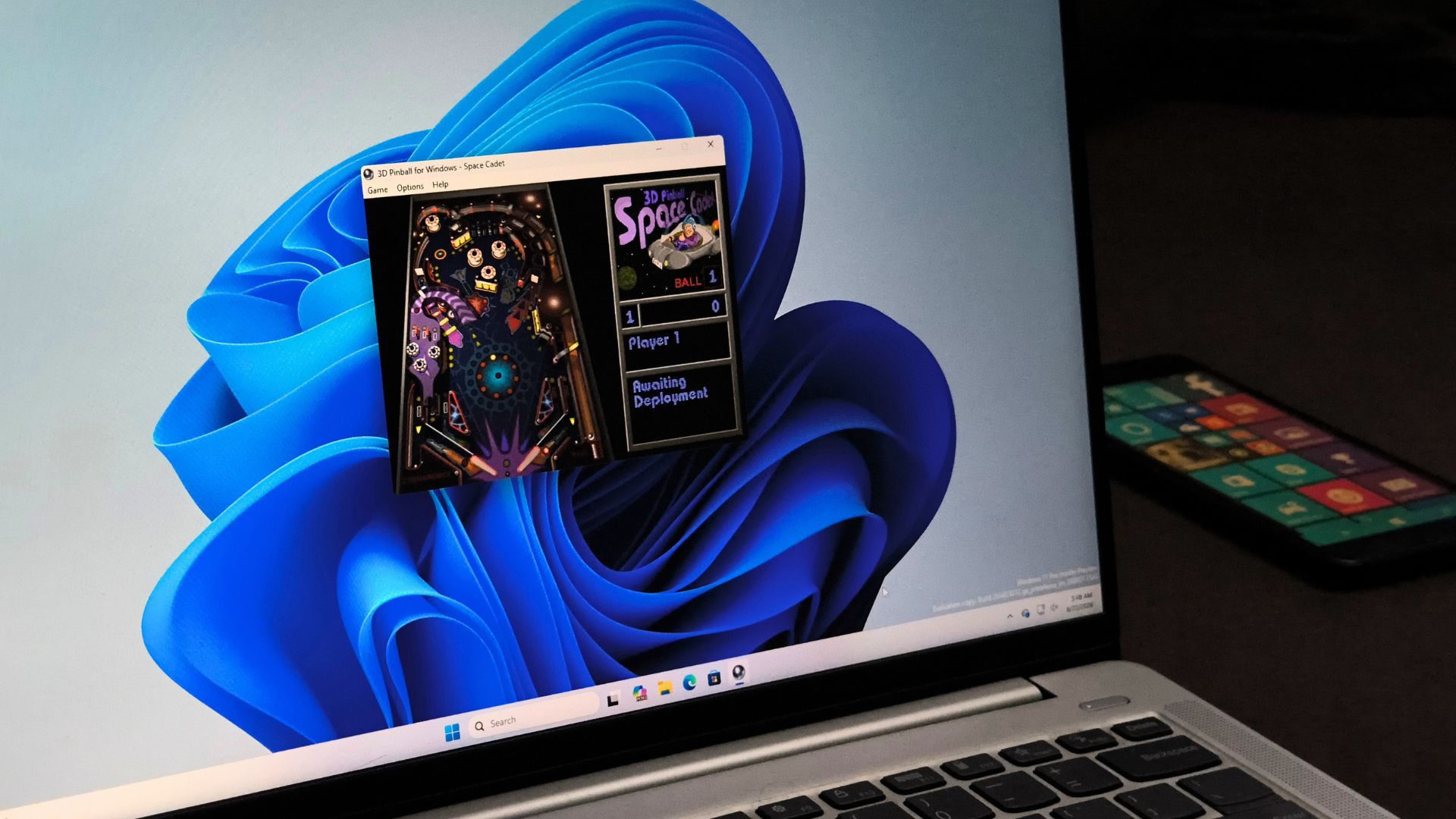
Microsoft’s classic 3D Pinball: Space Cadet disappeared from Windows because of a technical problem that emerged during the move from 32 bit to 64 bit code, according to longtime Microsoft engineer Raymond Chen.
The game remained a familiar part of Windows through the Windows XP era, but it was dropped when Microsoft was preparing newer versions of the operating system.
The main problem was unusually simple to describe: the ball could fall through the playing field.
A 64 bit port exposed a serious gameplay bug
During work on the 64 bit version of Windows, Microsoft discovered that 3D Pinball’s collision detection was no longer behaving correctly.
The ball could pass through the table instead of bouncing as expected, making the game effectively unusable.
| Detail | Explanation |
|---|---|
| Game | 3D Pinball: Space Cadet |
| Main issue | Ball could fall through the playing field |
| When it appeared | During the move from 32 bit to 64 bit Windows |
| Suspected cause | Rounding error |
| Main development problem | Code was poorly documented |
| Original development | Handled by an external company |
| Result | Microsoft removed the game |
| Later obstacle | Licensing restrictions |
The bug was believed to involve a rounding error, but identifying the precise cause would have required significant investigation.
That became difficult because Microsoft had not originally developed the game internally. The code came from an external developer and was largely undocumented.
With other work still required for Windows and deadlines approaching, the team decided that removing the game was more practical than spending additional time reverse engineering the code.
Licensing later complicated any return
The technical problem was not the only barrier.
When Microsoft later explored the possibility of bringing 3D Pinball: Space Cadet back, licensing restrictions reportedly made a standalone rerelease difficult.
The game was connected to licensing arrangements involving Maxis, which is now part of Electronic Arts.
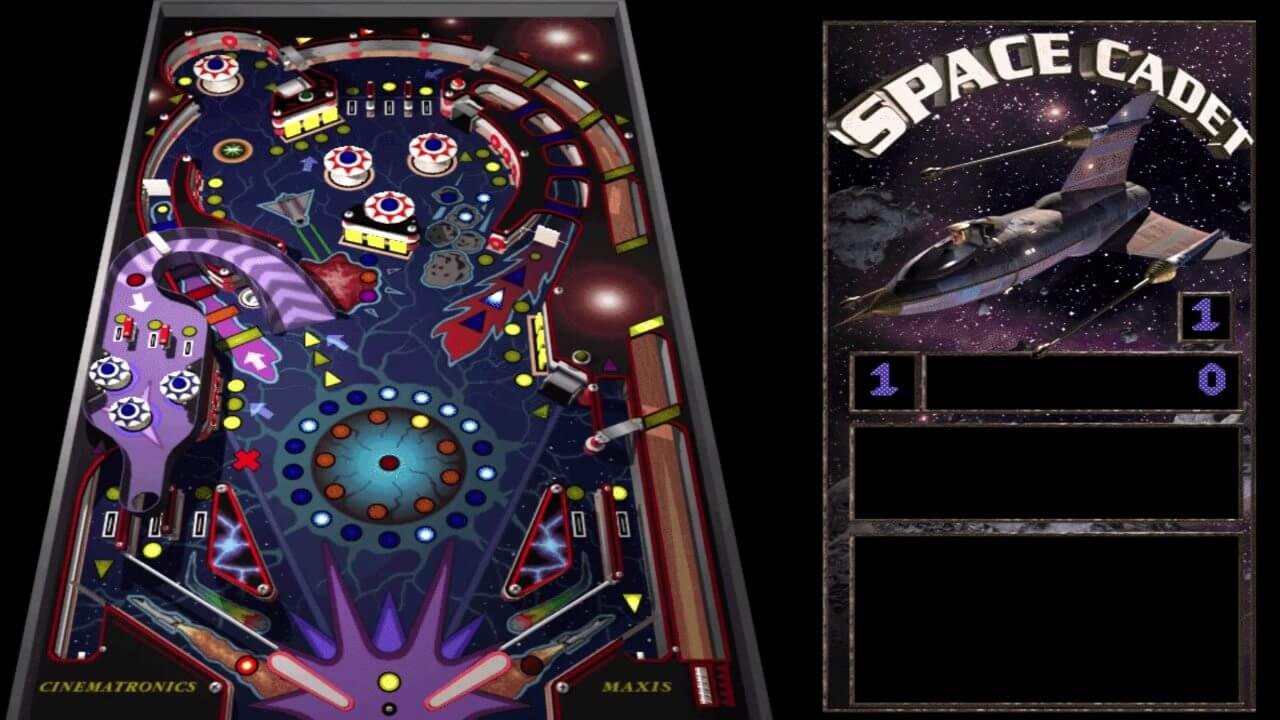
Those agreements limited Microsoft’s ability to simply package and redistribute the game independently.
That means the game’s disappearance was not solely the result of incompatibility with newer versions of Windows.
The 64 bit bug caused the original removal, while licensing issues later made revival more complicated.
Why the game became so memorable
3D Pinball: Space Cadet became closely associated with Windows because it was bundled with the operating system for years and required no separate purchase or installation.
For many people, it was one of the first games they played on a Windows PC.
Its removal after Windows XP therefore stood out, especially because Microsoft never replaced it with a direct successor.
For years, the common explanation was simply that the game did not work properly with the architecture used by newer Windows releases.
The latest explanation adds more detail by showing that the real problem was a specific failure in collision detection during the 64 bit transition.
The game can still be played elsewhere
Although Microsoft no longer ships 3D Pinball: Space Cadet with Windows, the game has survived through unofficial preservation efforts.
Browser based versions are available, and an independent developer has also recreated the game for Android.
That means the original Windows version is gone from Microsoft’s operating system, but the game itself remains accessible through other projects.
Its removal ultimately came down to a practical development decision: Microsoft had a broken 64 bit port, limited documentation and more important work to finish, so fixing one old bundled game was not worth delaying the broader Windows project.


Discussion (0)
Be the first to comment.