



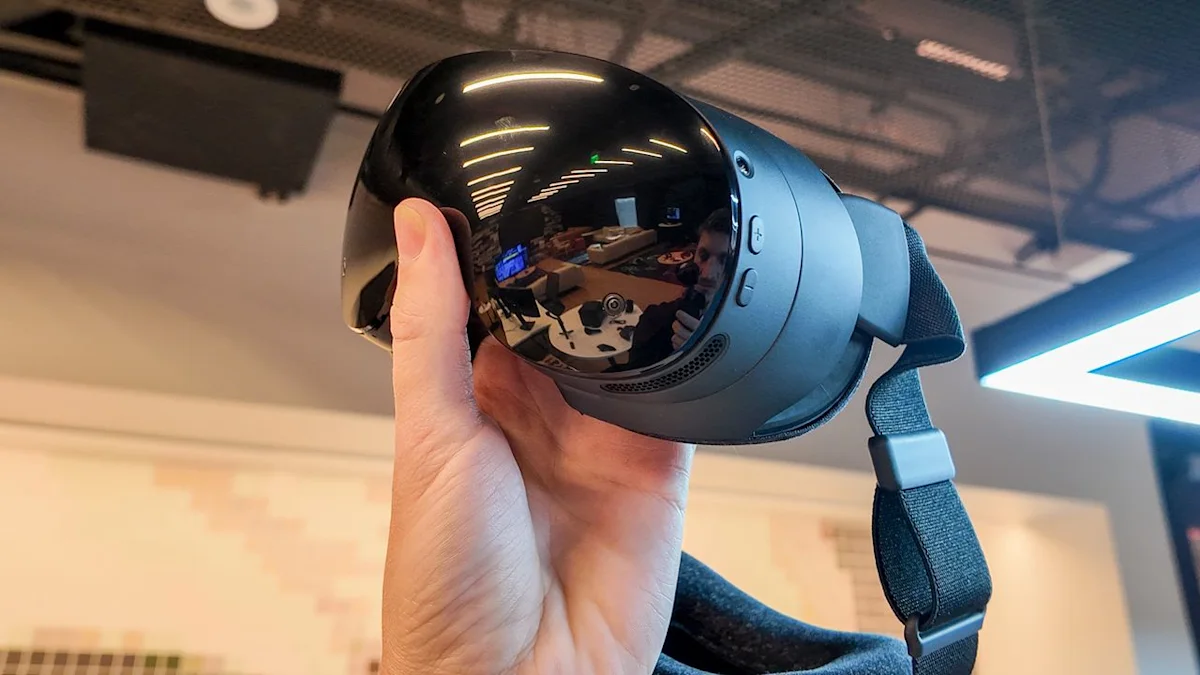
Qualcomm is reportedly preparing a double digit price increase for its processors and related components, creating another potential cost problem for Valve as the Steam Frame approaches launch.
The Steam Frame uses a Snapdragon 8 Gen 3 processor, an ARM based chip that is more powerful than the Snapdragon XR2 Gen 2 used in headsets such as the Meta Quest 3 and Pico 4 Ultra. Qualcomm’s planned increase is expected to take effect on September 1, 2026.
Valve has not announced the Steam Frame’s final price or exact release date. The company previously said the headset would arrive during summer 2026, following a delay from its original early 2026 target.
The timing creates uncertainty. Valve may already have enough processors secured for its first production batches, but later units could become more expensive to manufacture if the reported price increase affects future supply agreements.
Steam Frame Already Faced Rising Component Costs
Valve previously linked the Steam Frame delay to higher manufacturing expenses and continuing memory shortages.
Those same supply pressures are now affecting Qualcomm. The processor company has reportedly told partners that it can no longer absorb the increased cost of components used across smartphones, laptops, wearables, and mixed reality devices.
Qualcomm is said to have explored alternative suppliers but was unable to find suitable replacements. As a result, the company plans to pass some of the higher costs to hardware manufacturers.
| Steam Frame detail | Current information |
|---|---|
| Processor | Qualcomm Snapdragon 8 Gen 3 |
| Processor architecture | ARM |
| Original launch target | Early 2026 |
| Revised launch window | Summer 2026 |
| Confirmed retail price | Not announced |
| Qualcomm increase | Reportedly double digit |
| Planned increase date | September 1, 2026 |
| Main cost pressures | Memory and semiconductor supply |
A double digit increase does not automatically mean the Steam Frame’s retail price will rise by the same percentage. The processor is only one part of the full manufacturing cost, which also includes displays, memory, storage, tracking sensors, cameras, controllers, batteries, cooling, packaging, and distribution.
However, a more expensive processor could reduce Valve’s profit on every headset if the company keeps its original planned price.
First Production Batches May Be Protected
Valve may already have negotiated component prices for the first Steam Frame units.
If processors and other parts have been purchased in advance, the September increase may have little effect on launch inventory. This could allow Valve to release the headset at its previously planned price while reviewing costs for future production.
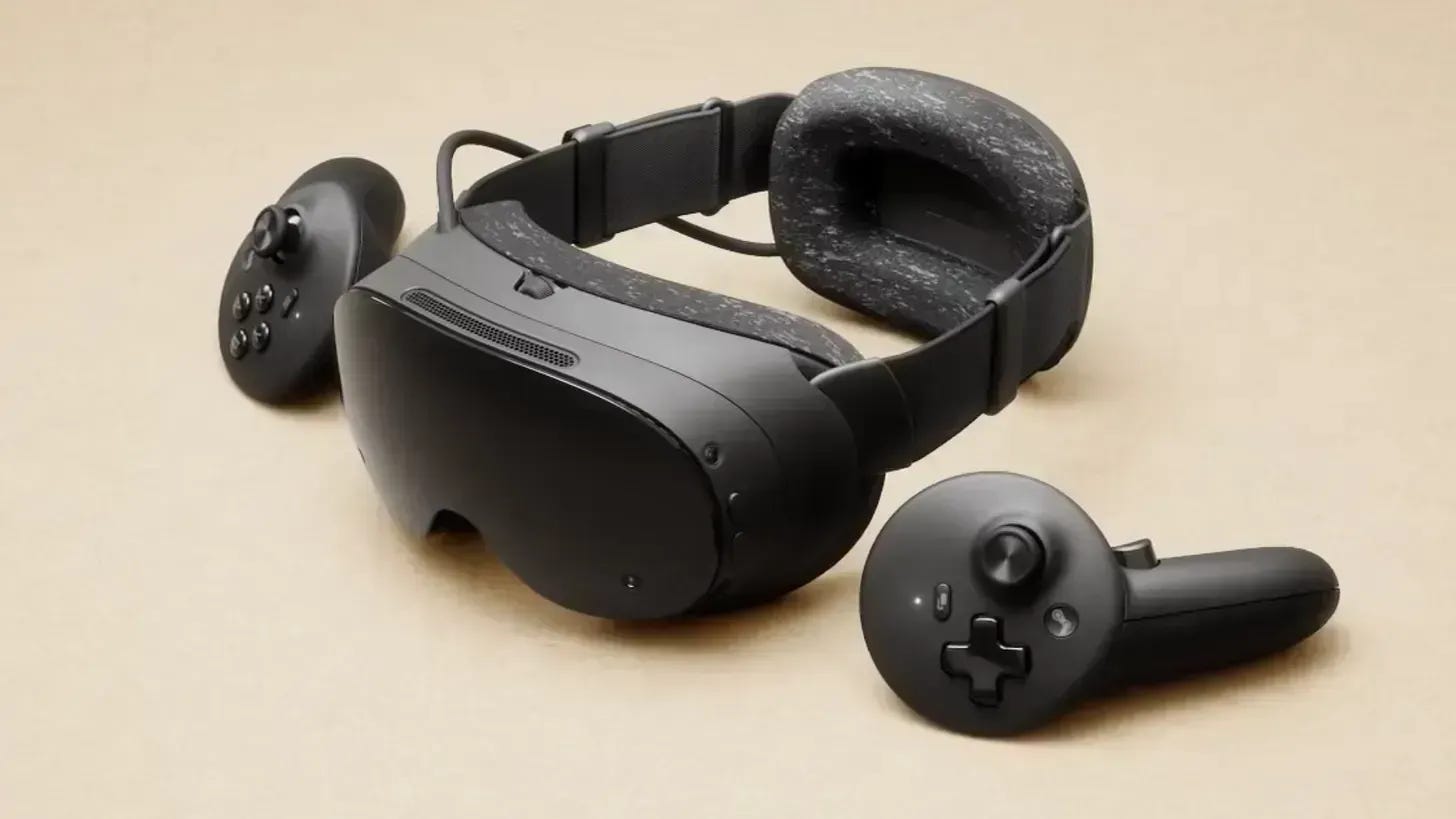
The situation becomes more difficult if the company has only secured a limited number of processors. Later batches could cost more, potentially leading to a retail price adjustment after launch.
Hardware companies sometimes accept lower margins during an initial release to establish a product and build an audience. Valve could take that approach, particularly if software sales and Steam purchases provide additional revenue after the headset is sold.
The company could also increase the price before launch, reduce margins, change storage or accessory options, or absorb the cost temporarily. Without an announced price, customers would have no public reference showing whether Qualcomm’s increase changed Valve’s original plan.
Steam Frame Pricing Was Already a Concern
The expected price of the Steam Frame has remained one of the largest unanswered questions surrounding the headset.
Valve’s recent hardware has received criticism for high pricing. The Steam Controller launched at $100, while the Steam Machine entered the market at more than $1,000. The 1TB Steam Deck OLED has also received a substantial price increase in some markets.
Demand has remained strong enough for some Valve products to move in and out of stock, suggesting that higher prices have not prevented every customer from buying them. A VR headset may face a different challenge because it competes with products from Meta, Pico, and other established manufacturers.
The Snapdragon 8 Gen 3 should provide stronger general processing performance than chips used in several current standalone headsets. That performance advantage may allow the Steam Frame to offer more capable software, improved streaming features, or greater flexibility.
It may also make the device more expensive than mainstream alternatives.
Other Qualcomm Devices Could Also Be Affected
The reported increase extends beyond Valve’s headset.
Qualcomm processors are used in devices from Samsung, Meta, Xiaomi, OnePlus, Pico, and many other manufacturers. They also appear in Windows laptops, Android tablets, watches, and mixed reality products.
Companies using Qualcomm components will need to decide whether to absorb the added cost or pass it to buyers. Products with narrow margins are more likely to receive higher prices, while premium devices may have enough room to reduce profit without changing retail pricing immediately.
Meta has already increased the price of its Quest 3 headsets during 2026. Another rise would make affordable standalone VR hardware more difficult to maintain.
The Steam Frame could be particularly exposed because Valve is preparing to launch during the same period that supplier costs are changing. Established products can adjust gradually, while a new device needs a price that remains competitive and financially sustainable from its first day.
Final Price and Release Date Remain Unknown
Valve has not confirmed whether Qualcomm’s reported changes will affect the Steam Frame.
Signs suggest the headset may be close to release, including shipment activity and increased visibility across Steam. However, Valve has still not provided a specific launch date, storage configurations, regional availability, or final pricing.
The company’s immediate component agreements will determine how much impact the September increase has. Early inventory may remain unaffected, while production scheduled later in the year could face higher costs.
Until Valve publishes the retail price, it will be difficult to know whether the company absorbed the increase or adjusted its launch plan. What is clear is that the Steam Frame is entering production during a difficult period for memory and semiconductor supply, adding further pressure to a headset whose affordability was already uncertain.



Discussion (0)
Be the first to comment.