



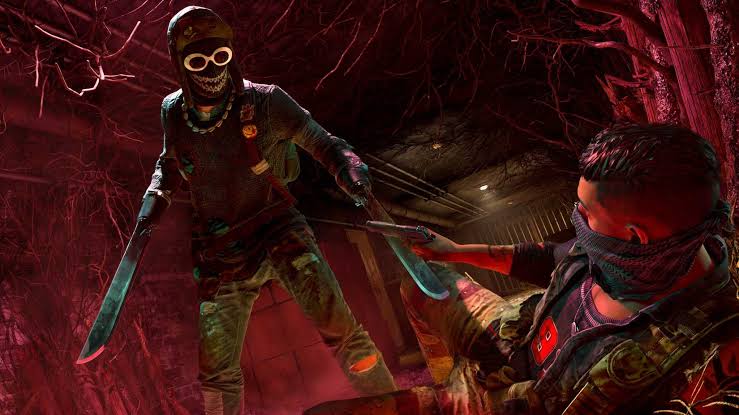
PUBG DED.NET is being developed as a faster, stranger take on the PUBG formula, built specifically to attract players who may never have connected with the original battle royale.
The game keeps the survival focus associated with PUBG but moves away from one match progression. Instead, it uses roguelite systems that carry your character through several matches, allowing builds, injuries and narrative elements to develop over time.
Creative director Dave Curd also addressed the game’s use of AI tools, explaining that AI generated material has been used as temporary placeholder content during development. He said the final art is being created by human artists.
| Detail | PUBG DED.NET |
|---|---|
| Developer | PUBG Madison |
| Genre | Multiplayer first person shooter with roguelite progression |
| Setting | 1990s inspired Cascadia |
| Platforms | PC, PS5, Xbox Series X and S |
| Release date | Not announced |
| Beta | Closed beta registration open |
| Starting characters | Nine |
| Character abilities | Not tied to specific characters |
| AI generated final art | No, placeholders are being replaced |
Runs continue across several matches
The biggest difference from traditional PUBG is persistence.
In a normal battle royale match, the result largely ends when the match finishes. DED.NET instead treats multiple matches as part of one larger run.
You begin by selecting a character and choosing a starter deck built around a broad play style such as assault, support or trickster.
A character starts with a pool of career health. Poor match results reduce that health more heavily, while stronger finishes cost less. Winning can restore some of it.
The goal is to survive through several matches before the character’s run ends.
Players can also stop between matches and continue later rather than completing the entire run in one sitting.
Builds change as each match progresses
Every starter deck contains cards representing abilities.
During a match, players receive choices at different stages of the shrinking zone. One build might focus on carrying two weapons, while another may unlock more unusual abilities such as breaking through doors.
By the final stages of a match, several powers will be active at once.
After the match, players visit a body shop where they select additional upgrades.
The system is intentionally designed to tempt players away from the build they initially planned.
A straightforward assault setup, for example, might eventually incorporate abilities from another category if an attractive upgrade appears.
The result is meant to produce characters that feel different from one run to the next.
Injuries become part of progression
Progress is not always positive.
As a run continues, injuries can be added to the player’s deck.
These can introduce negative effects such as fumbling a weapon during a swap or accidentally revealing your position by making noise.
That creates another layer of risk management as the run becomes longer.
If career health reaches zero, the character’s run ends. The player still earns account progression before beginning again with another run.
Characters have stories but no locked abilities
DED.NET will begin its beta with nine characters connected to the game world.
They have personal goals, relationships, rivals and allies.
Narrative information is expected to appear through voice lines, map interactions, revives and other small moments during play rather than through lengthy story scenes.
Importantly, abilities are not locked to individual characters.
Choosing a character is mainly a narrative and cosmetic decision, so players do not need to select someone purely because of a specific gameplay advantage.
More characters have already been written and recorded, giving the developers room to expand the roster later if the game continues to grow.
The game deliberately allows unusual abilities
The development team wanted DED.NET to support actions that would feel out of place in regular PUBG.
Players can reportedly hide inside loot containers, pretend to be dead and move quickly along the ground in unusual ways.
Other examples include using a boombox that reveals your location while providing a support effect.
These mechanics fit the game’s faster pace and more experimental structure.
The setting also helps separate the project from the main game.
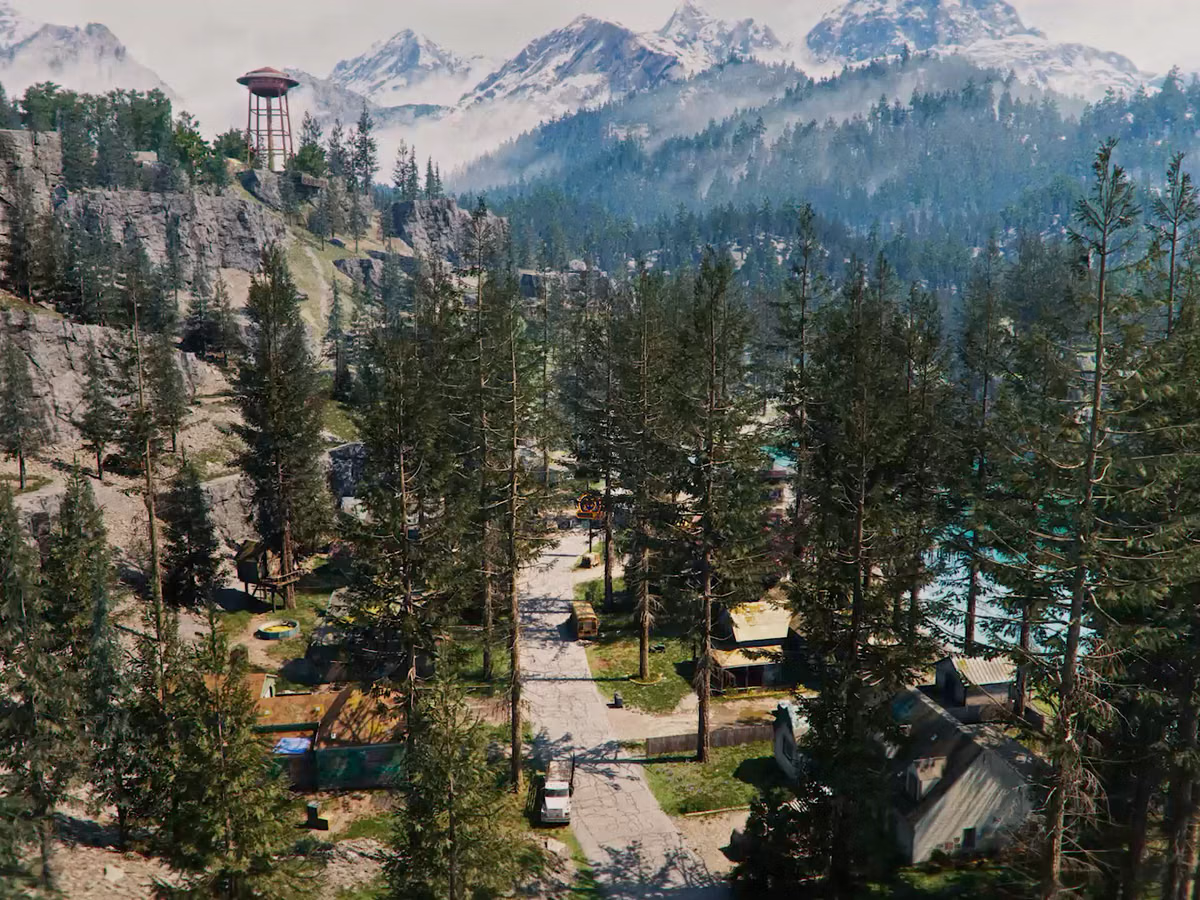
DED.NET takes place in a stylized version of 1990s Cascadia in the Pacific Northwest, with unusual locations, strange creatures and PvPvE elements alongside direct player combat.
AI art is being replaced before release
The developers have disclosed the use of AI tools during production, but Curd said the technology is being used as a development aid rather than as a replacement for artists.
One example involved quickly generating temporary movie posters while building a theater environment.
Those placeholder images are being replaced with hand painted artwork produced by a professional artist.
According to Curd, buildings and characters have also received extensive original concept work from human artists.
The development team’s position is that AI can help establish a direction quickly during production, while final visual assets remain the responsibility of artists.
PUBG DED.NET does not yet have a release date, but its closed beta registration is already open. The project appears less interested in replacing the original PUBG than in applying its survival ideas to a faster, more persistent and more experimental multiplayer structure.
Discussion (0)
Be the first to comment.