



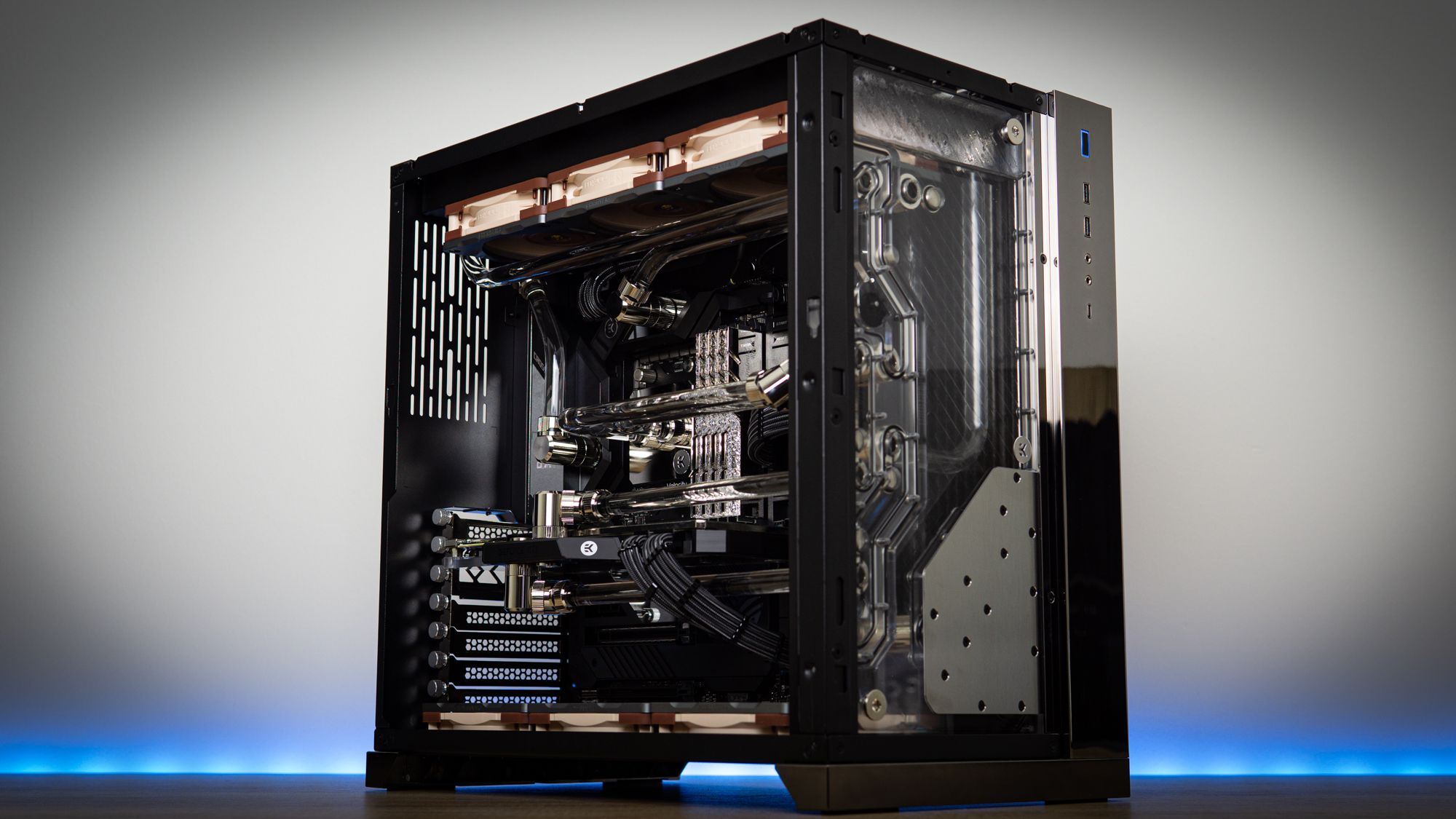
Building your own gaming PC has long been treated as the better choice for performance, value and upgradeability. That view is becoming harder to defend as prebuilt systems improve their component quality, cooling, cable management and pricing.
Many older prebuilts deserved their poor reputation. They often used restrictive cases, proprietary motherboards, weak power supplies and unnecessary software. Some also charged a large premium despite offering limited upgrade options.
The market has changed. Several recent systems now use standard desktop components, provide sensible airflow and cost close to what you might spend buying the same parts separately. Rising memory and storage prices have also reduced one of the strongest arguments for building a PC yourself.
A custom build still gives you greater control over every part. However, a carefully selected prebuilt can now offer comparable value while saving the time and effort required to assemble, configure and troubleshoot a complete system.
| Buying option | Main advantage | Main concern |
|---|---|---|
| Custom built PC | Full control over parts and upgrades | Requires time, knowledge and troubleshooting |
| Large brand prebuilt | Easy setup and wider availability | May use proprietary or lower quality parts |
| Boutique prebuilt | Better assembly and component selection | Often carries a higher price |
| Discounted prebuilt | Can offer strong value | Specifications require careful checking |
Better designs have addressed many older complaints
Recent prebuilt gaming PCs show that manufacturers are paying more attention to details that enthusiasts care about.
The Acer Nitro 65 is one example. It uses a clean internal layout, regular components and a case that provides reasonable access for future upgrades. Its non modular power supply is a limitation, but the overall package avoids many of the compromises associated with older big brand machines.
Boutique systems can offer an even higher level of assembly quality. The Maingear MG 1 MK II uses carefully arranged cables, well selected hardware and a refined internal layout. It costs more than a basic prebuilt, but the difference may be reasonable after considering professional assembly, testing, support and the time saved.
More affordable systems are also becoming competitive. The iBuyPower Slate 8 Mesh has offered a useful balance between price and gaming performance, with some configurations appearing below $1,500.
These systems show why judging every prebuilt by the standards of older products is no longer fair. Buyers now have a wider range of machines that use standard graphics cards, desktop processors and replaceable components.
Building your own PC is not always the cheaper route
The traditional financial argument for a custom build assumes that individual parts are available at normal prices. That is not always the case.
Memory, storage and other hardware costs have become less predictable. Large manufacturers may secure components through long term agreements or purchase them in higher volumes, allowing some complete systems to compete with the price of separate retail parts.
Sales events can strengthen that advantage. A discounted prebuilt may cost less than purchasing an equivalent processor, graphics card, case, power supply, memory and storage individually.
The comparison should also include expenses that are easy to overlook. A custom build may require additional case fans, a Windows licence, thermal materials or delivery charges from several retailers. None of these costs is always substantial, but together they can reduce the expected savings.
Prebuilt systems also provide one point of warranty support. With a custom PC, you may need to identify the faulty component and contact its manufacturer separately. A complete system can simplify that process, although the quality of support will depend on the company.
Weak prebuilts still exist and require careful checking
The improving market does not mean every prebuilt is a sensible purchase.
Some systems still use mobile processors inside desktop cases, restrictive power supplies or custom components that make future upgrades difficult. The Asus TUF Gaming T500 demonstrates this risk by combining a laptop class processor with a desktop graphics card.
That design limits processor performance and upgradeability. A strong graphics card cannot fully compensate when the rest of the system creates a bottleneck or prevents meaningful future improvements.
Other manufacturers may use an unspecified power supply, a single memory module or a basic cooler to reduce costs. Product pages sometimes highlight the processor and graphics card while providing little information about the motherboard, storage model or cooling system.
These details can affect reliability and performance. Two PCs with the same headline processor and graphics card may behave differently if one has poor airflow, slow memory or a weak power supply.
Reviews matter more than the prebuilt label
The safest approach is to judge individual systems rather than treating all prebuilts as good or bad.
Before buying, check whether the processor is a desktop model and confirm the exact graphics card, memory capacity and storage configuration. Look for information about the power supply’s wattage, efficiency rating and manufacturer.
Upgradeability also deserves attention. A standard motherboard, regular power connectors and a spacious case will make future changes easier. Proprietary parts may restrict your options or force you to replace several components at once.
Cooling reviews are equally important. A system may look attractive in photographs but still suffer from high temperatures or excessive noise during demanding games.
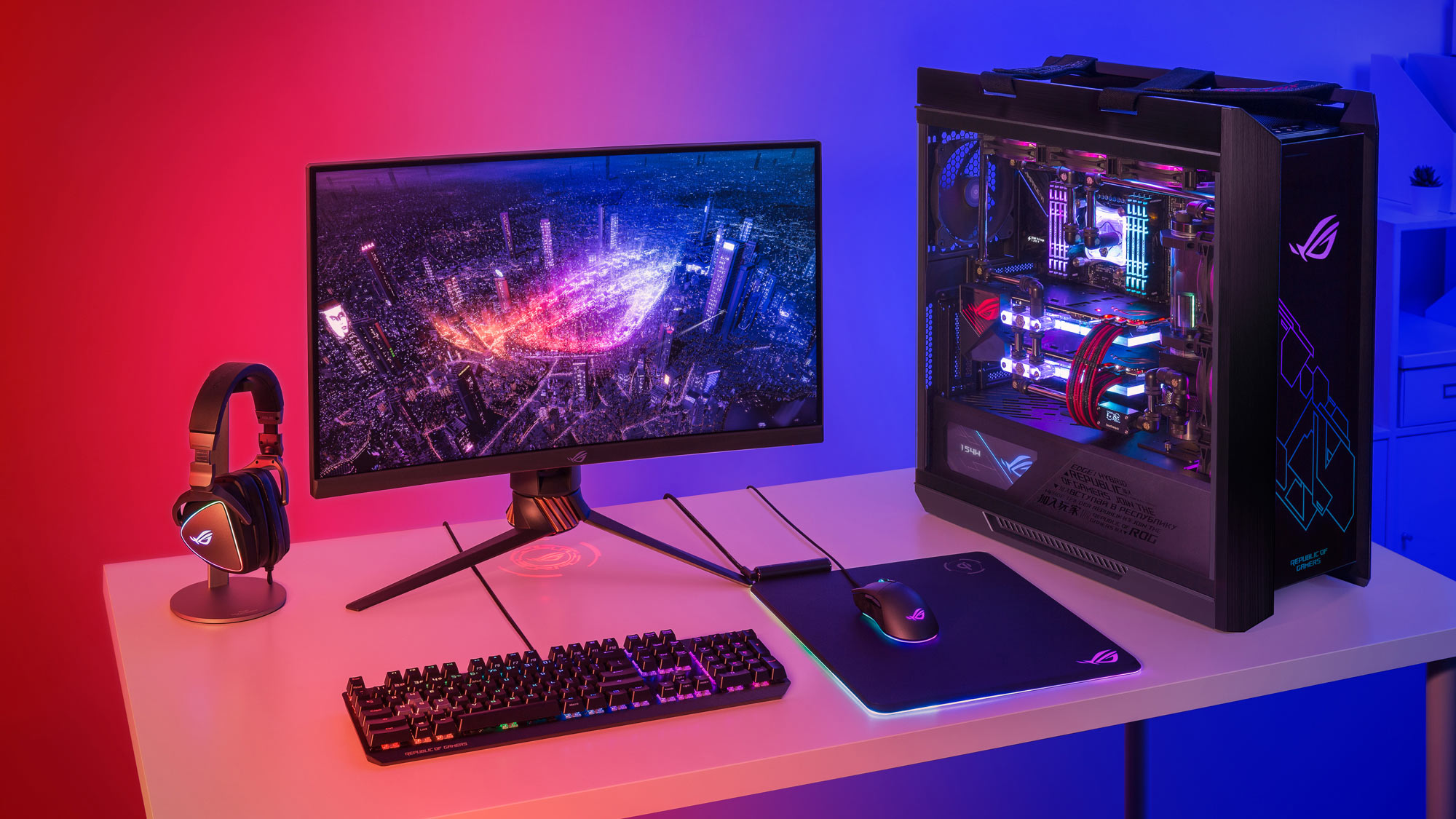
You should also examine the included software. Some manufacturers install promotional applications and background services that can reduce performance or make the initial setup less pleasant. These programmes can often be removed, but knowing about them before buying is useful.
Building your own gaming PC remains rewarding and gives you the most control. It is still a strong choice for anyone who enjoys choosing parts and solving technical problems.
The difference is that a prebuilt is no longer automatically the inferior option. Good systems can now offer competitive pricing, standard components and professional assembly. The right decision depends on the specific machine, not the old assumption that every custom build is better.
Discussion (0)
Be the first to comment.