


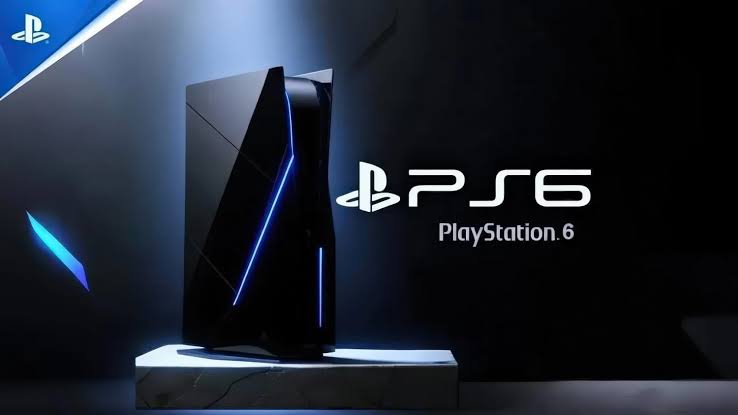
Sony's upcoming PlayStation 6 could launch with a price exceeding $1,000, according to new estimates suggesting that rising memory and storage costs are making the console significantly more expensive to manufacture.
Hardware insider KeplerL2 has claimed that Sony may need to spend approximately $680 on memory and storage components alone. The estimate has raised concerns about the affordability of the next generation PlayStation, particularly as demand from artificial intelligence companies continues to put pressure on the global memory market.
The same insider previously estimated that the PlayStation 6 could have a total bill of materials of approximately $960. With component prices continuing to rise, the actual manufacturing cost could potentially exceed that figure.
However, Sony has not announced an official PlayStation 6 price, and the reported component costs remain unverified estimates.
PS6 Memory and Storage Costs Could Reach $680
KeplerL2 shared the latest estimate during a discussion on the NeoGAF forums, responding to questions about an earlier prediction concerning the PlayStation 6's manufacturing expenses.
In July 2026, the insider suggested that the console's total bill of materials could reach approximately $960.
The newer claim places the combined procurement cost of memory and storage at $680, representing a substantial portion of that earlier estimate.
This is particularly concerning because the figure excludes several essential components, including the processor, graphics hardware, motherboard, cooling system, and other internal parts.
Here is how the reported estimates compare.
| Cost category | Reported estimate |
|---|---|
| Memory and storage | $680 |
| Earlier total bill of materials estimate | $960 |
| Remaining amount under earlier estimate | $280 |
| Potential consumer price | $1,000 or higher |
| Official Sony pricing | Not announced |
| Source of estimates | Hardware insider KeplerL2 |
If the earlier $960 manufacturing estimate remains accurate, memory and storage would account for approximately 71% of the total component budget.
However, these figures come from unofficial predictions and should not be treated as confirmed production costs.
The final expenses could change depending on component contracts, production volumes, specifications, and market conditions.
AI Demand Is Making Memory More Expensive
One of the main factors behind the predictions is the ongoing increase in memory prices.
Artificial intelligence infrastructure requires enormous quantities of memory and storage, particularly for servers and advanced computing systems.
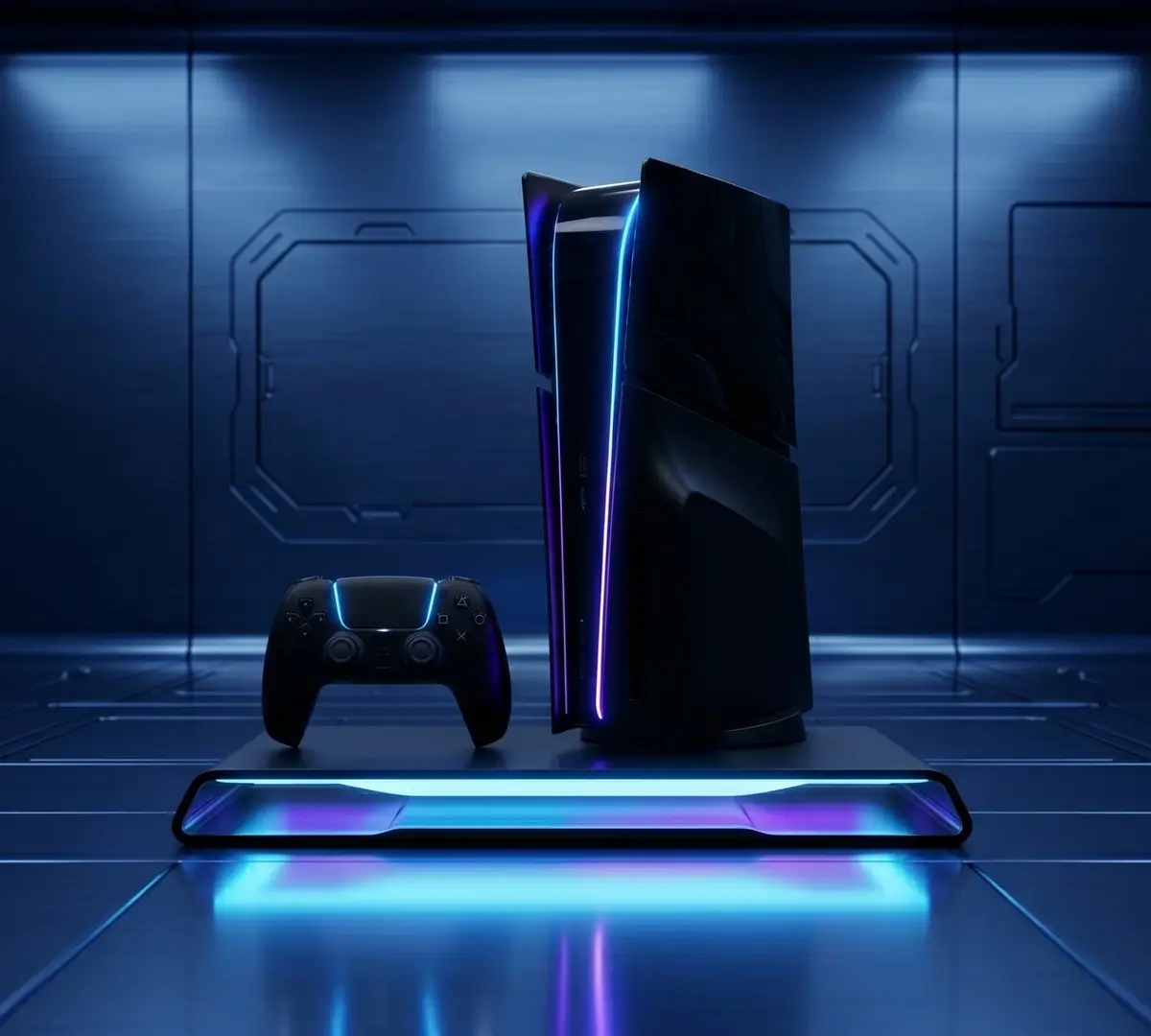
As technology companies expand their AI operations, manufacturers are allocating more production capacity toward enterprise products.
This has increased pressure on the broader memory supply chain, affecting components used in personal computers, smartphones, graphics cards, and gaming consoles.
Sony could face similar challenges when securing the memory and storage needed for its next generation hardware.
The situation is particularly important because consoles generally need large quantities of components at predictable prices to support mass production.
Higher costs may force manufacturers to reconsider pricing strategies, hardware configurations, or production schedules.
There is also uncertainty about whether memory prices will stabilize before the PlayStation 6 enters mass production.
Sony May Avoid Selling the PlayStation 6 at a Large Loss
Console manufacturers have historically accepted losses on hardware sales during the early stages of a new generation.
The strategy allows companies to establish a larger customer base while generating additional revenue through game purchases, subscriptions, and accessories.
However, Sony has recently indicated that it does not intend to sell hardware at significant losses.
This position could influence how the company prices its next console.
If the PlayStation 6 costs close to $960 to manufacture, Sony may have limited flexibility to introduce it at a substantially lower retail price without accepting considerable losses.
Retail pricing must also account for expenses beyond the bill of materials, including distribution, logistics, retailer margins, warranty support, and other business costs.
Consequently, a manufacturing cost approaching $1,000 could make a retail price above that level financially plausible.
Nevertheless, manufacturing estimates do not directly establish the final selling price.
Sony could negotiate different component prices, adjust hardware specifications, or make other decisions before launch.
PlayStation 6 Launch Timing Remains Uncertain
Rising component costs may also influence when Sony introduces its next console.
The company has not confirmed an official PlayStation 6 release date, and reports suggest that ongoing supply constraints could affect its plans.
Sony must balance several factors, including hardware availability, production capacity, pricing, and the expected lifespan of the PlayStation 5 generation.
Launching too early during a period of expensive components could result in a higher retail price.
Delaying production might provide additional time for memory prices to stabilize, although there is no guarantee that costs will decline.
Sony has not confirmed whether component shortages will directly delay the PlayStation 6.
The company's final decisions will likely depend on market conditions and its long term hardware strategy.
PS6 Pricing Could Become a Major Challenge for Console Gaming
A PlayStation 6 priced above $1,000 would represent a substantial increase over the starting price of the original PlayStation 5.
The standard PS5 launched in the United States in November 2020 for $499.99, while the Digital Edition initially cost $399.99.
A four figure launch price would place Sony's next console in a considerably more expensive category.
Such pricing could make upgrading difficult for customers who normally purchase new hardware during the first year of a console generation.
It could also increase interest in keeping existing PlayStation 5 systems for longer or exploring alternatives such as PC gaming and cloud services.
However, the PlayStation 6's actual value will depend on its specifications, performance improvements, game library, and available features.
Sony has not revealed enough official hardware information to determine whether the expected improvements would justify such a price increase.
The reports also arrive amid speculation about Sony's future support for physical game discs, adding another question about how the company intends to position its next console.
For now, the $680 memory and storage estimate and the possibility of a $1,000 retail price remain speculative.
Sony has not confirmed either figure, and changes in manufacturing costs could substantially alter the company's pricing strategy before release.
The latest claims nevertheless highlight the growing financial pressure facing console manufacturers as memory demand from AI infrastructure continues to influence the wider hardware market.
Discussion (0)
Be the first to comment.