




A new study suggests people may be giving AI systems more trust than they deserve because chatbots often present answers in a smooth, neutral, and confident way. The concern is simple: AI can sound certain even when it is wrong.
Researchers looked at how people judge confidence in humans and AI systems. The study found that people often read fast or easy looking answers as signs of confidence. That matters because many AI tools can produce polished responses quickly, even when the answer has errors or missing context.
With humans, trust is shaped by many visible and emotional cues. A person might hesitate, change tone, look unsure, or clearly say they are not confident. Those signs help others judge how much weight to give the answer. AI usually does not show those same cues. It can answer with the same calm tone whether it is right, partly right, or completely wrong.
The research was led by Clara Colombatto from the University of Waterloo’s Department of Psychology. The team asked participants to observe decisions made by either humans or AI systems, then judge how confident they thought the decision maker was.
| What people noticed | How it affected trust |
|---|---|
| Fast answers | Made the AI or human seem more confident |
| Easy looking tasks | Made answers feel more reliable |
| Lack of hesitation | Made AI responses seem smoother |
| No visible emotion | Removed normal human doubt signals |
| Polished wording | Could make weak answers feel stronger |
The problem is not only that people trust AI. The bigger issue is that people may trust AI for the wrong reason. A chatbot can produce an answer quickly because it is designed to generate text efficiently. That speed does not prove the answer is correct.
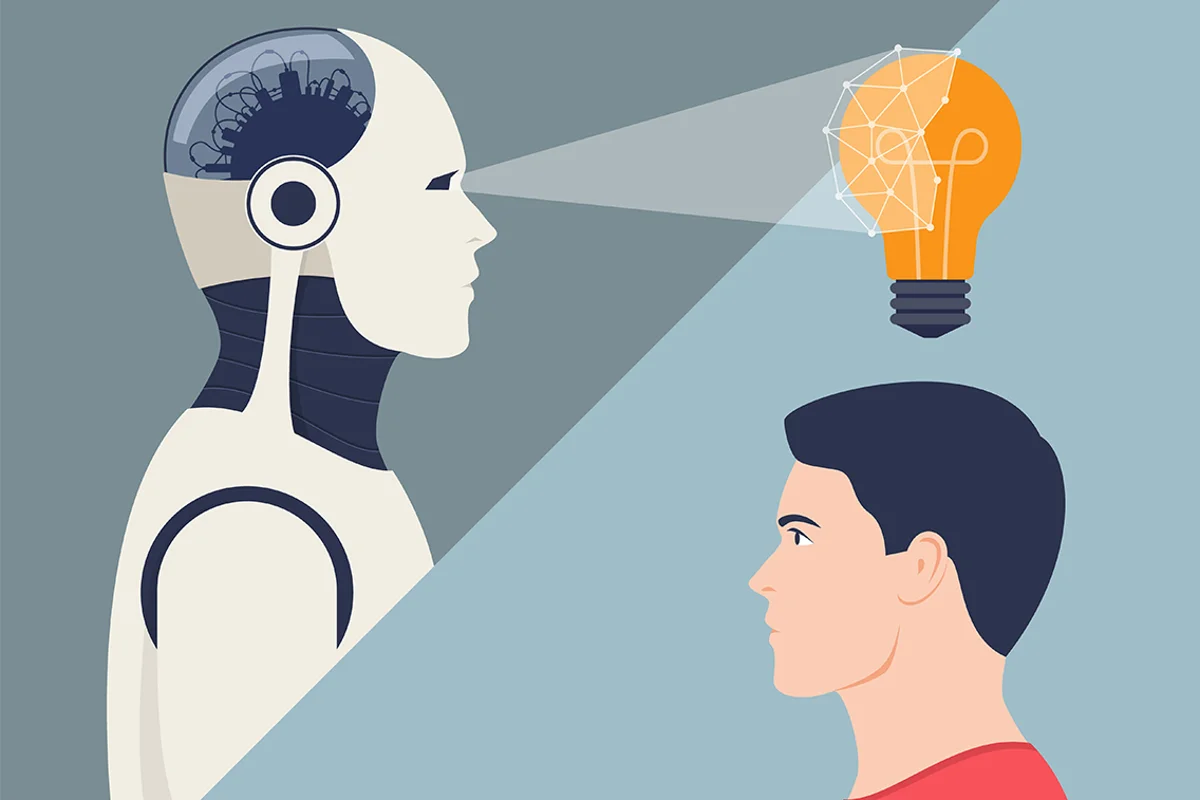
This creates what can be called a confidence trap. AI often gives clean, well structured answers, and that can make the response feel more reliable than it really is. The same effect may become stronger as AI gains voice, faces, avatars, and more human like behavior.
The study also raises questions for AI companies. Developers may try to make chatbots better at showing confidence levels, but that could be risky if the signals are not honest or clear. If an AI system sounds more emotionally aware or self assured without being more accurate, people may become even more likely to overtrust it.
This is especially important as AI moves into shopping advice, health information, education, work decisions, and personal planning. In those areas, a wrong answer can waste money, spread misinformation, or lead to poor choices.
The safer approach is to treat AI as a useful assistant, not a final authority. AI can help summarize, explain, draft, compare, and brainstorm. But for important decisions, the answer still needs checking against reliable sources, expert advice, or original documents.
The study shows why AI trust is not only a technical issue. It is also a human behavior issue. People are used to reading confidence through tone, speed, and body language. When those habits are applied to chatbots, smooth writing can look like certainty. That is useful to remember every time an AI answer sounds too confident to question.



Discussion (0)
Be the first to comment.