



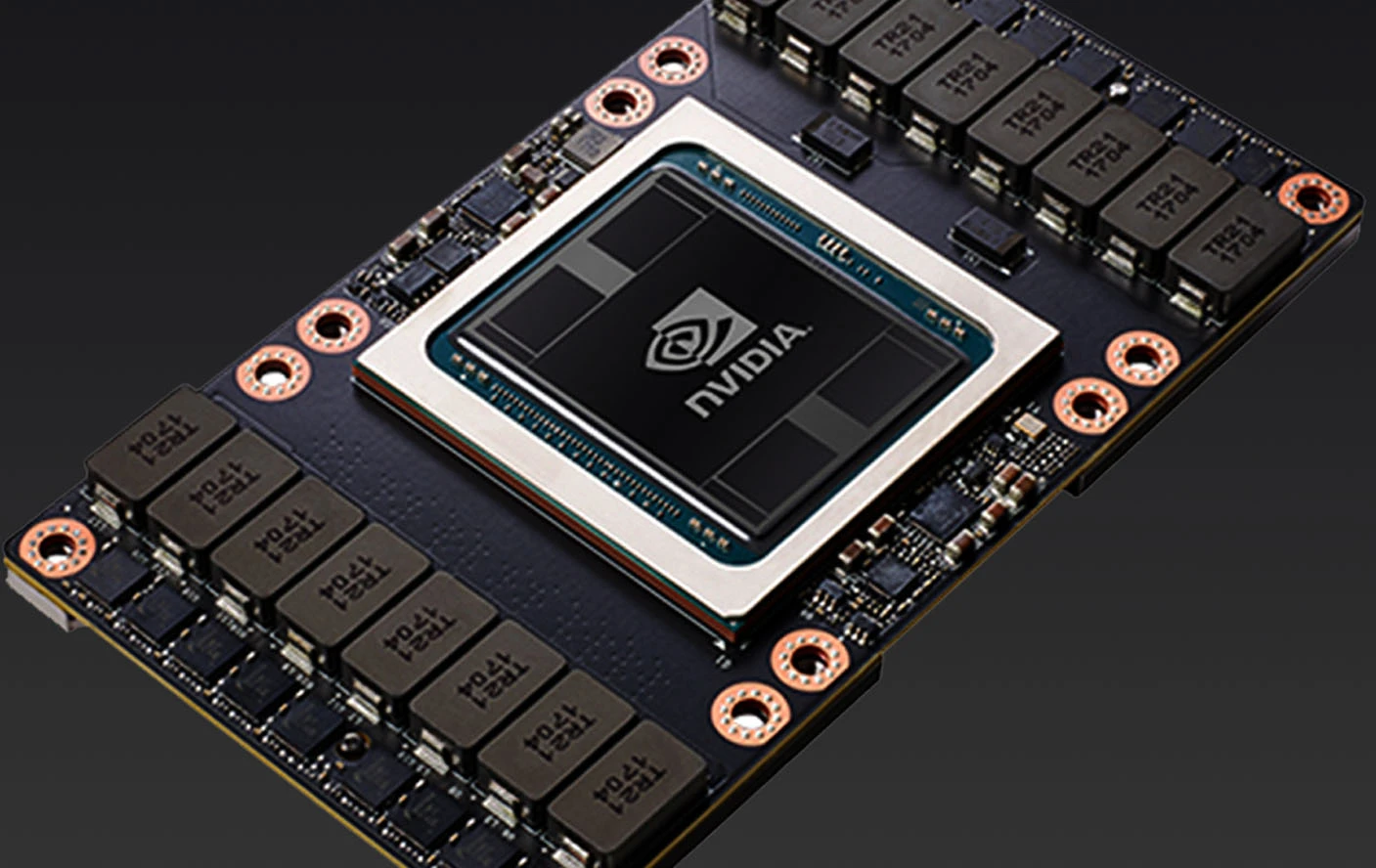
NVIDIA’s Tesla V100 is eight years old, but it may still be surprisingly useful for local AI workloads.
The data center GPU once cost more than $10,000, but the 16GB version can now be found on used markets for around $100. That makes it interesting for people who want to run local language models without paying modern GPU prices.
The V100 was part of NVIDIA’s Volta generation and was one of the first major GPUs built around Tensor Cores. Those cores were designed for AI work, which helps explain why the old card can still hold up well in modern LLM testing.
In recent testing, an NVIDIA V100 SXM2 16GB was compared with newer consumer GPUs such as the RTX 3060 12GB and Radeon RX 7800 XT 16GB. Despite its age, the V100 performed strongly.
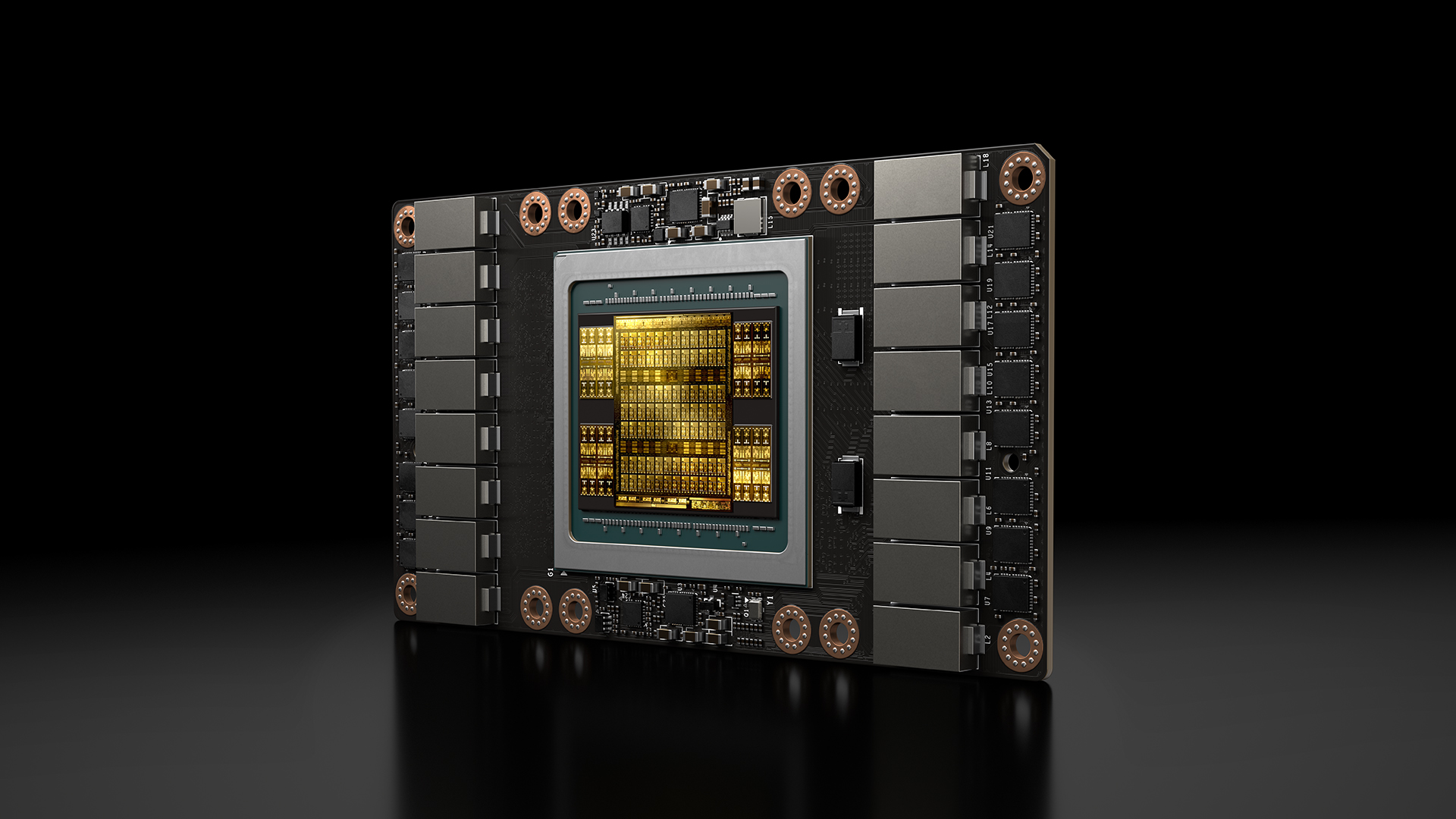
In a GPT OSS 20B test, the V100 system reached around 130 tokens per second, while the RX 7800 XT managed around 90 tokens per second. In Gemma4:e4b testing, the V100 was also around 42 percent faster than the RTX 3060 12GB.
The older card also did well in efficiency. Even with higher total power draw, it delivered better token per watt results than the RTX 3060. When both cards were tested with a 100W power limit, the V100 still came out ahead in efficiency.
| GPU | Main result in testing |
|---|---|
| NVIDIA V100 16GB | Strong LLM performance and good token per watt efficiency |
| RTX 3060 12GB | Slower than the V100 in tested LLM workloads |
| RX 7800 XT 16GB | Behind the V100 in GPT OSS 20B token speed |
The price looks great at first, but there is a catch. The cheapest V100 cards are often SXM2 models, which were made for data centers, not normal desktop PCs. They do not plug directly into a standard motherboard like a normal graphics card.
To make one work in a desktop, you need an SXM to PCIe adapter, extra power connections, and a custom cooling setup. The tested build used an adapter, a 3D printed duct, and a Noctua fan to cool the card properly.
That raised the total cost from around $100 to a little over $200. Even then, it was still cheaper than many modern consumer GPUs used for comparison.
The V100 also has limits. It is not a normal gaming card, setup is not beginner friendly, driver and compatibility work can be annoying, and cooling needs care. The 32GB version is more useful for larger AI models, but it usually costs around $400 to $500.
Still, the results are interesting. They show that older data center GPUs can remain useful long after they stop being attractive for mainstream buyers. For local AI, memory bandwidth, Tensor Core support, and VRAM can matter more than gaming performance.
For most people, a modern consumer GPU will still be easier to use. But for tinkerers who are comfortable with adapters, custom cooling, and used hardware, the V100 could be a surprisingly strong low cost AI option.


Discussion (0)
Be the first to comment.