



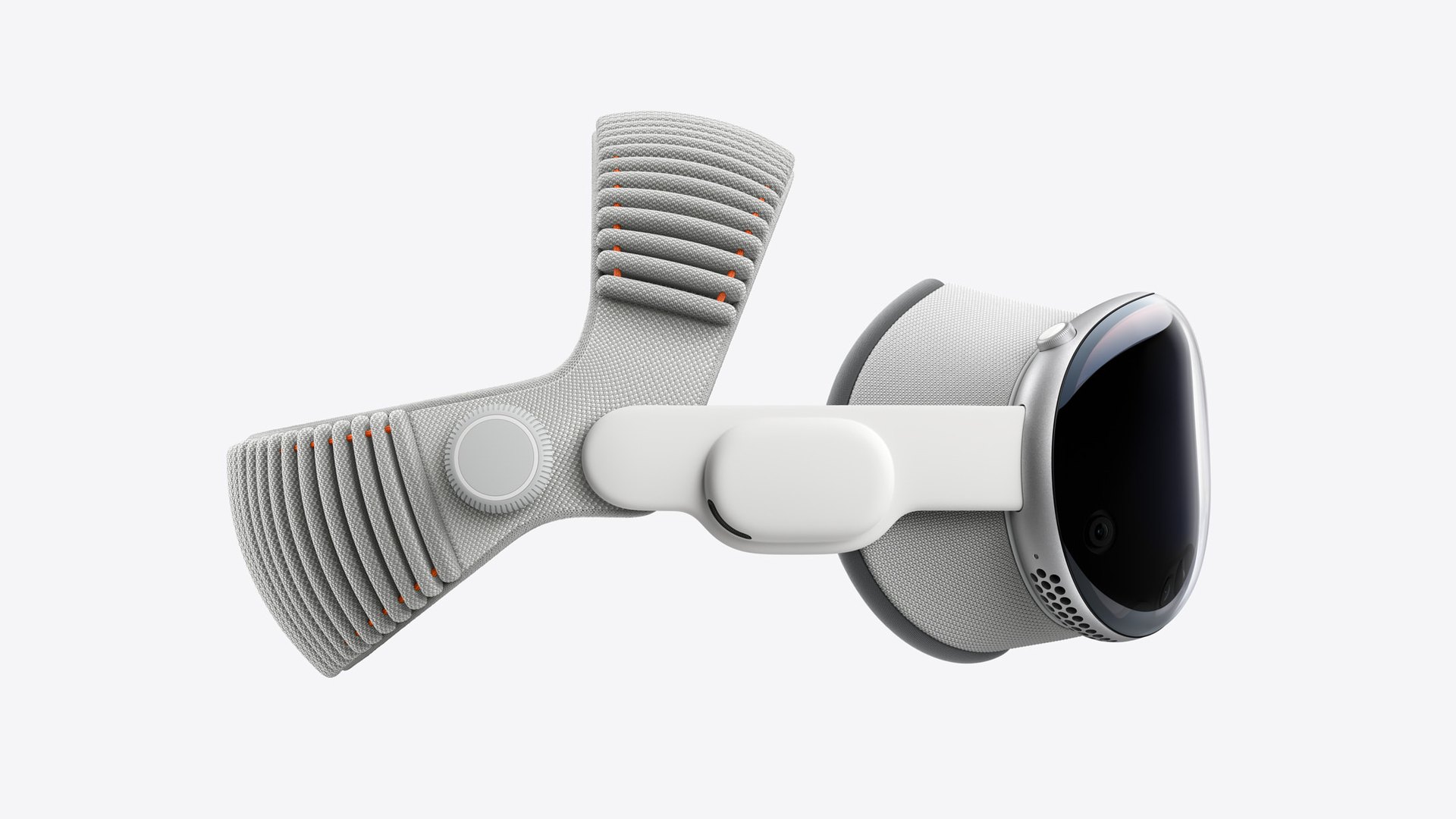
A developer says he has Valve's Half-Life: Alyx running on an Apple Vision Pro with no gaming PC attached and no streaming involved. Udi Wertheimer posted the claim on October 5, 2026, describing it as a weekend project rather than a release.

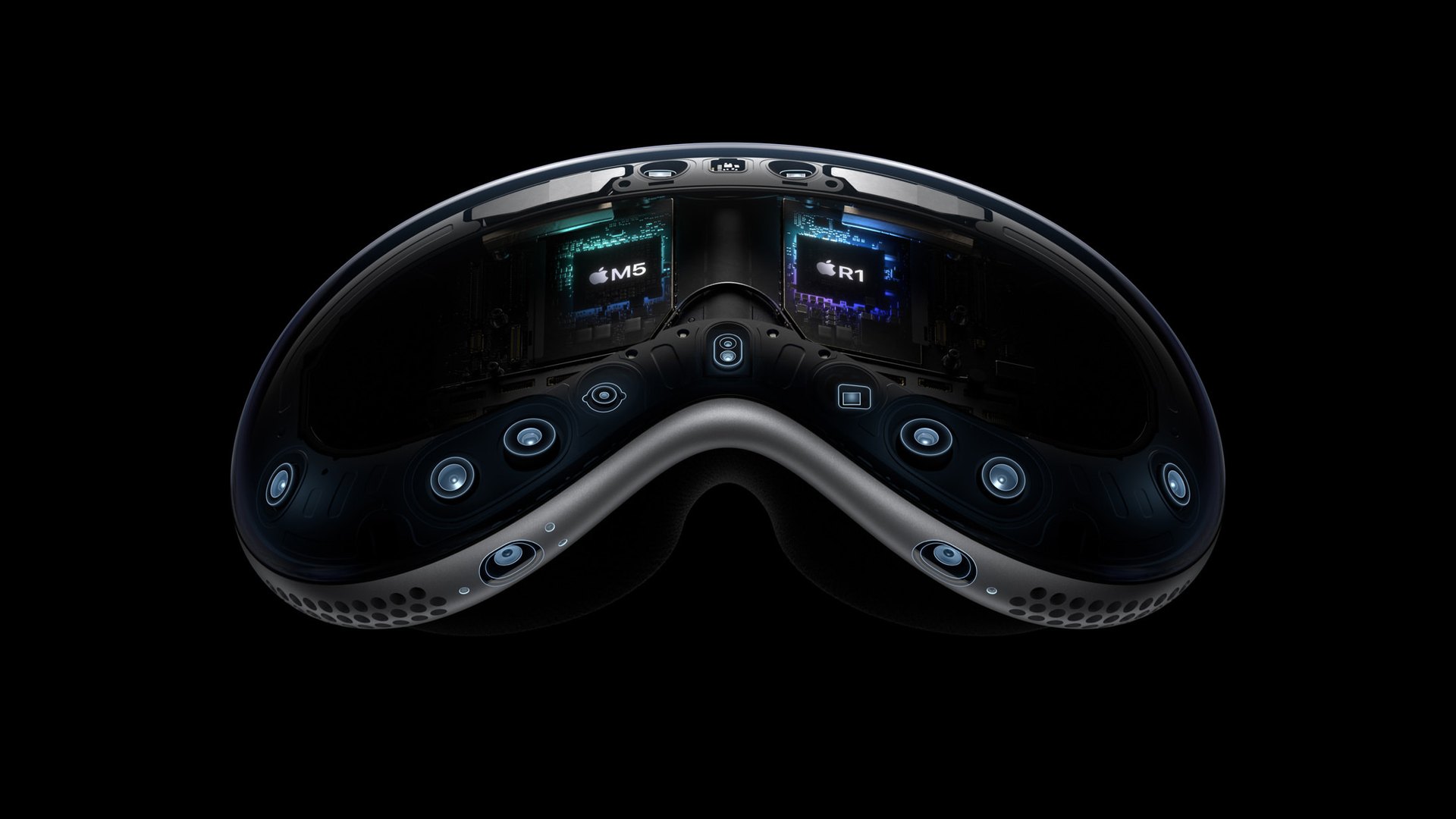
His stated figures are 3K per eye at 60 frames per second, which he says is "smoothened up to 120". He says he tested it on the M5 Apple Vision Pro, and makes no claim about the 2024 M2 model.
The distinction being made here is the whole story. Streaming a SteamVR game to a headset has been possible for years, and it proves nothing about the headset.
Why the claim is at least plausible
Valve did the hardest part of this work itself. Its own Half-Life: Alyx patch notes, published on September 16, 2026, state plainly: "Ported the game to ARM64/aarch64."
That update added Steam Frame standalone support, foveated rendering and depth reprojection. Valve says it made those optimizations "without altering any of the content" of the game.
An ARM64 build matters because Apple Vision Pro runs on Apple Silicon, which is also ARM. Valve had already proved a headset-class chip could render Alyx, and Steam Frame launched at $1,059 with that standalone build included.
The first look at that native build came even earlier, when an early hands on revealed a $60 accessory kit alongside it. Wertheimer says his Vision Pro version starts from that same ARM port.
The other half is an open-source translation layer
The second component he names is Klepton, a public MIT-licensed project from a developer posting as shinyquagsire23. It describes itself as a "JIT-less relinker and compatibility layer for running Quest/Android XR APKs on visionOS and macOS".
Klepton rewrites Android shared libraries into Apple ones, translates OpenGL ES through ANGLE's Metal backend, and routes Vulkan through MoltenVK. Its own readme lists Beat Saber, BONELAB, SUPERHOT VR, Portal and Into the Radius among the titles working on visionOS.
Half-Life: Alyx is not on that list. The repository was last updated on September 3, 2026, which is before Valve shipped the ARM64 build, so any Alyx support sits outside the published project.
There is also a gap in the described method. Valve's ARM64 build targets SteamOS, a Linux system, while Klepton bills itself as a layer for Android packages, and no published document explains the join.
The "visually indiscernible" line is one person's impression
The phrase attached to this demonstration is that it looks "visually indiscernible" from playing on a high-end PC. That wording has been attributed to Brad Lynch, who posts about VR hardware as SadlyItsBradley.
It is a subjective reaction, not a measurement. No capture, no render settings and no comparison method have been published alongside it.
The same caution applies to the frame rate figures. They are Wertheimer's own numbers, taken on his own hardware, with no frame-time data attached.
Nothing has been released, and no company is involved
Wertheimer says he intends to publish a guide and tools so other owners can build it themselves. As of October 6, 2026, his GitHub account carries no public repositories.
Klepton distributes no game content. Its build guide tells users to supply their own application packages, in its words: "Do not ask me where to get these. You supply them."
Anyone attempting this would need a Mac running Apple Silicon, Xcode and an Apple Developer account to put a build on the headset. That is a far narrower audience than the sideloading tools that have made loading apps onto Steam Frame much easier.
Neither company endorses any of this. Valve's Half-Life: Alyx store page still lists Windows 10 and SteamVR, and Apple's visionOS developer pages describe apps built in SwiftUI, RealityKit, ARKit and Unity, with no mention of Windows games or Android packages.
What is still unknown is most of it. No source says which controllers were used, how far into the game it was taken, whether saves and audio behave, or how the headset holds up thermally over a long session.
Valve has not commented, and neither has Apple. Until a build guide appears and someone else reproduces it, this remains one developer's account of a weekend experiment rather than a capability anyone can use.


Discussion (0)
Be the first to comment.