



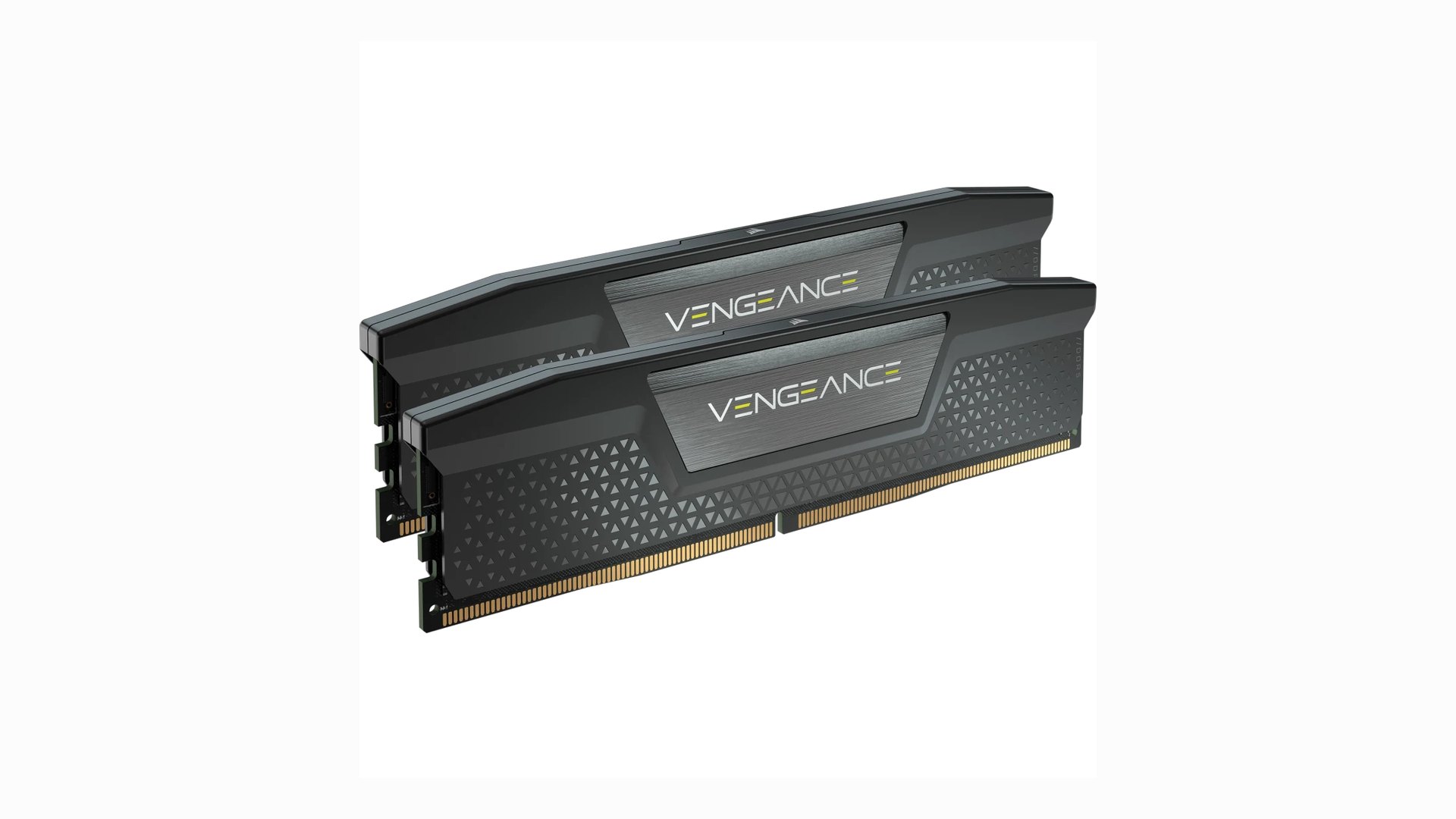
Valve's Steam Hardware & Software Survey for September 2026 lists 32GB as the most common system memory configuration among the accounts that took part, at 42.22%. That puts it ahead of 16GB, which slipped to 37.82%.
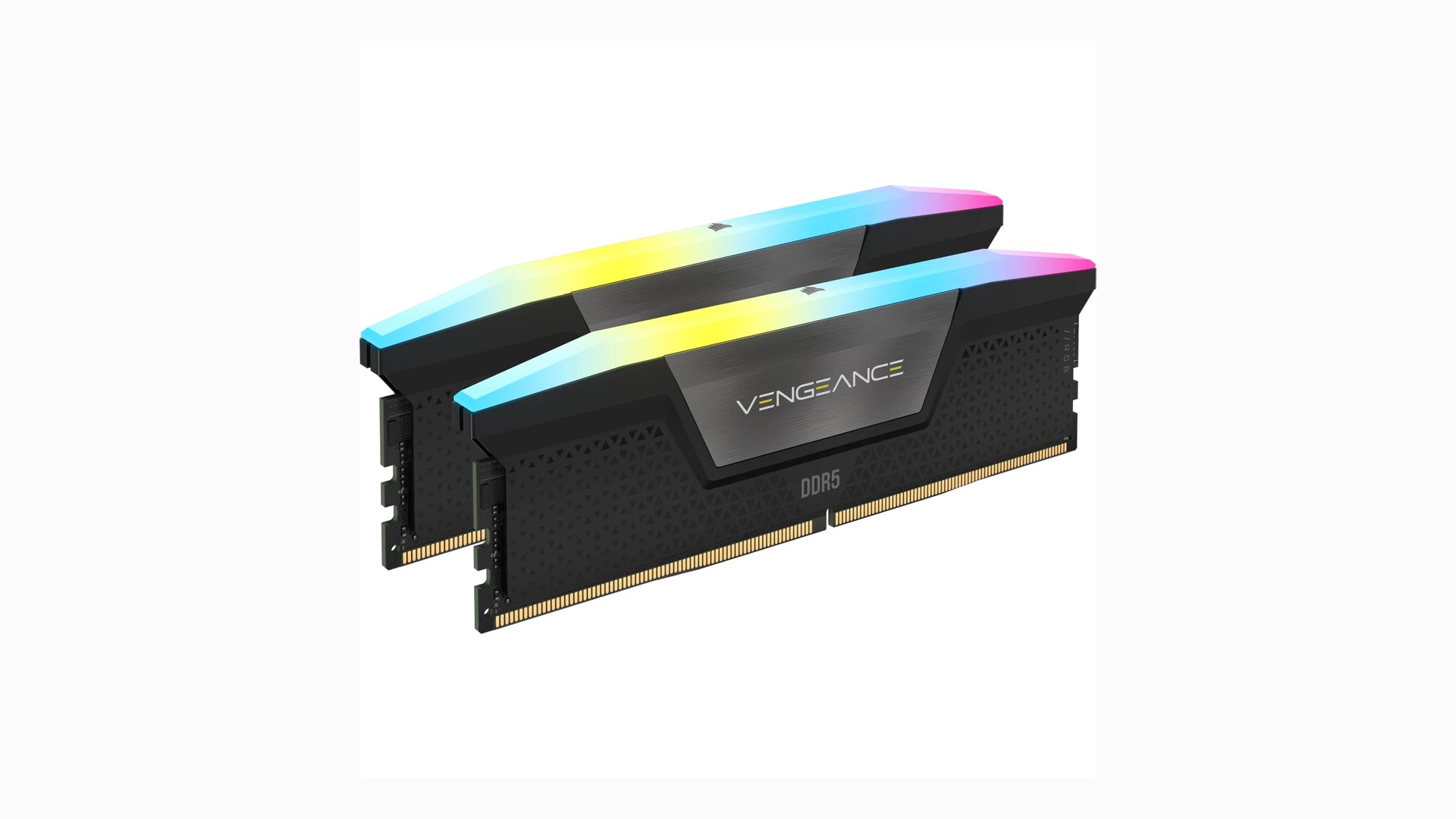
The month-over-month movement is what makes the result notable. 32GB gained 4.77 points, while 16GB gave up 3.38.
Working backwards from Valve's own change columns puts 32GB near 37.45% in August and 16GB near 41.20%. On that arithmetic this is a genuine crossover, not an existing lead getting wider.
The same September 2026 survey also moved the RTX 5070 to the top of the GPU table and put the Meta Quest 3 back on top among headsets.
The 40% claim holds up on its own terms
At 42.22%, 32GB clears 40% by 2.22 points. The threshold is not being carried by rounding.
The gap over 16GB is 4.40 points. These two figures are not close, so there is no case for calling the lead a tie.
Valve's twelve memory buckets sum to 99.99%, which is a useful sanity check that nothing is missing from the table. Below the top two, 8GB sits at 6.47% and 64GB at 3.71%.
What the survey actually counts
The survey measures Steam accounts that were asked to take part and opted in. It does not measure PCs sold, DRAM shipped or households.
Valve publishes no absolute counts next to the percentages. There is no sample size on the page and no margin of error.
That matters for a 4.77-point monthly move. Without a sample size, nothing Valve provides allows a swing that size to be tested for significance.
Valve's own language table shows how much the sample shifts
The composition of who answers changes between months, sometimes sharply, and Valve's language table records it. Simplified Chinese accounts for 31.39% of respondents in September 2026, up 7.42 points in one month.
English fell 4.05 points to 34.20% over the same period. Russian, German, French, Japanese and both Spanish entries declined as well.
Nearly every language group shrank while one grew by more than seven points. A move like that is a change in the respondent pool before it is a change in anyone's hardware.
Shared and internet-cafe installations are part of that pool in several regions, and such machines are often deployed to one standard specification across a whole venue. Valve does not break the memory table down by region or language, so how much of the 32GB figure comes from any one market cannot be established from what it publishes.
What 32GB buys a gamer right now
Published requirements give some sense of where the capacity earns its place. Microsoft Flight Simulator 2024 lists 16GB as its minimum and 32GB as its recommended figure.
Many current releases still do not ask for it. Marvel Rivals lists 16GB at both its minimum and its recommended tier.
So 32GB reads as headroom for the heaviest simulation titles rather than a floor for mainstream play. It is also a capacity that got more expensive to buy into, with DDR5 module prices climbing steeply through 2026.
What the next survey will and will not settle
Valve publishes one month of percentages at a time, with no trend line, no raw counts and no error bars. A single reading cannot show whether the crossover is durable, and the survey has produced odd single-month entries before, as when the Radeon RX 9070 XT first turned up at 1.33%.
The survey runs monthly, so the October 2026 figures are the next check on it. If 32GB holds its lead through a month when the language mix is calmer, that would be the stronger signal.
Valve has not said anything about the result beyond the table itself, and it has not indicated any change to how the survey is sampled or reported.

Discussion (0)
Be the first to comment.