



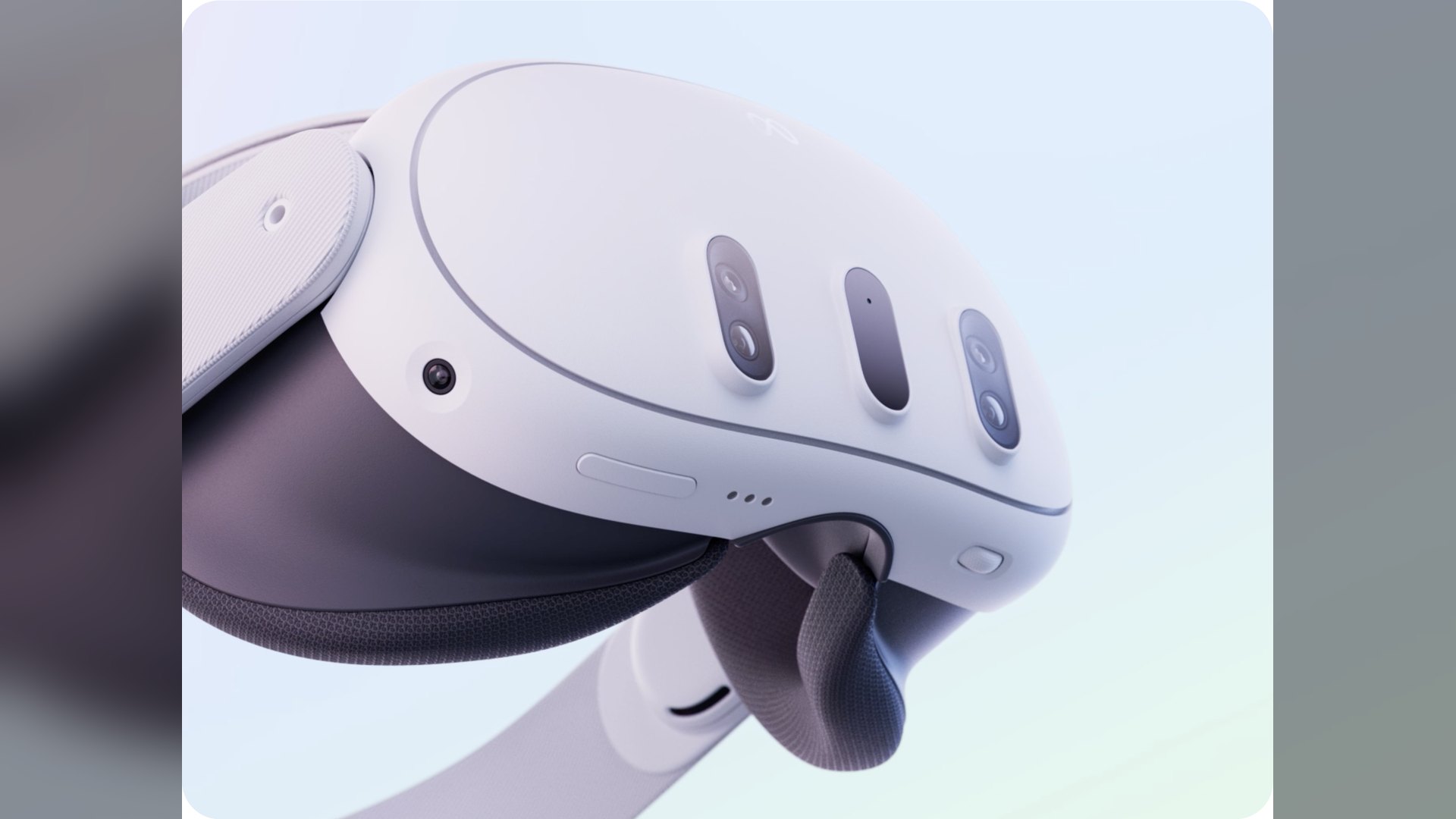
Meta's Quest 3 is back at the top of Valve's Steam Hardware & Software Survey, taking 26.90% of surveyed Steam accounts with a VR headset in the September 2026 results. It finishes 1.10 percentage points ahead of the Oculus Quest 2, which slipped to 25.80%.

Quest 3 added 0.89 points over the month while Quest 2 shed 1.17 points, the largest single drop in the VR table. Valve publishes shares only, and no absolute count of headsets or users appears anywhere in the survey.
The change is a recapture rather than a first. Valve's own VR chart, which plots April 2025 through September 2026, shows Quest 2 ahead in each of the two preceding months, at 26.66% and then 26.97%.
Quest 3's high point on that same chart is 28.63%, so 26.90% is a recovery from a dip rather than a new ceiling.
Digital Citizen has covered Valve's own VR hardware closely, from the Steam Frame launch to an iFixit teardown of the headset. This story stays with the survey's VR table.
What Valve's September 2026 VR headset table shows
| Headset | September 2026 share | Change |
|---|---|---|
| Meta Quest 3 | 26.90% | +0.89% |
| Oculus Quest 2 | 25.80% | -1.17% |
| Meta Quest 3S | 11.07% | -0.42% |
| Valve Index HMD | 10.83% | -0.25% |
| Pico 4 | 4.76% | +0.29% |
| Oculus Rift S | 3.40% | +0.01% |
| Sony PS VR2 | 2.31% | +0.07% |
| HTC Vive | 2.26% | -0.13% |
Valve Index holds fourth place at 10.83%, down 0.25 points. Windows Mixed Reality is still listed at 1.85%, Oculus Rift S at 3.40%, and Pimax, a brand built around PC VR, at 0.67%.
The broader figure moved the other way. Valve puts Steam users with VR headsets at 1.35%, down 0.14 points in the same month.
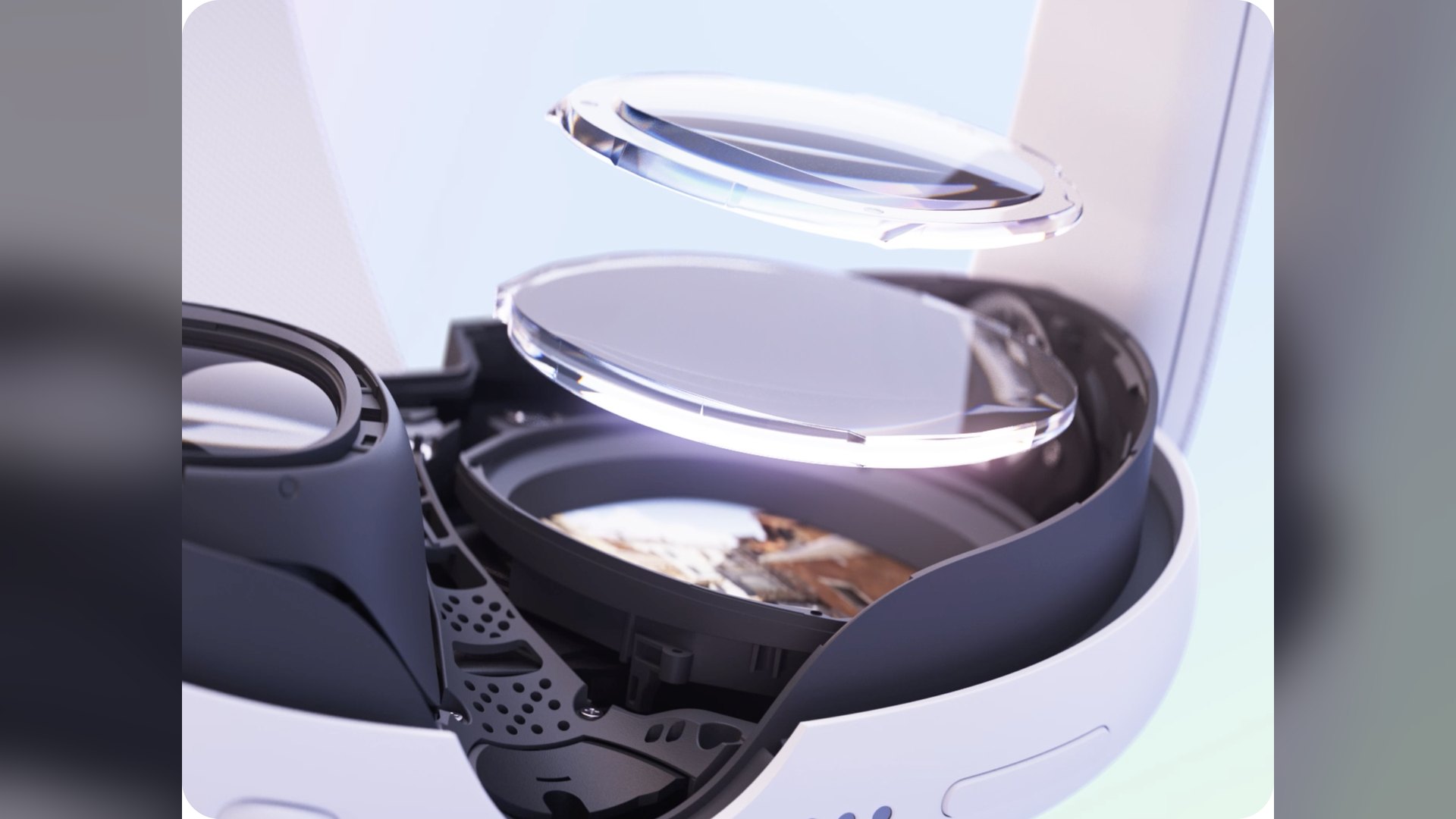
Quest 3 and Quest 3S are counted as separate lines
Valve lists Meta Quest 3 and Meta Quest 3S as two distinct entries, so the headline number covers one model rather than a family. Quest 3S sits third at 11.07%, down 0.42 points.
Added together the two come to 37.97%. That is arithmetic on Valve's rows, not a figure Valve publishes.
| Specification | Meta Quest 3 | Meta Quest 3S |
|---|---|---|
| Resolution per eye | 2,064 x 2,208 | 1,832 x 1,920 |
| Refresh rates | 72 Hz, 90 Hz, 120 Hz | 72 Hz, 90 Hz, 120 Hz |
| Field of view | 110 degrees horizontal, 96 vertical | 96 degrees horizontal, 90 vertical |
| Optics | Pancake lens, continuous IAD | Fresnel lens, 3-position IAD |
| Processor | Snapdragon XR2 Gen 2 | Snapdragon XR2 Gen 2 |
| Memory | 8 GB | 8 GB |
Those figures come from Meta's own headset comparison page. Meta's spec page for Quest 2 lists the same 1,832 x 1,920 per eye as Quest 3S, which makes Quest 3 the only one of the three above 2,000 pixels per eye.
Why these shares are not sales figures
Valve describes the exercise plainly. Steam “conducts a monthly survey to collect data about what kinds of computer hardware and software” its customers use. Valve adds that “participation in the survey is optional, and anonymous.”
That makes the VR table a share of surveyed Steam accounts with a headset detected, not a count of headsets sold. A Quest only shows up here when it is connected to a PC running Steam.
Most Quest use is standalone, through Meta's own store, and none of it reaches this survey. Meta's Quest 2 spec page frames PC play as an option, saying the headset supports connection to a gaming computer for Rift titles over a Link cable.
Meta's Quest 2 product page now states that “Meta Quest 2 is no longer available,” and points buyers to Quest 3S instead. A discontinued headset still sitting at 25.80% says something about how long tethered hardware stays plugged in.
Optional participation also means the monthly swings can reflect who answered. Quest 2 gained ground across July and August 2026 before this 1.17 point fall, which is a lot of movement for hardware that is no longer sold.
Steam Frame is not a named line yet
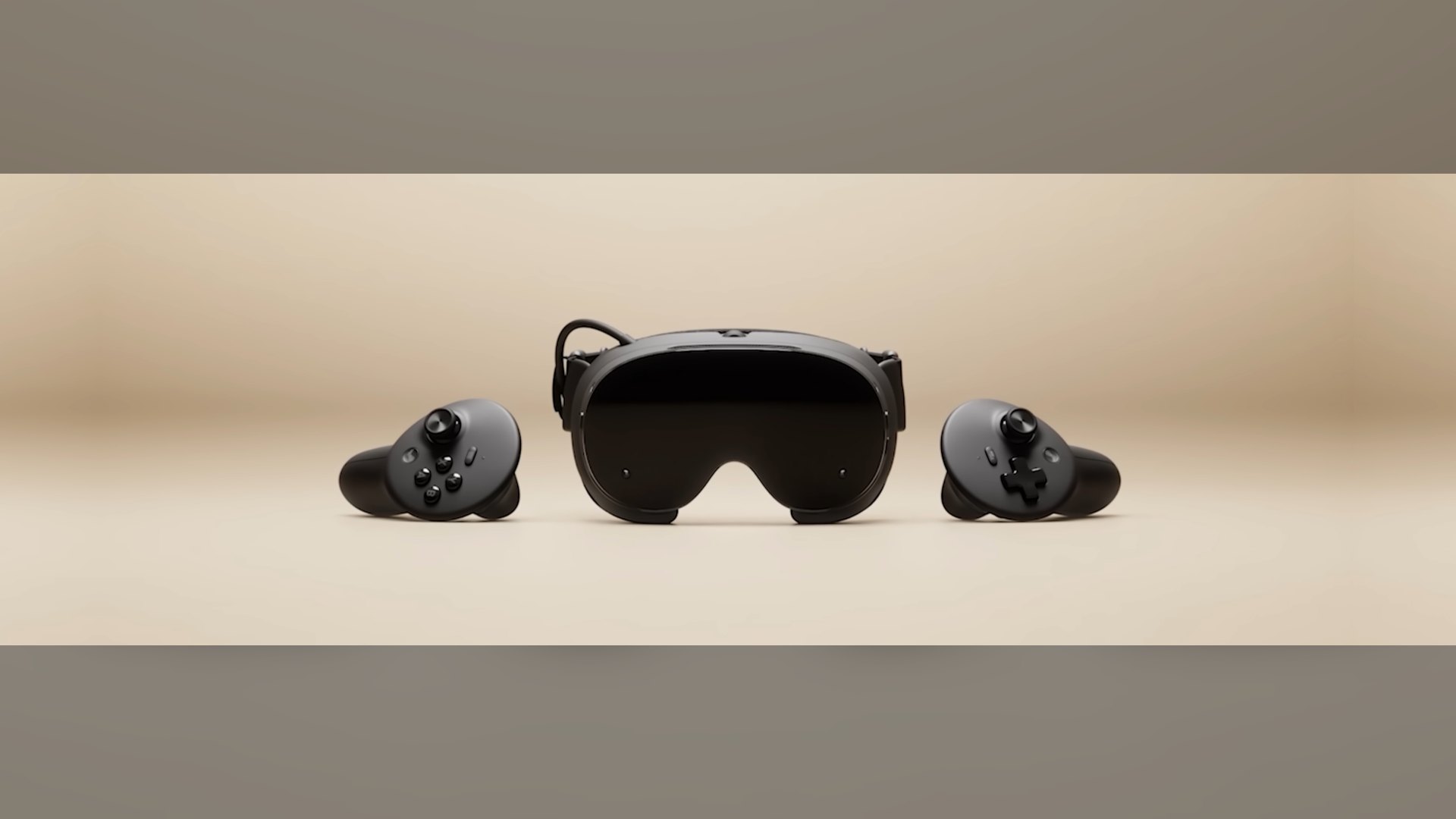
Valve's named rows run from Meta Quest 3 down to Oculus Rift DK2, and Valve Index HMD is the only Valve product among them. Steam Frame does not appear by name in the September 2026 table.
The unnamed “Other” row rose 0.69 points to 1.93%, the biggest gain anywhere in the VR table. Valve does not say what sits inside that row, so the movement cannot be attributed to any one device.
The same monthly survey also tracks graphics cards and system memory, which is where most of the attention usually goes. The VR section is the smaller story and the one that changed hands this month.
Valve does not publish the survey's sample size, its response counts, or any regional breakdown of VR use. Its Index store page listed no price or specifications at the time of writing, and the Steam Frame sale page carried none either.
These are percentages of a self-selecting sample in one month. They can move again when the October 2026 figures are posted, as the past three months have shown.
Discussion (0)
Be the first to comment.