



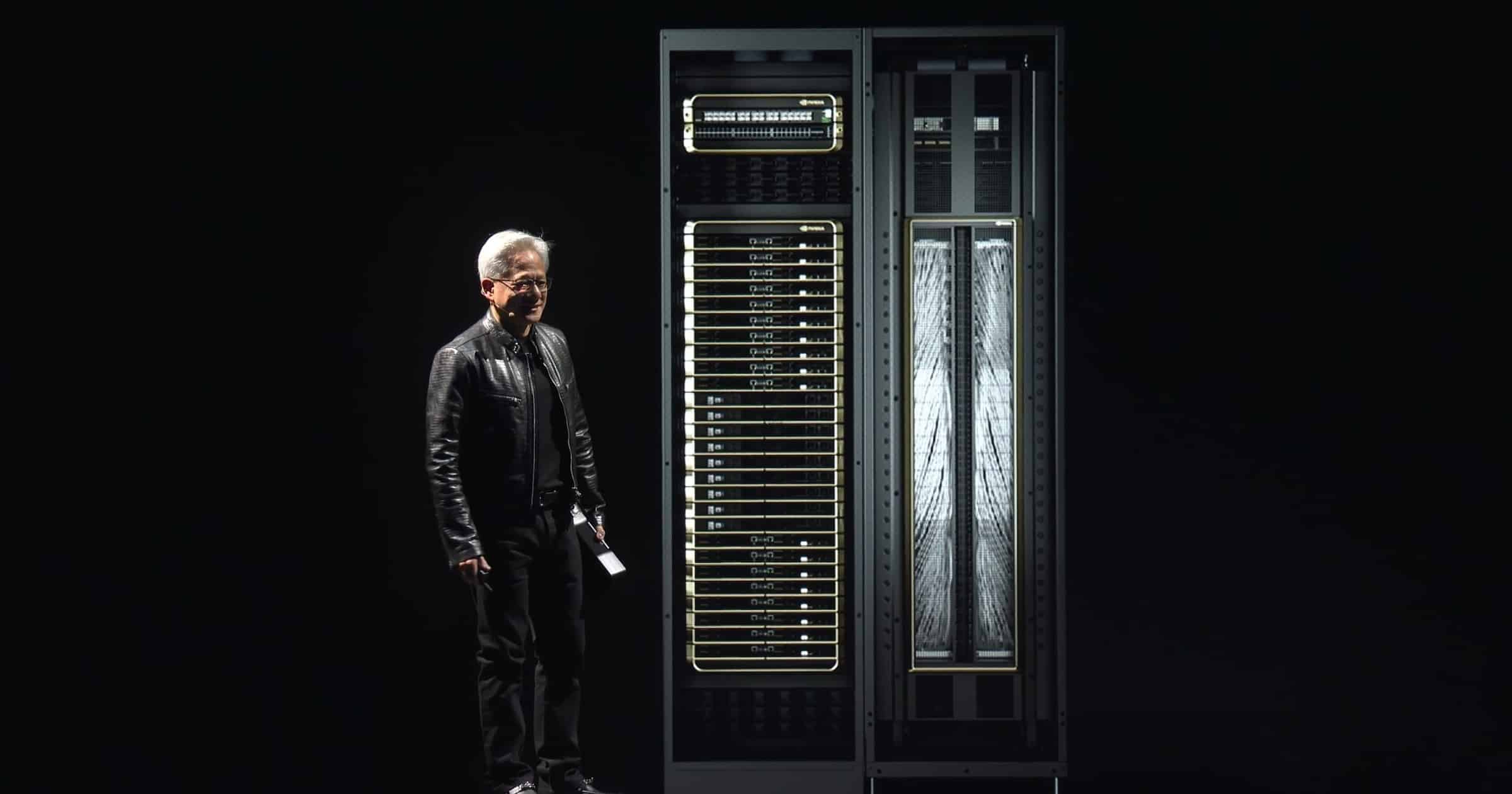
Nvidia’s upcoming Vera Rubin AI systems could become even more expensive than earlier estimates suggested, as rising HBM4 memory prices threaten to push full rack costs sharply higher. A new analyst estimate suggests that a Vera Rubin NVL72 rack could cost around $9.1 million, mainly because next generation high bandwidth memory may become far more expensive when the platform ships in volume.
The warning comes at a time when AI infrastructure demand is already reshaping the global memory market. Training and running large AI models requires massive amounts of fast memory, and that demand has made HBM one of the most important and constrained parts of the AI hardware supply chain.
Earlier estimates had placed the cost of a Vera Rubin NVL72 rack at around $7.8 million. That figure already showed a major jump in memory related costs compared with current Nvidia rack systems. However, the newer estimate argues that those numbers may rely on outdated HBM pricing and do not fully reflect where the market is heading.
The key concern is HBM4. If prices rise to around $53 per gigabyte in 2027, the memory and storage portion of a Vera Rubin rack could reach roughly $3.2 million on its own.
HBM4 could become one of the biggest cost drivers for AI racks
High bandwidth memory is not ordinary system RAM. It is stacked, advanced memory placed close to the AI accelerator to deliver the massive bandwidth needed for model training and inference. Without enough HBM, even the fastest GPU cannot reach its full potential in AI workloads.
That is why memory pricing matters so much. Nvidia’s Vera Rubin generation is expected to demand even more advanced memory than current platforms. If supply remains tight and AI demand keeps rising, HBM4 could become a major cost bottleneck.
| Area | Why it matters |
|---|---|
| HBM4 pricing | Could rise sharply as Vera Rubin ships in volume |
| Rack cost estimate | Could climb to about $9.1 million |
| Memory and storage cost | Could reach roughly $3.2 million per rack |
| Earlier estimate | Around $7.8 million per rack |
| Main pressure | AI demand and limited advanced memory supply |
The difference between the estimates comes down to memory assumptions. If HBM4 is priced closer to older levels, a lower rack price is possible. If HBM4 jumps to the newer estimate, Vera Rubin systems become much more expensive.
Nvidia may pass higher memory costs to customers
The AI hardware market is unusual because demand remains extremely strong even at very high prices. Cloud providers, hyperscalers, and AI labs are racing to build infrastructure, and many of them are willing to pay a premium for the fastest systems.
That gives Nvidia room to pass higher memory costs on to customers rather than absorbing them. If buyers still need Vera Rubin systems to stay competitive in AI, higher rack pricing may not slow demand immediately.
This is very different from the consumer PC market, where higher memory prices can quickly delay upgrades or reduce purchases. In the AI data center market, companies are spending billions because compute capacity is tied directly to AI product development, model training, and future revenue.
Still, higher rack pricing could affect margins, deployment planning, and infrastructure budgets. Even large customers may need to rethink how many racks they can buy, when they can deploy them, and how quickly they can scale.
AI demand is putting pressure across the memory industry
The report also fits a broader trend. Memory prices are rising across several segments because AI data centers are consuming more supply. HBM is the most obvious example, but DDR5 and other memory markets are also feeling pressure as manufacturers shift capacity toward higher value products.
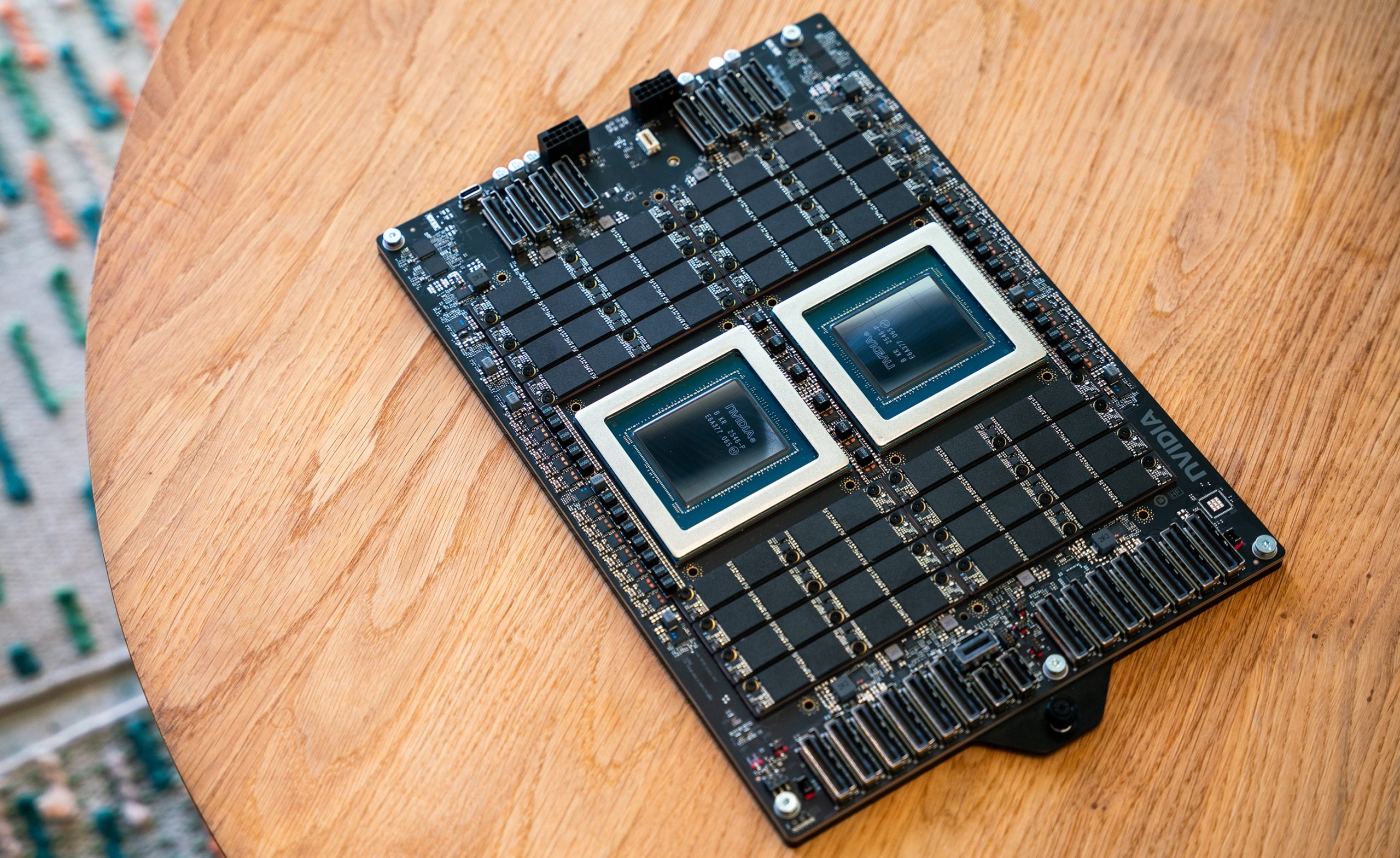
For memory makers, this is a strong business opportunity. HBM4 could become one of the most profitable parts of the AI supply chain if demand stays high and supply remains limited. For Nvidia customers, it means next generation AI systems may become even more expensive.
This also helps explain why partnerships around advanced memory are becoming more important. AI chips are no longer only about the GPU architecture. The full system depends on memory, packaging, interconnects, power delivery, cooling, and rack scale design.
Vera Rubin could test how much AI buyers are willing to pay
The Vera Rubin generation is expected to be one of Nvidia’s most important AI platform upgrades. But if the rack price reaches more than $9 million, it will also test how far customers are willing to go in the AI spending race.
So far, demand for Nvidia AI hardware has remained strong despite high prices. The reason is simple. Companies believe faster infrastructure gives them an advantage in training models, serving AI products, and reducing long term operating costs.
But rising HBM4 costs show that even Nvidia is not immune to supply chain pressure. The company may control the most important AI accelerator platform, but it still depends on memory partners and packaging capacity to deliver complete systems.
The biggest takeaway is that future AI hardware pricing may be driven as much by memory as by GPUs. If HBM4 prices triple toward the levels now being discussed, Vera Rubin racks could become far more expensive than early estimates suggested.
For now, the numbers remain projections. But the direction is clear. AI infrastructure is becoming more powerful, more memory hungry, and more expensive. Nvidia’s Vera Rubin platform may deliver a major performance leap, but that leap could come with one of the highest rack level price tags the industry has seen.



Discussion (0)
Be the first to comment.