



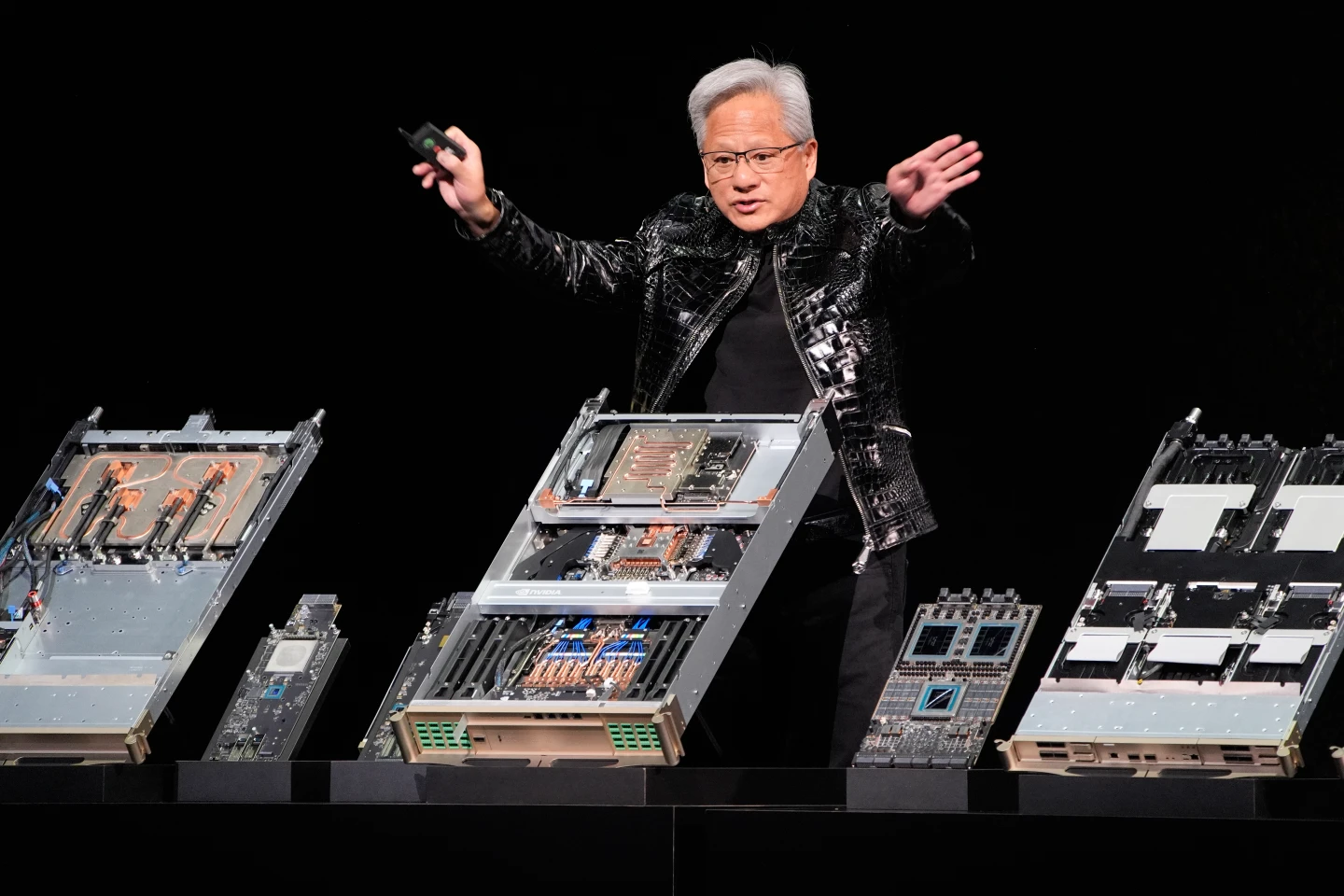
NVIDIA could raise prices for some Blackwell and Vera Rubin server systems by around 15% to 17% as memory costs continue to climb, according to multiple reports.
The increases are reportedly expected to affect systems shipping in 2027, including configurations based on Grace Blackwell 300 and Vera Rubin 200 hardware. The exact increase may vary depending on the chips used and the amount of memory installed.
NVIDIA has not publicly confirmed a broad server price increase, so the figures should be treated as reported estimates rather than official pricing guidance.
Reported NVIDIA server price increases
| Area | Reported detail |
|---|---|
| Possible increase | Around 15% to 17% |
| Products affected | Blackwell and Vera Rubin server systems |
| Expected timing | Systems shipped in 2027 |
| Examples mentioned | Grace Blackwell 300, Vera Rubin 200 |
| Main cost pressure | Higher memory prices |
| Potential data center impact | At least $5 billion more for a 1 GW facility |
| Possible downstream effect | Higher cloud service costs |
The reports suggest that some customers have already been informed about higher pricing.
The final increase could depend heavily on memory configuration, which matters because advanced AI servers use large amounts of expensive high bandwidth memory alongside other system memory.
Memory costs are becoming a larger part of AI infrastructure pricing
The wider memory market has remained tight throughout 2026.
Manufacturers have been directing more production capacity toward high bandwidth memory because demand from AI accelerators continues to grow. That shift has contributed to higher prices across several other memory categories as supply becomes more constrained.
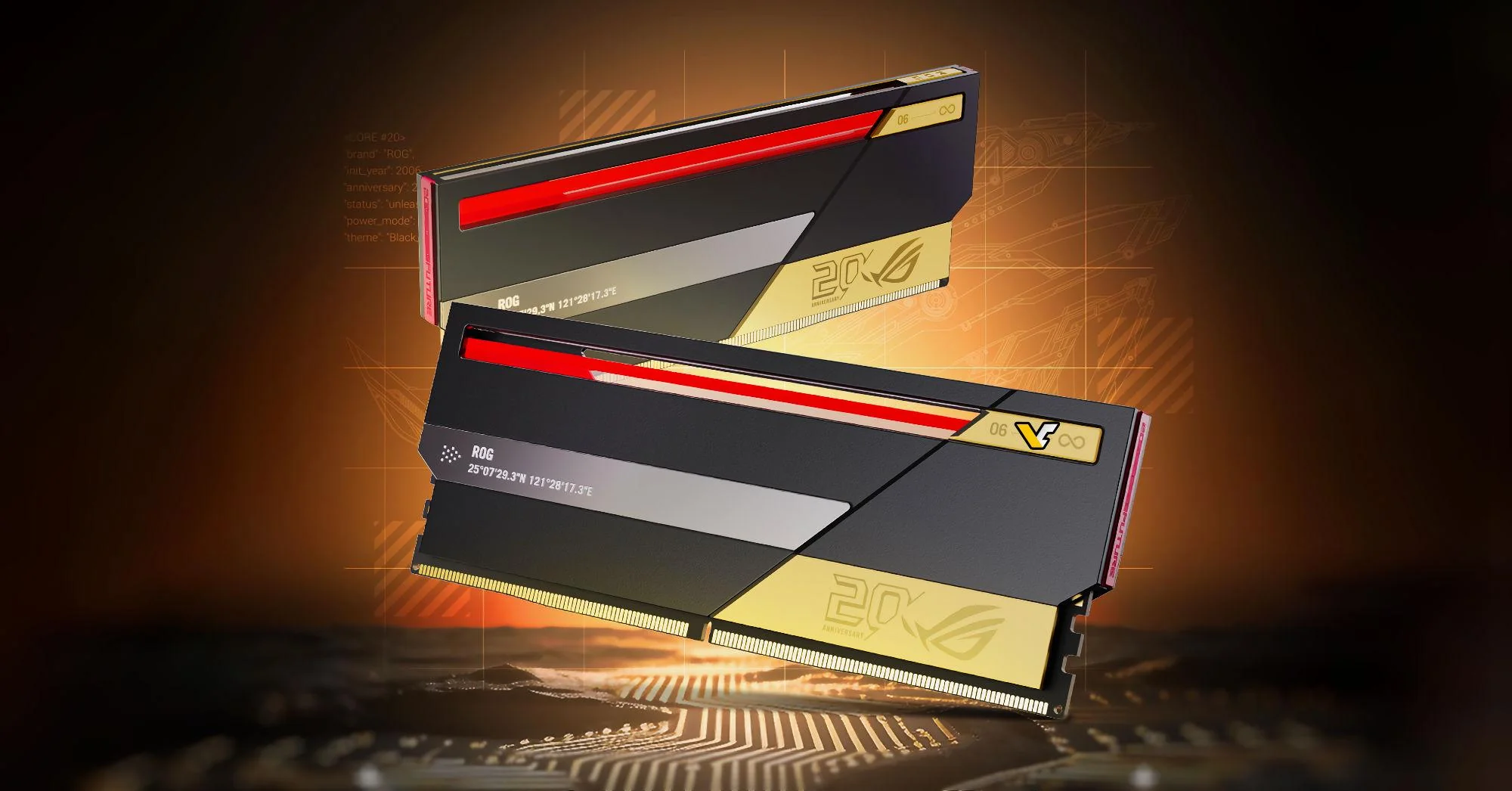
DDR4 prices have reportedly increased significantly during the year, while graphics card prices have also moved higher as GDDR6 and GDDR7 costs rise.
AI server systems face even more pressure because their total memory content is far greater than that of a consumer PC or graphics card.
That means even a moderate increase in memory pricing can have a large effect on the final cost of a fully configured rack or data center.
One gigawatt AI data center could cost billions more
One of the reports estimates that higher NVIDIA system prices could increase the cost of building a one gigawatt AI data center by at least $5 billion.
That figure illustrates how small percentage changes become substantial once infrastructure reaches hyperscale.
Modern AI facilities can contain thousands of accelerators, networking systems, storage platforms and large amounts of memory.
A 15% or 17% increase at the server level can therefore translate into several billion dollars of additional capital spending for large deployments.
Cloud customers could eventually pay more
The reports also suggest that cloud operators may pass part of the higher hardware cost on to their customers.
That could affect the price of renting GPU capacity for AI training, inference and agentic workloads.
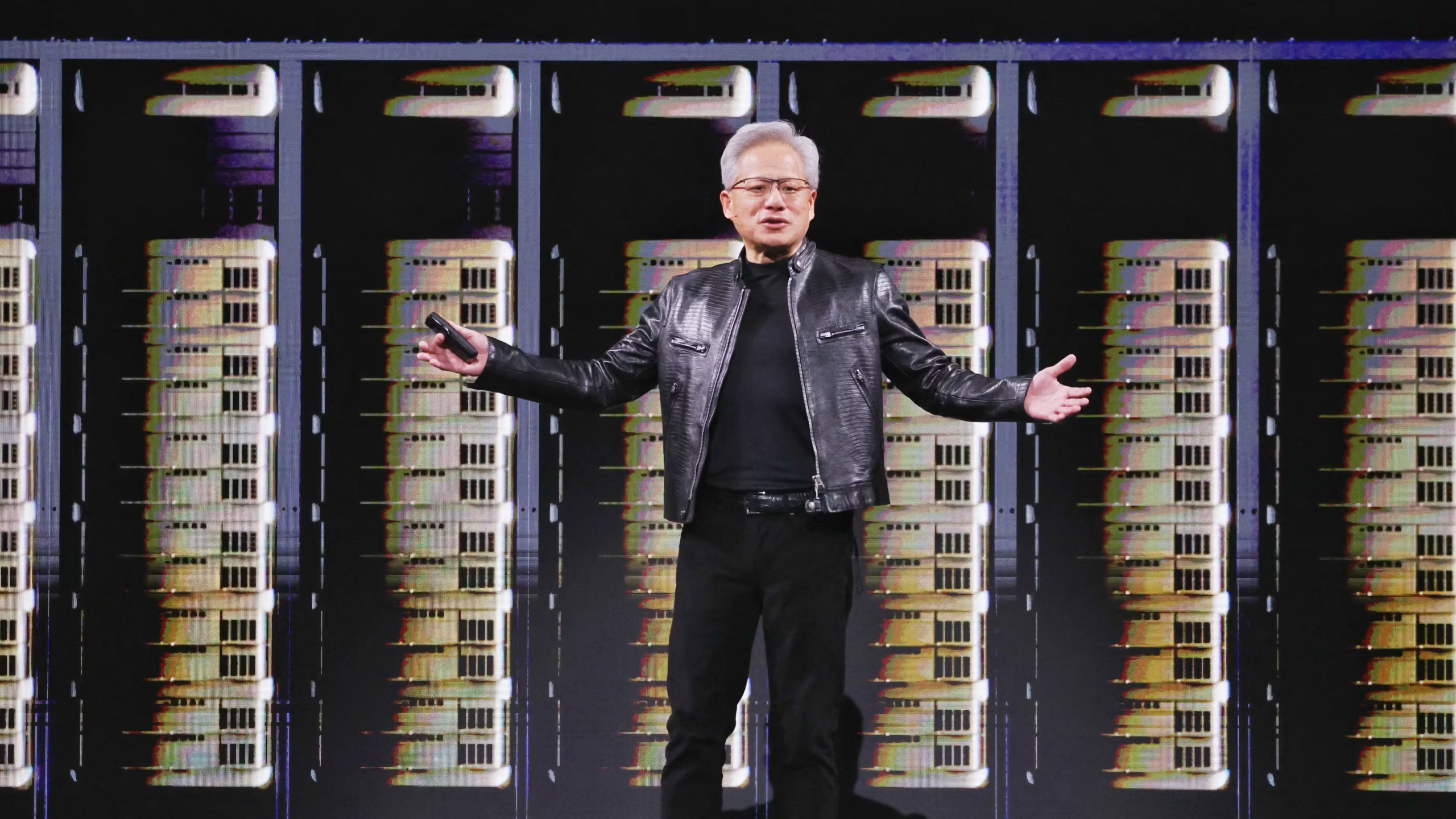
Cloud providers typically absorb some hardware pricing changes through longer depreciation cycles and efficiency improvements, but sustained increases in accelerator and memory costs could eventually appear in service pricing.
The impact would depend on competition, utilization rates and how much of the increase providers choose to absorb.
Consumer GPU prices have already moved higher
The reported server increases follow a year of rising graphics card prices.
NVIDIA and AMD board partners have already raised prices on several consumer GPU families, while some individual cards have moved far above their original launch prices.
The RTX 5060 Ti 16GB, for example, was recently reported at a median price of about $805, roughly 88% above its launch MSRP.
That does not mean server pricing will follow the exact same pattern, but both markets are being affected by the same underlying memory supply pressures.
If the reported 15% to 17% increase reaches Blackwell and Vera Rubin systems in 2027, memory costs could become an even larger factor in the total cost of expanding AI infrastructure.


Discussion (0)
Be the first to comment.