



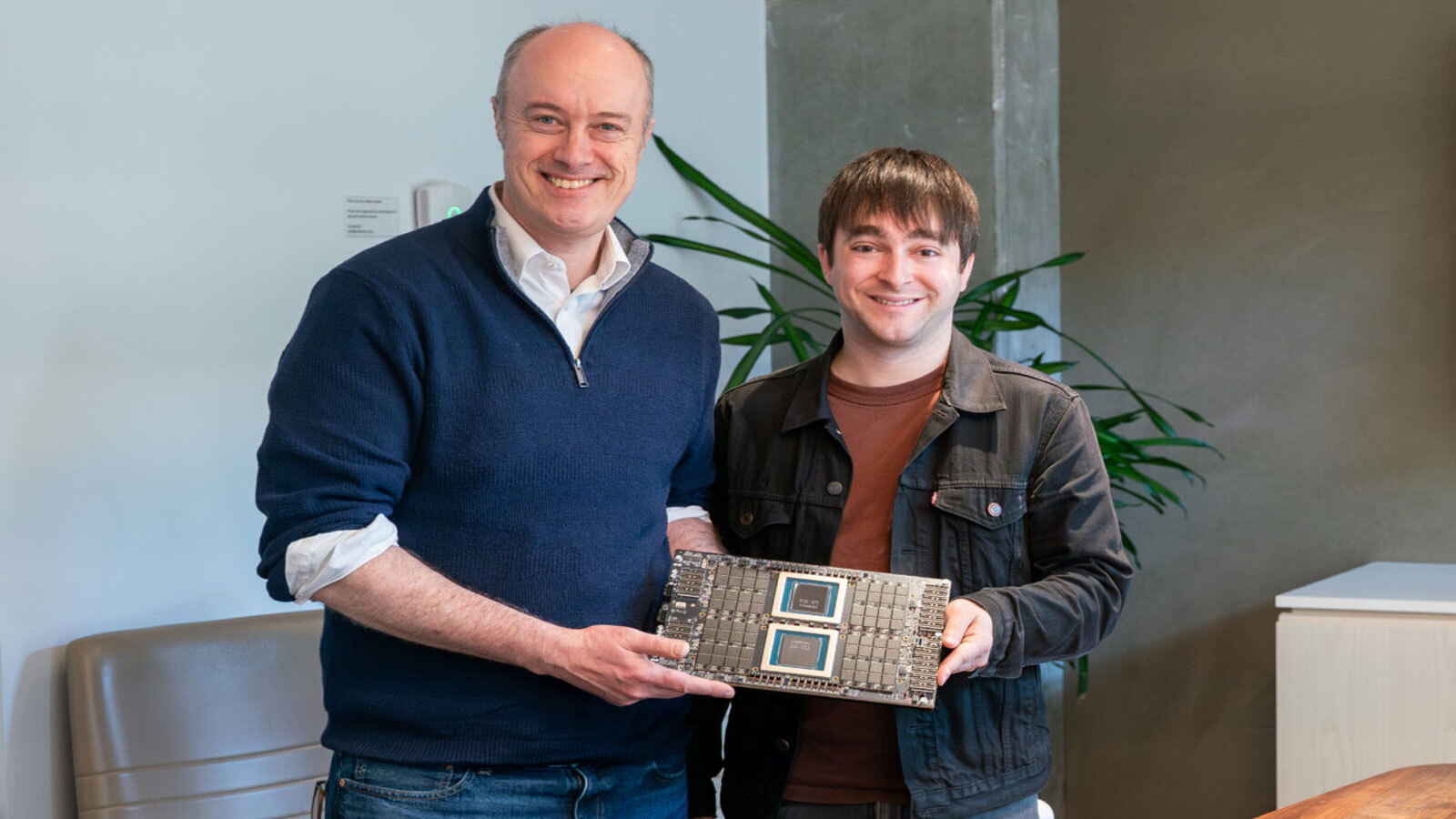
NVIDIA has started delivering its first Vera CPUs to major AI companies, marking an important step in the company’s next data center platform. The first racks have gone to Anthropic, OpenAI, SpaceX, and Oracle Cloud, with NVIDIA positioning Vera as a processor built for the agentic AI era.
Vera is the successor to Grace and is NVIDIA’s first custom CPU designed around large scale AI workloads. It is not meant to replace GPUs. Instead, it is built to handle the CPU heavy parts of modern AI systems, including orchestration, tool calling, reinforcement learning tasks, data analytics, agent sandboxing, and long context state management.
That matters because agentic AI systems are more complex than simple chatbot requests. They may need to plan tasks, call tools, hold more context, manage different agents, and coordinate data across many systems. NVIDIA is betting that those workloads will need powerful CPUs alongside its GPUs.
| NVIDIA Vera detail | Information |
|---|---|
| CPU role | Built for agentic AI workloads |
| First customers | Anthropic, OpenAI, SpaceX, and Oracle Cloud |
| Architecture | Custom Arm design called Olympus |
| Cores and threads | 88 cores and 176 threads |
| Memory | Up to 1.5TB system memory |
| Memory bandwidth | 1.2TB per second with LPDDR5X |
| Interconnect | 1.8TB per second NVLink C2C |
| Platform use | Standalone LPX servers and Vera Rubin NVL72 racks |
NVIDIA’s Ian Buck personally delivered the first Vera racks. The deliveries started at Anthropic’s San Francisco office, then moved to OpenAI’s Mission Bay headquarters and SpaceXAI in Palo Alto. Oracle received its rack at the company’s AI Customer Excellence Center.
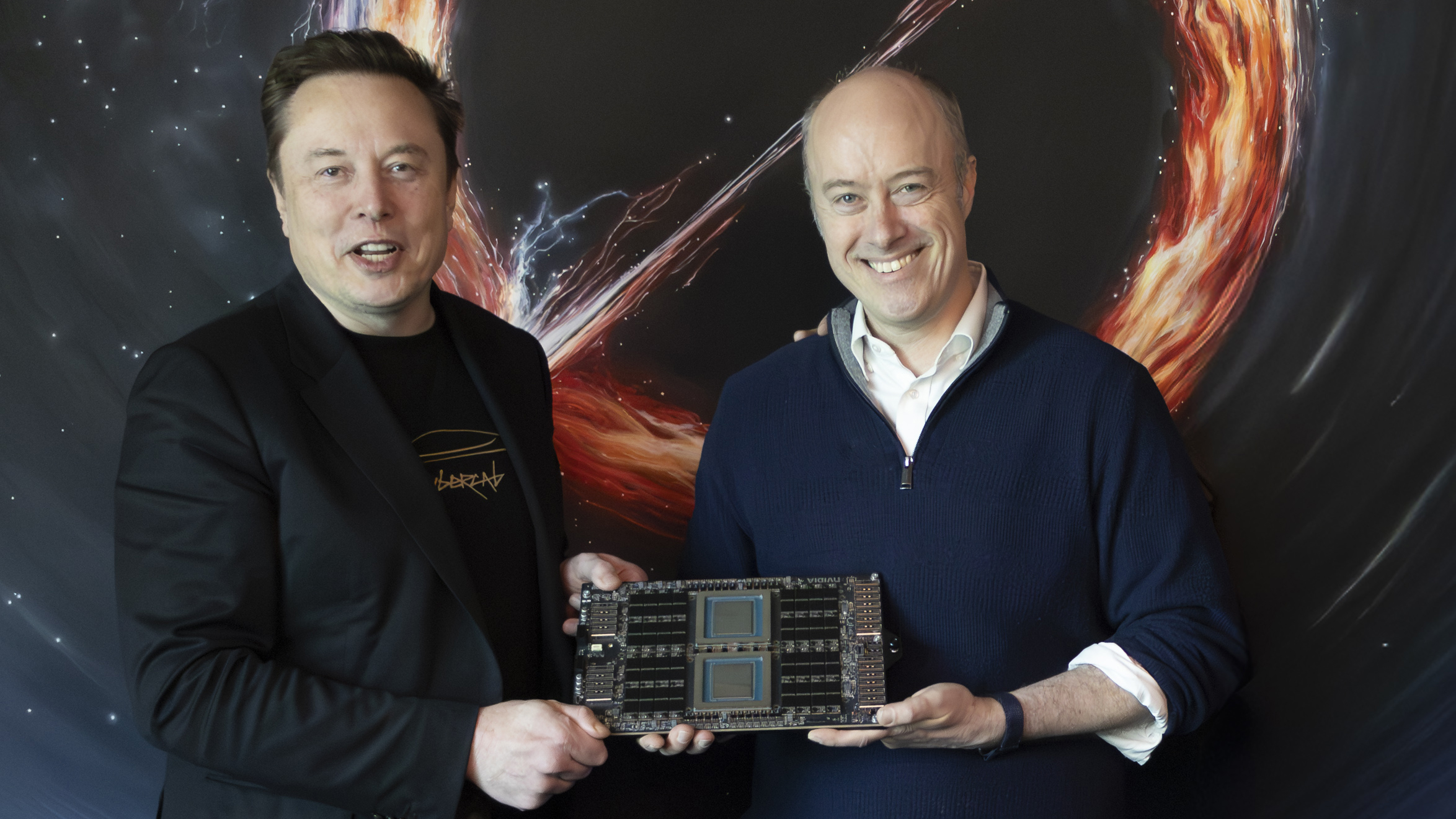
The technical side is also notable. Vera uses 88 NVIDIA Olympus cores and supports 176 threads through NVIDIA Spatial Multi Threading. It also supports rack scale confidential compute and up to 1.5TB of system memory, which NVIDIA says is three times Grace.
The CPU uses LPDDR5X memory, which is unusual for data center processors. NVIDIA says this helps Vera deliver strong performance per watt. The company is also expected to ship Vera as a standalone CPU, not only as part of the larger Vera Rubin platform. That could create another major business line for NVIDIA beyond GPUs.
Vera is designed to work with NVIDIA’s next Rubin GPU platform. Together, Vera and Rubin will power NVIDIA’s next generation AI racks. Vera will act as the host processor in Vera Rubin NVL72 racks and will also be used in standalone LPX servers.
NVIDIA says Vera can deliver twice the data processing, compression, and CI/CD performance of Grace. That could make it useful for AI labs and cloud providers that need more CPU performance to keep AI systems moving efficiently.
The wider supply chain impact could be significant. Because Vera uses large amounts of LPDDR5X memory, demand for that type of DRAM may rise sharply. If Vera Rubin ramps quickly, it could put more pressure on memory supply at a time when AI hardware demand is already tight.
This launch also shows how NVIDIA is expanding its control over the full AI system. The company is no longer only selling GPUs. It is building CPUs, interconnects, server platforms, and software around the entire AI data center.
For companies building large agentic AI systems, Vera gives NVIDIA a stronger answer to one growing problem: GPUs may do the heavy model work, but CPUs still manage much of the surrounding logic, data movement, and coordination. Vera is NVIDIA’s attempt to make that part of the AI stack faster and more efficient.
The first deliveries are only a small start. More Vera shipments are expected in the coming quarters, and the larger Vera Rubin platform is set to become one of NVIDIA’s most important AI products as agentic workloads grow.



Discussion (0)
Be the first to comment.