



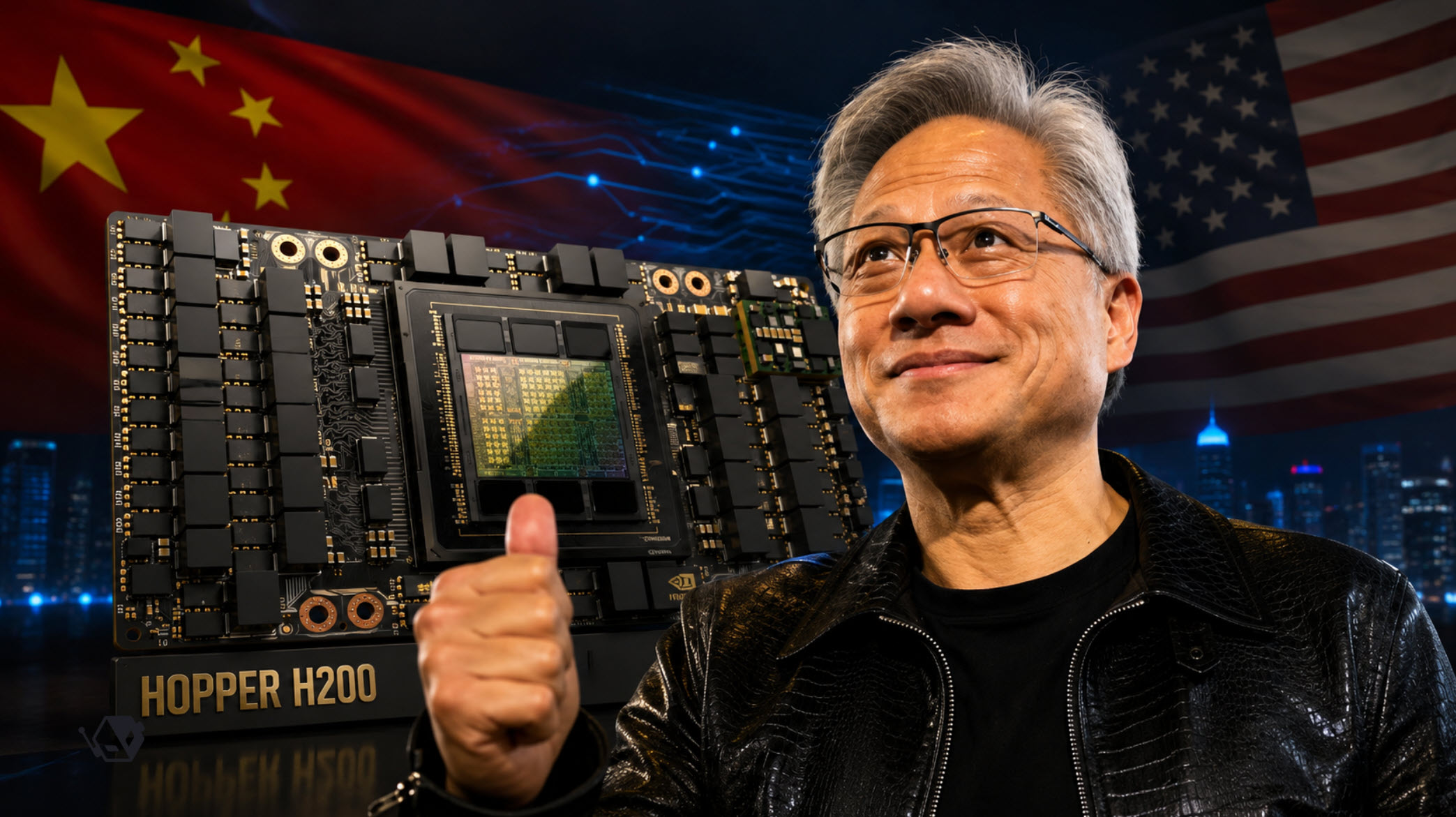
Nvidia says it prepared early for the current memory shortage, while other companies are now struggling with higher prices and tighter supply. Nvidia CFO Colette Kress said the company expected memory prices to rise and had already placed orders well ahead of the market crunch.
This is not fully repeated news. It connects to the earlier Micron story about HBM, DRAM, and NAND shortages lasting beyond 2026, but this one gives Nvidia’s side of the memory crunch. The new angle is that Nvidia says it anticipated the price surge and worked directly with memory suppliers before rivals reacted.
Nvidia’s AI plans depend on locking down memory before everyone else needs it
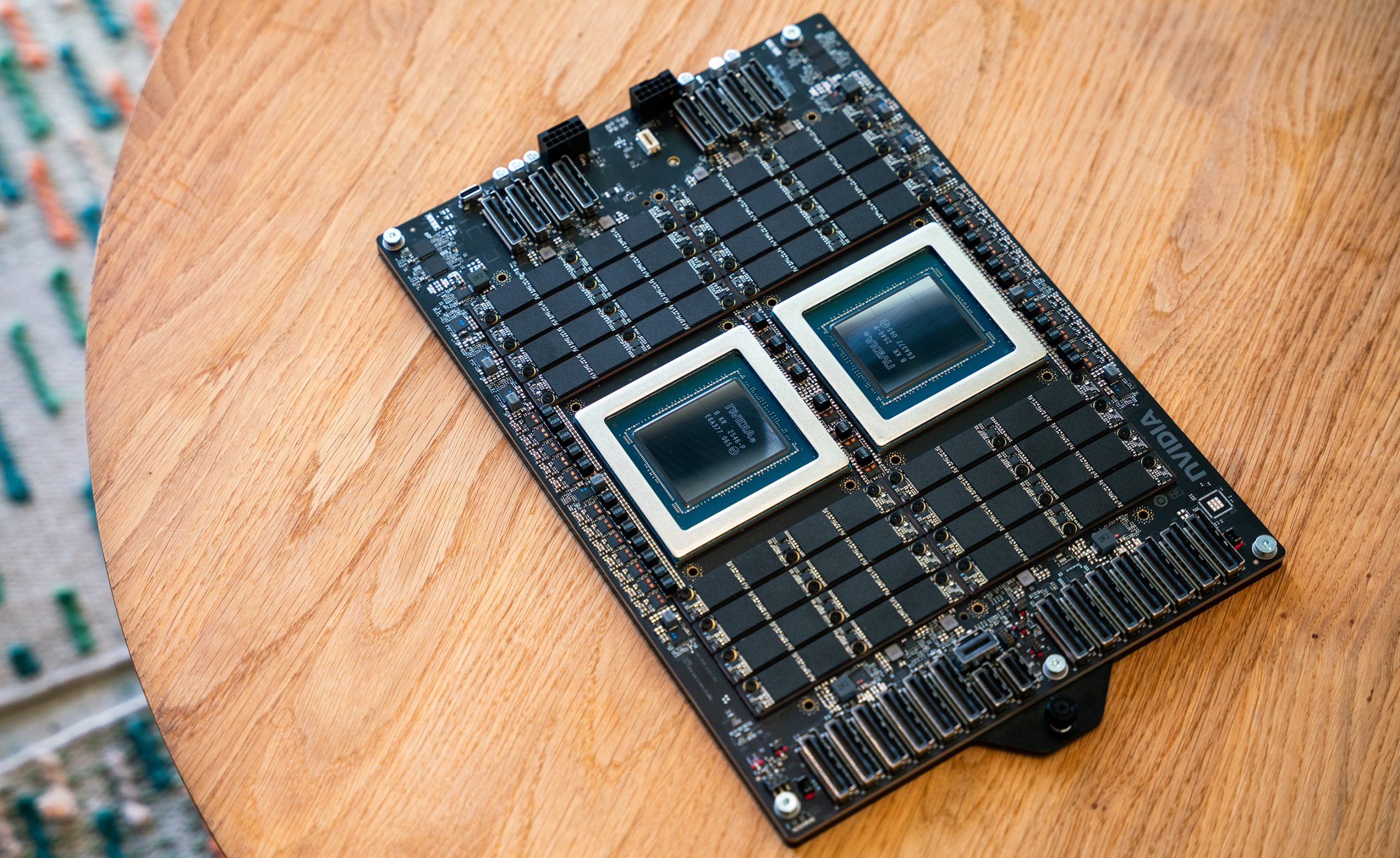
The memory shortage is being driven largely by AI hardware demand. Modern AI GPUs need high bandwidth memory, or HBM, but the pressure does not stop there. AI systems also need DDR and LPDDR memory, and because these memory types rely on overlapping manufacturing capacity, heavy HBM demand can reduce available supply elsewhere.
| Memory pressure point | Why it matters |
|---|---|
| HBM | Needed for AI GPUs and accelerators |
| DDR | Used in servers, PCs, and AI systems |
| LPDDR | Expected to be heavily used by future AI platforms |
| Supplier capacity | Memory makers cannot expand output instantly |
| Price impact | Higher AI demand pushes prices up across the market |
Kress said some companies are now reacting with surprise as memory prices rise, but Nvidia expected this shift. Her point was that companies should have ordered memory much earlier if they knew they would need it during the AI boom.
The report says Nvidia’s Rubin AI platform alone could require more LPDDR memory in 2027 than Apple and Samsung combined. That figure shows why Nvidia cannot treat memory as a normal off the shelf purchase. Its future AI systems need so much memory that supply planning has to happen far in advance.
Kress also said Nvidia is not only buying ready made memory products. Instead, it is working directly with all three major memory suppliers to design memory around its platforms. That gives Nvidia more control over supply, performance, and timing.
This approach matters because AI chips are no longer limited by compute alone. Memory bandwidth, capacity, packaging, and supply are now just as important. A company can design a powerful accelerator, but if it cannot get enough HBM or related memory, it cannot ship systems at the scale customers want.
The shortage is already reshaping the industry. Memory makers are benefiting from higher demand. Some workers at companies such as SK hynix have received large bonuses, while Samsung has faced employee unrest around compensation. At the same time, PC and consumer hardware markets are feeling pressure from higher DDR and graphics memory costs.
Nvidia’s position gives it an advantage. Its huge AI demand makes it one of the most important customers for memory makers, which likely helps it secure supply earlier than smaller rivals. But it also shows how much influence Nvidia now has over the broader component market. When Nvidia needs enormous amounts of memory, the rest of the industry can feel the squeeze.
For consumers, this means memory price pressure may not ease quickly. AI demand is pulling supply toward data center products, while PCs, GPUs, laptops, and other devices still need the same underlying memory ecosystem.
The key point is simple. Nvidia says it prepared early, while others are now facing the consequences of a supply crunch they should have seen coming. That does not solve the shortage for the wider market, but it explains why Nvidia may be better positioned than many competitors as AI hardware demand keeps rising.

Discussion (0)
Be the first to comment.