



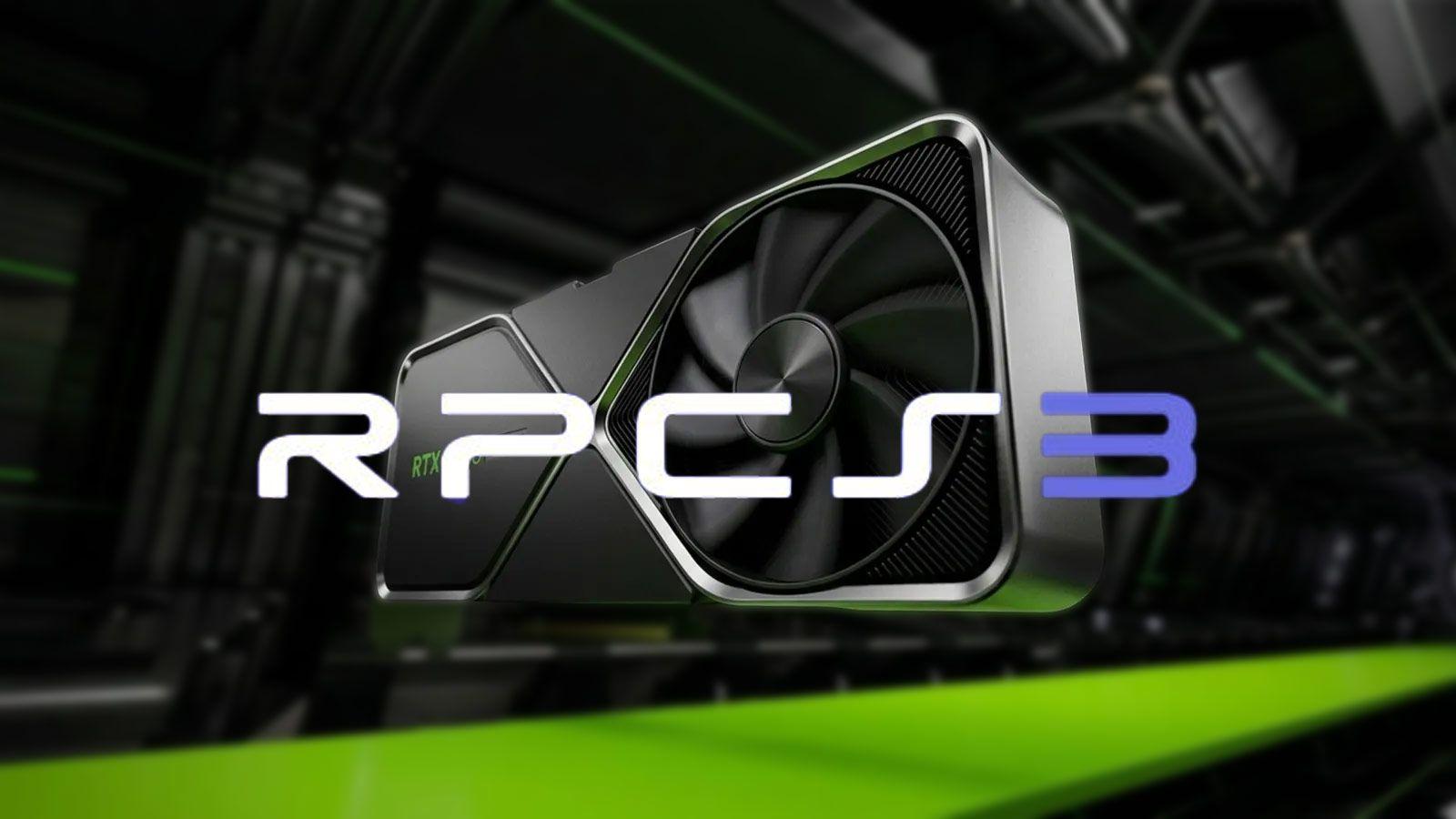
NVIDIA's next generation GeForce RTX 60 series is now rumored to arrive in 2028, which would create a longer gap between major consumer GPU generations than usual.
The upcoming family is expected to use NVIDIA's Rubin architecture and carry GR20 series GPU codenames. However, no official launch date has been announced, and current information should still be treated as a rumor rather than a confirmed roadmap.
The latest claim points to 2028 as the likely launch window, while discussions around an RTX 50 SUPER refresh also appear to have quieted.
RTX 60 timing remains uncertain
NVIDIA has changed product plans close to launch in the past, which makes long range GPU schedules difficult to treat as final.
That is especially relevant here because the reported RTX 60 launch is still more than a year away.
There is currently no indication that board partners are preparing RTX 60 products, which suggests development has not yet reached the stage where a near term launch would normally be expected.
| GeForce generation | Architecture | Launch year |
|---|---|---|
| RTX 20 | Turing | 2018 |
| RTX 30 | Ampere | 2020 |
| RTX 40 | Ada Lovelace | 2022 |
| RTX 50 | Blackwell | 2025 |
| RTX 60 | Rubin | Rumored for 2028 |
A 2028 release would place roughly three years between the RTX 50 and RTX 60 generations.
That would be longer than the two year gaps seen between several earlier GeForce families, although the move from RTX 40 to RTX 50 had already stretched beyond that older pattern.
Memory prices could be a major factor
One reason a later launch would make sense is the current state of memory and component pricing.
RTX 50 graphics cards are already facing higher retail prices in several markets, while memory shortages and broader component costs are putting pressure on the entire PC hardware industry.
Launching a completely new GPU generation during a period of constrained memory supply could result in limited availability and prices well above recommended levels.
That would create the risk of another launch where products technically reach the market but remain difficult for normal buyers to purchase at expected prices.
Waiting until supply conditions improve could give NVIDIA a better chance of launching the RTX 60 family with broader availability.
RTX 50 SUPER plans also appear uncertain
There had previously been discussion around possible RTX 50 SUPER models.
Those cards were expected to refresh the existing Blackwell lineup before the full Rubin generation arrived.
For now, those discussions appear to have slowed, and there is no confirmed launch schedule for the SUPER family either.
That leaves the current RTX 50 lineup as NVIDIA's main consumer GPU offering for the foreseeable future.
Whether the SUPER refresh eventually returns may depend heavily on memory supply and manufacturing economics.
Memory shortages may not improve quickly
Predictions about the memory market remain mixed.
Some hardware companies expect pricing pressure to begin stabilizing during 2027 and return closer to normal conditions in 2028.
Other forecasts suggest DRAM shortages and high memory prices could remain a problem much longer.
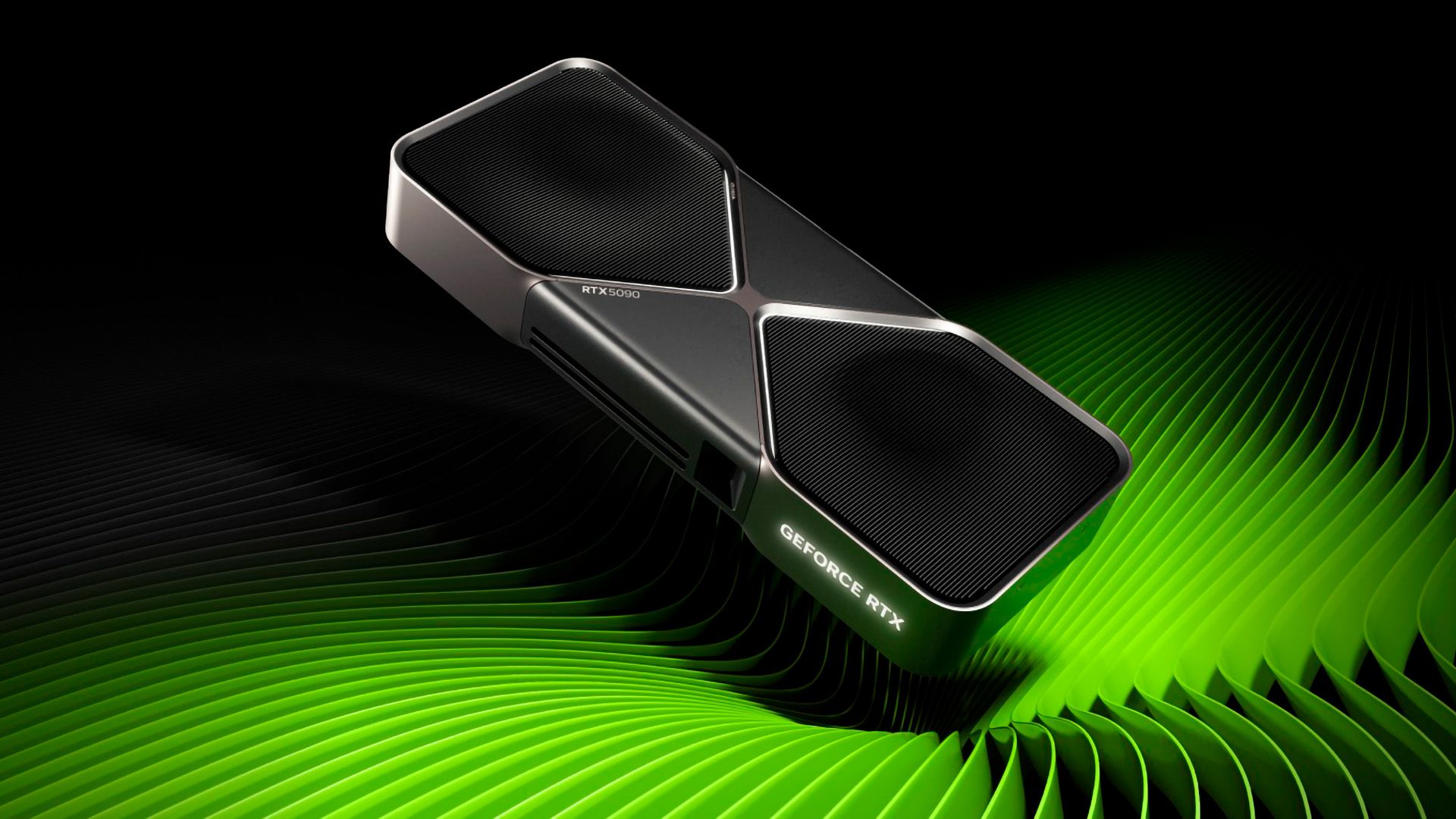
That uncertainty makes GPU launch planning more difficult because modern graphics cards depend heavily on expensive high speed memory.
Even if NVIDIA has the technology ready, launching new hardware only makes commercial sense if enough components are available at prices that allow the cards to reach consumers in meaningful quantities.
For now, the safest interpretation is that RTX 60 remains an early roadmap rumor.
Rubin based GeForce GPUs may arrive in 2028, but the timeline could still change substantially depending on memory availability, manufacturing conditions and NVIDIA's plans for the existing RTX 50 generation.

Discussion (0)
Be the first to comment.