



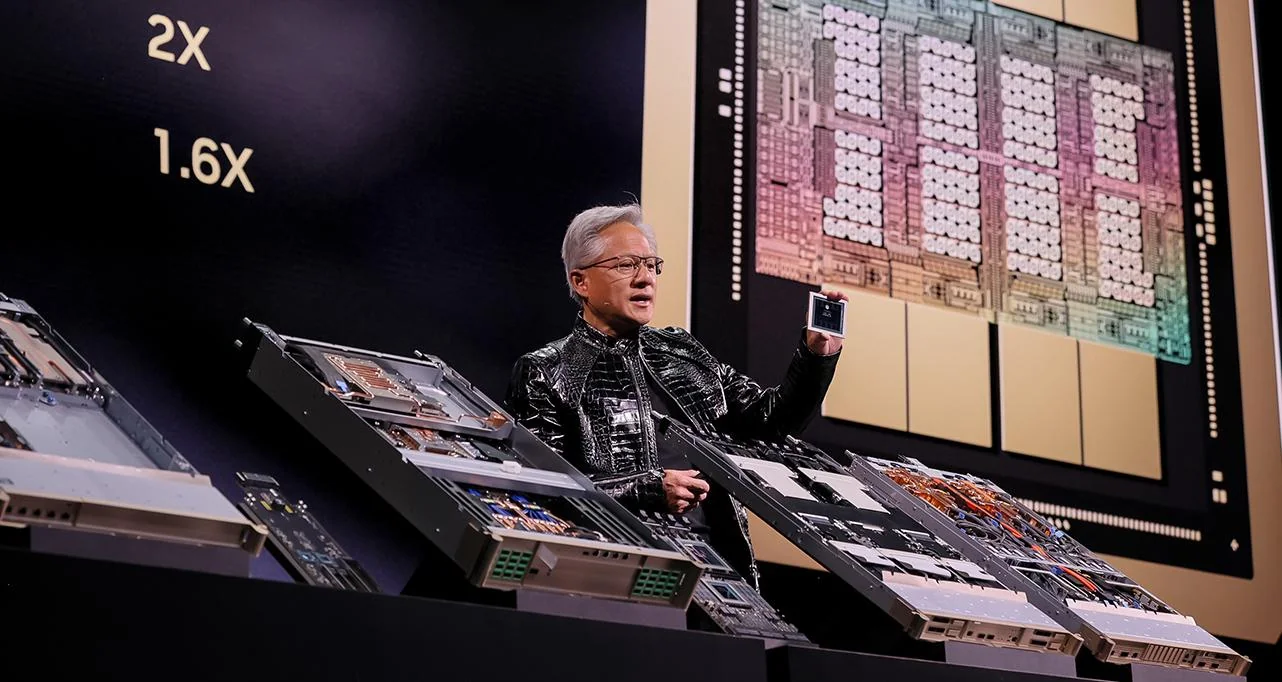
NVIDIA’s Blackwell AI GPUs may cost far more than custom chips from Google and Amazon, but Morgan Stanley believes the higher price can still make sense for large AI data centers. The investment bank says NVIDIA’s chips deliver much stronger performance per watt, which could justify the extra capital spending over time.
According to Morgan Stanley’s analysis, building a one gigawatt AI data center with NVIDIA Blackwell hardware can cost about twice as much as building a similar setup with Google TPUs or Amazon Trainium chips. That price gap is large, especially as hyperscalers continue spending billions of dollars on AI infrastructure.
The argument in NVIDIA’s favor is efficiency. Morgan Stanley estimates that NVIDIA’s AI chips can offer two to eight times better compute performance per watt than custom ASICs. In data centers, power efficiency matters because electricity, cooling, rack density, and long term operating costs can shape the real value of the hardware.
| AI chip platform | Reported performance per watt score |
|---|---|
| NVIDIA Vera Rubin FP4 | 19.5 |
| NVIDIA Vera Rubin FP8 | 6.8 |
| NVIDIA GB300 FP8 | 6.0 |
| Google TPUv7 FP8 | 4.3 |
| NVIDIA H100 FP8 | 3.1 |
| Amazon Trainium 3 FP8 | 2.5 |
The biggest lead appears with NVIDIA’s Vera Rubin platform using FP4 precision. Morgan Stanley lists it far ahead of both Google’s TPUv7 and Amazon’s Trainium 3 in performance per watt. Even NVIDIA’s GB300 and Vera Rubin FP8 figures sit above the custom chip scores in the report.
That supports NVIDIA CEO Jensen Huang’s long running argument that NVIDIA hardware is expensive upfront but can deliver better returns through higher throughput and stronger platform performance. For AI companies training or serving large models, getting more useful compute from each watt can matter as much as the purchase price.
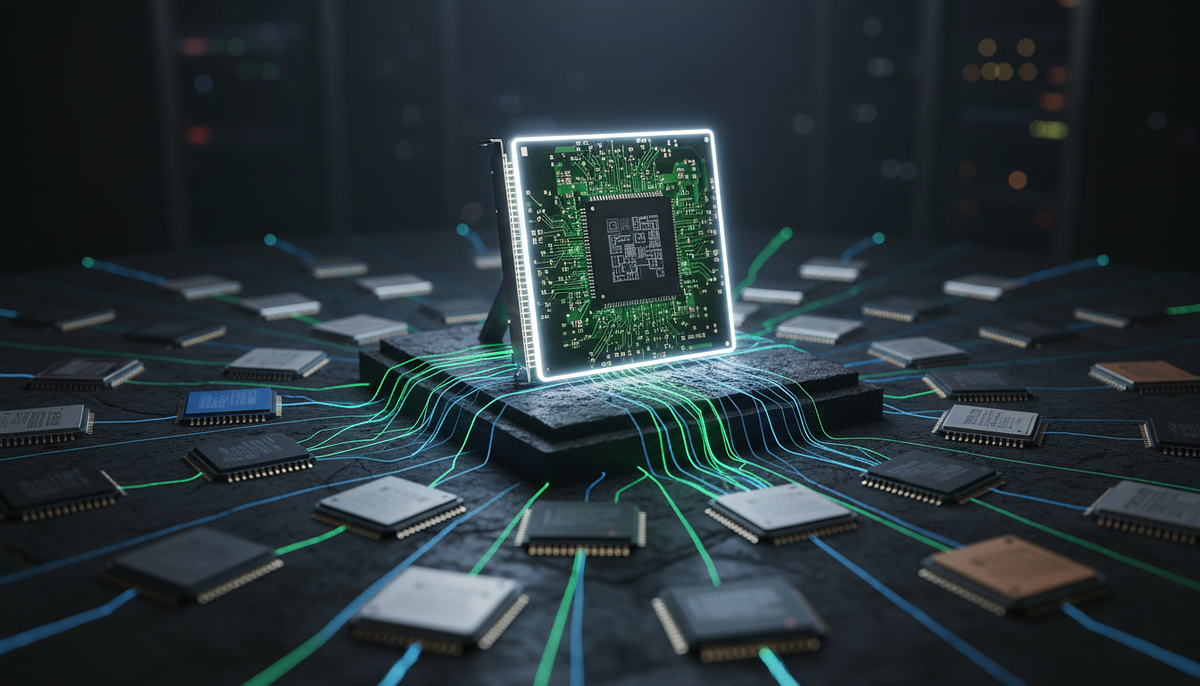
Still, the comparison is not simple. Some AI infrastructure buyers are starting to look beyond raw performance per watt. Cost per million tokens, token generation speed, software support, availability, and workload type can all change the answer.
For example, estimates from AI infrastructure provider Nebius suggest Groq chips may cost far less per token than NVIDIA Blackwell in some workloads, while also producing more tokens per second. That shows why custom AI chips and specialized accelerators are still a serious threat in certain use cases.
| Metric | Why it matters |
|---|---|
| Hardware cost | Decides how much a data center costs to build |
| Performance per watt | Affects power use and cooling over time |
| Cost per token | Shows real serving cost for AI output |
| Tokens per second | Measures how fast models can respond |
| Software ecosystem | Can decide how easy the hardware is to use |
| Workload fit | Different chips may win in different AI tasks |
NVIDIA’s biggest advantage remains its full ecosystem. The company is not only selling GPUs. It offers networking, CPUs, rack scale systems, software tools, and developer support. That makes it easier for large AI labs and cloud providers to deploy at scale.
Google and Amazon have a different advantage. Their custom chips are built mainly for their own cloud platforms and workloads, which can make them cheaper and more controlled inside their own ecosystems. That approach may not replace NVIDIA everywhere, but it gives hyperscalers more leverage and more choice.
The result is a more divided AI hardware market. NVIDIA still leads in general purpose AI acceleration and high end performance, while custom chips are becoming more attractive where companies can optimize for specific workloads and lower costs.
Morgan Stanley’s view is clear: Blackwell may be expensive, but the efficiency gains can still make it worth the cost for many large deployments. The bigger question is whether that remains true as custom AI chips improve and buyers focus more closely on the real cost of generating every token.

Discussion (0)
Be the first to comment.