


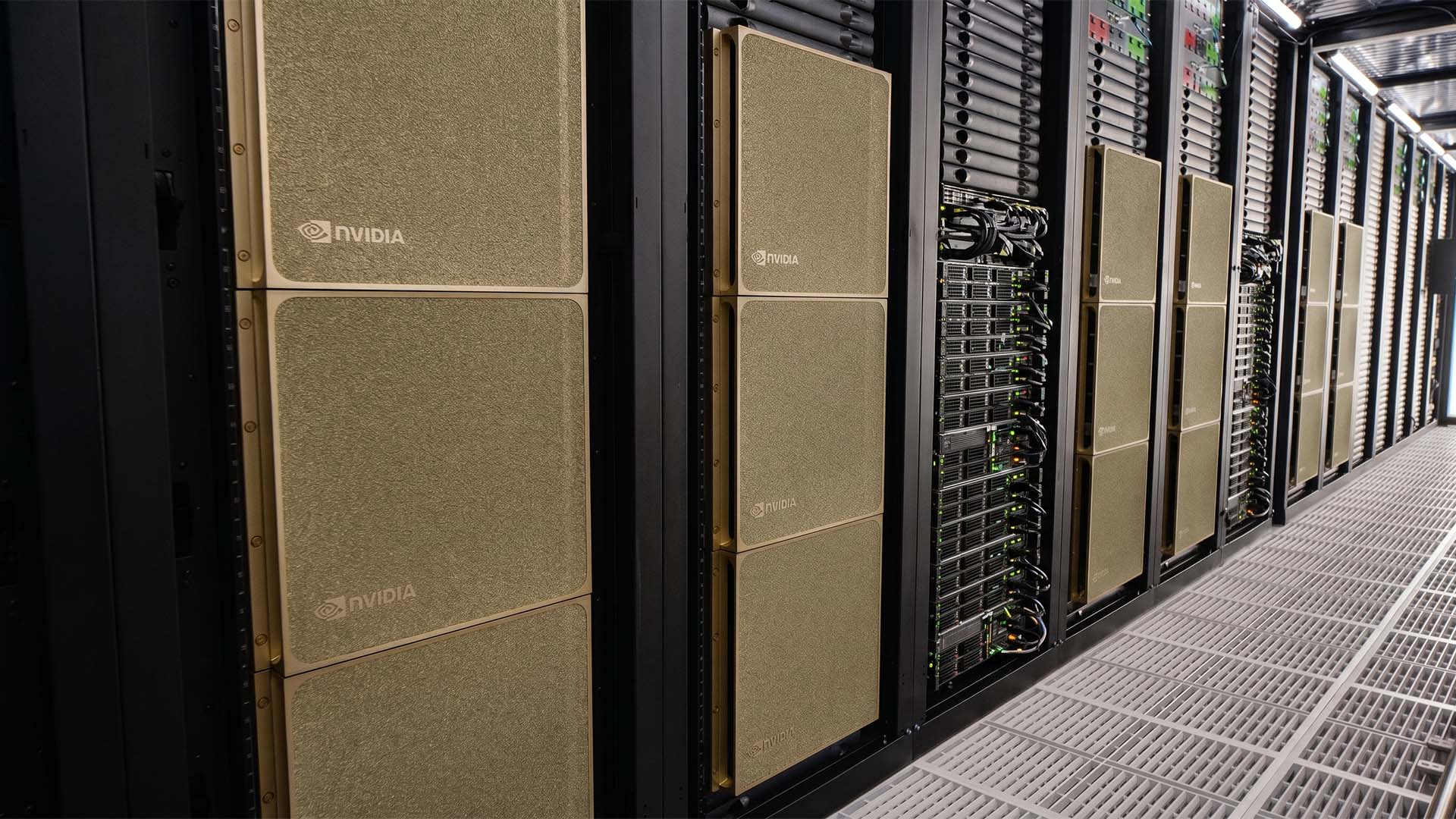
A security investigation has identified 32 NVIDIA Blackwell Ultra B300 GPUs operating on China Telecom's network, raising fresh questions about the effectiveness of US restrictions on advanced AI hardware exports to China.
Israeli cybersecurity firm Lava reportedly discovered the processors through a publicly accessible monitoring tool used to manage NVIDIA data center GPUs.
The findings suggest that restricted AI accelerators may still be reaching Chinese organizations despite strict export regulations. However, investigators could not establish the physical location of the hardware or determine how it was obtained.
NVIDIA has acknowledged concerns about unauthorized hardware transfers but maintains that such cases represent a small portion of China's existing GPU infrastructure.
Security Firm Identifies 32 NVIDIA B300 GPUs Through Monitoring Software
The discovery was made using NVIDIA's Data Center GPU Manager Exporter, commonly known as DCGM Exporter.
Data center operators use this software to monitor hardware performance, operating conditions, and system health.
According to the investigation, the monitoring interface was accessible over the internet without password protection.
This allowed researchers to identify 32 NVIDIA B300 GPUs associated with China Telecom's network.
Although the findings established that the processors were being monitored through the network, their physical location remained unconfirmed.
The available evidence also does not establish whether the GPUs entered China through unauthorized distribution channels.
NVIDIA B300 Offers Advanced AI Computing Capabilities
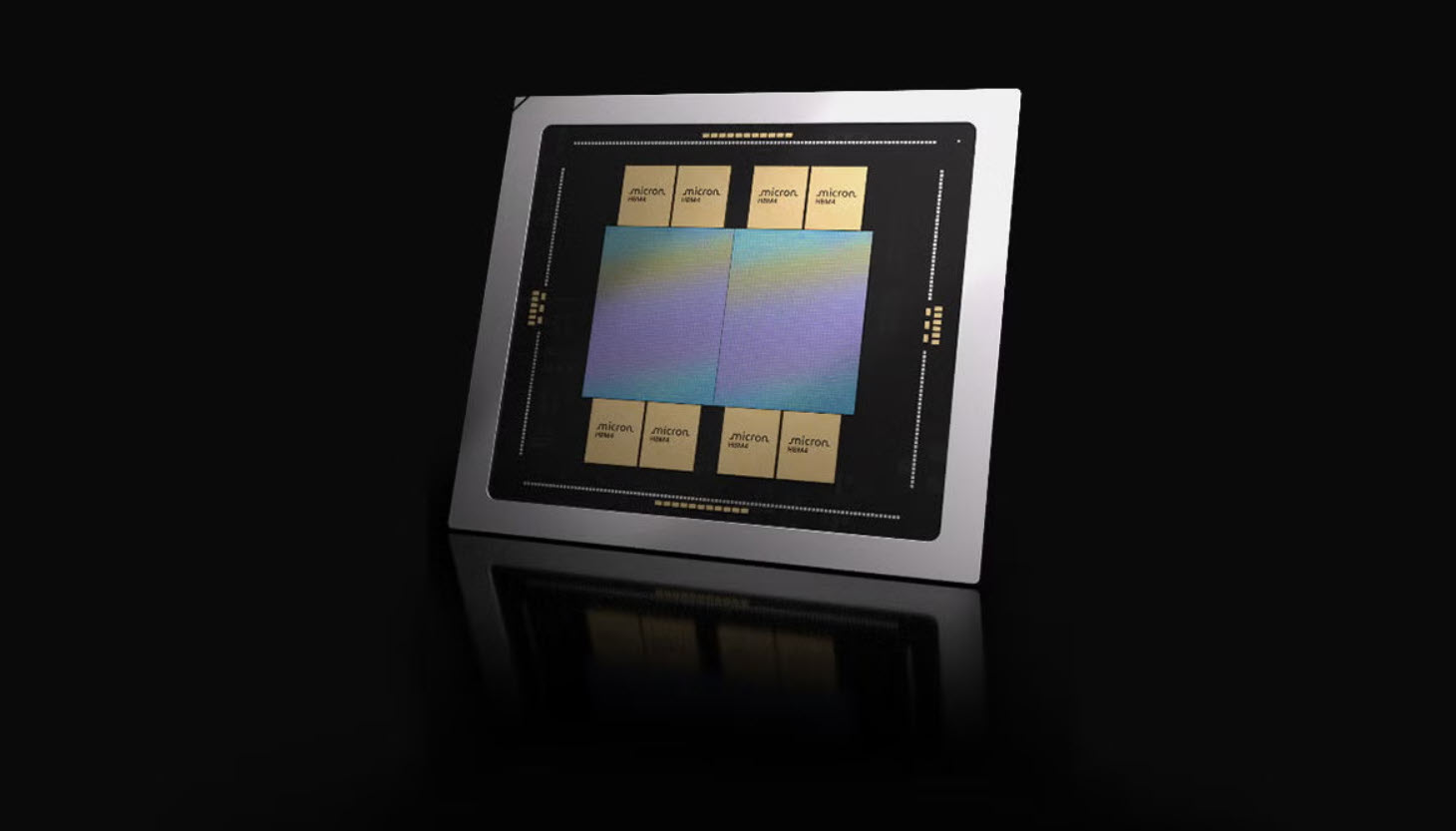
The Blackwell Ultra B300 is among NVIDIA's most powerful AI accelerators, designed for demanding workloads involving large language models and advanced reasoning systems.
Its specifications help explain why the hardware faces strict US export restrictions.
| Specification | NVIDIA B300 |
|---|---|
| Architecture | Blackwell Ultra |
| HBM3E memory | 288GB |
| Memory bandwidth | 8TB/s |
| Memory interface | 8,192-bit |
| Memory configuration | Eight 12-high stacks |
The processor reportedly delivers up to 50% higher memory capacity and FP4 compute performance compared with its predecessor.
These improvements make it valuable for organizations building large AI infrastructure.
NVIDIA Says Unauthorized GPU Transfers Remain Limited
US export regulations restrict sales of advanced NVIDIA accelerators to certain customers and destinations.
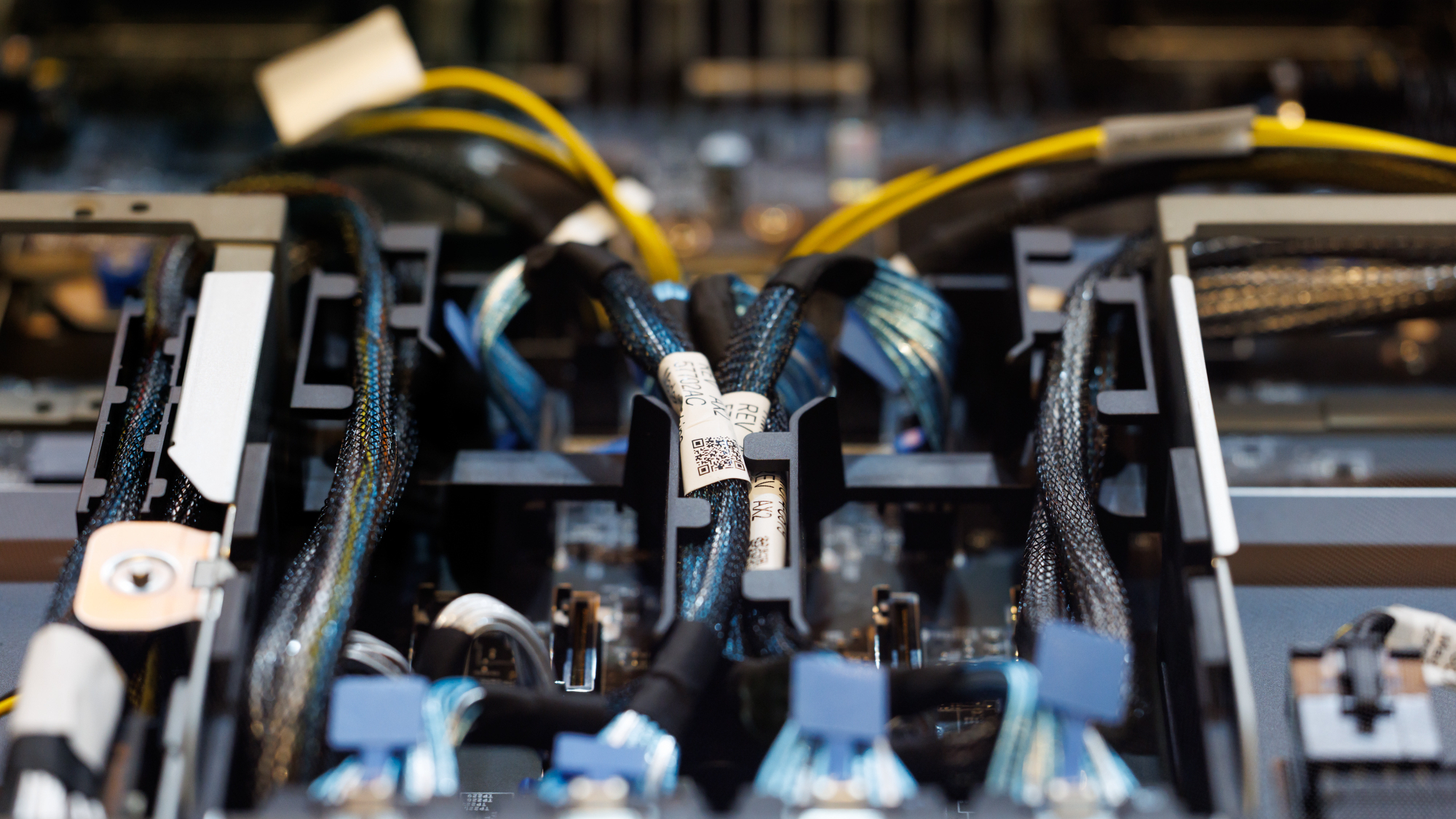
Approved buyers must follow requirements intended to prevent unauthorized redistribution.
Responding to concerns about diverted hardware, NVIDIA described smuggled GPUs as a relatively small problem compared with China's existing installed base.
The company claimed that diverted US products account for less than 0.5% of deployed inventory.
However, that broader estimate does not establish the origin of the 32 GPUs identified in this investigation.
The discovery highlights the challenges of monitoring restricted AI hardware after distribution, particularly when remote management systems reveal equipment associated with networks in regulated markets.


Discussion (0)
Be the first to comment.