


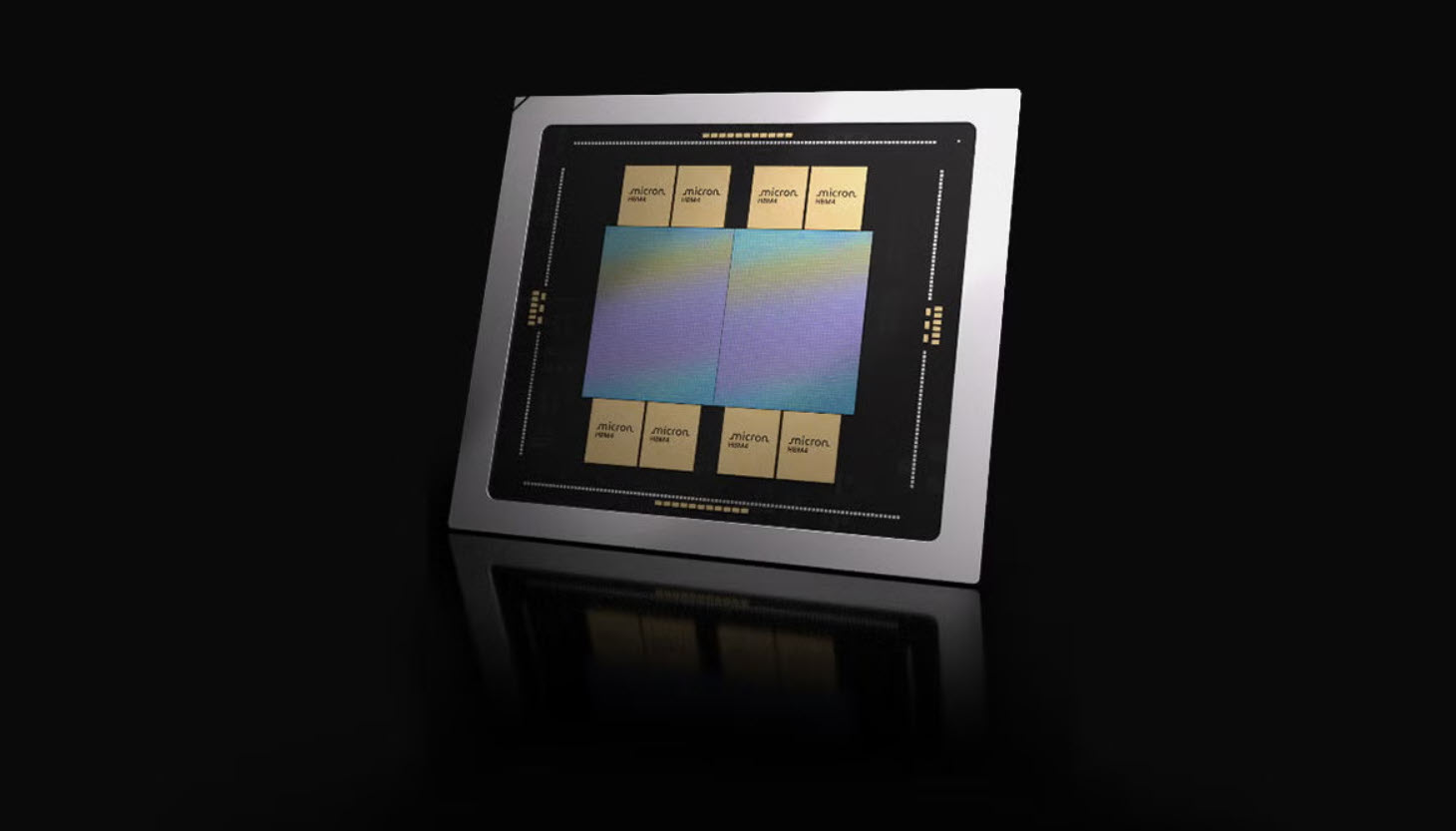
Micron is preparing its next generation G11 3D NAND flash technology, promising significant improvements in storage density and data transfer speeds for future solid state drives.
The upcoming memory architecture is expected to feature more than 400 layers, achieve a bit density of approximately 42 Gb/mm², and support interface speeds reaching 5,400 MT/s.
These improvements could enable manufacturers to develop higher capacity SSDs while increasing the amount of data transferred between NAND flash memory and storage controllers.
However, Micron has not confirmed whether the technology will directly reduce consumer SSD prices.
Micron G11 3D NAND Could Double Storage Density
One of the main improvements expected from G11 NAND is its substantially higher bit density.
Bit density measures how much information can be stored within a given area of silicon.
A density of 42 Gb/mm² would allow Micron to accommodate considerably more storage in a smaller physical space, potentially improving manufacturing efficiency.
The architecture is also expected to exceed 400 vertically stacked memory layers.
Increasing the number of layers allows manufacturers to expand flash storage capacity without relying exclusively on smaller transistor dimensions.
For SSD manufacturers, these advances could eventually support larger drives using fewer memory packages.
G11 NAND Targets Faster Transfers and Lower Energy Consumption
Micron is also targeting interface speeds of up to 5,400 MT/s, alongside improved energy efficiency.
Compared with its existing G9 technology, G11 is expected to deliver up to 50% faster data transfers while reducing energy consumption per transferred bit by approximately 25%.
The new architecture will also use wafer bonding technology to improve memory integration.
These improvements could benefit demanding storage applications, particularly enterprise SSDs and AI data centers that require high throughput.
Micron Plans G11 Production for 2027
Micron expects to begin ramping G11 NAND production during the second half of 2027.
The company is moving directly from its current G9 generation to G11, bypassing the previously planned G10 designation.
Although increased density could eventually reduce manufacturing costs per bit, retail SSD pricing will continue to depend on supply, demand, manufacturing yields, and market conditions.
Micron has not announced consumer SSD models using G11 NAND or provided specific availability dates.
For now, G11 represents a substantial technological advancement, with its commercial impact becoming clearer as production approaches.


Discussion (0)
Be the first to comment.