



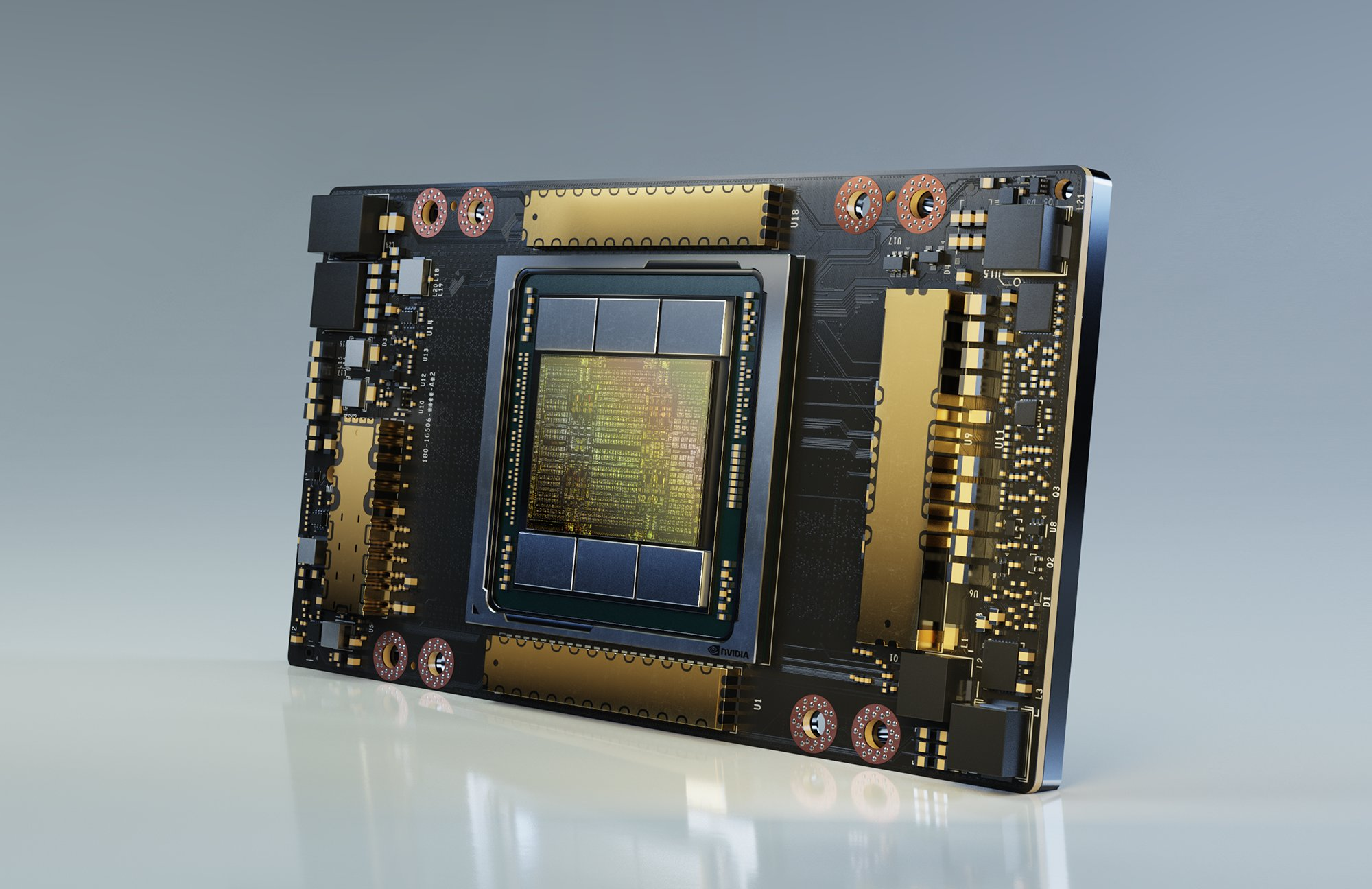
NVIDIA’s A100 accelerator may remain commercially useful far longer than many expected, with CoreWeave reportedly planning to continue renting the six year old GPU through 2029.
The A100 launched in 2020 as part of NVIDIA’s Ampere generation and uses second generation Tensor Cores. Despite being several generations behind newer Blackwell and Rubin products, continued software optimization and strong demand for AI compute are helping extend its useful life.
If CoreWeave keeps A100 systems available through 2029, the accelerator will have remained in commercial service for roughly nine years.
CoreWeave plans to keep A100 rentals active through 2029
| Area | Detail |
|---|---|
| GPU | NVIDIA A100 |
| Architecture | Ampere |
| Original launch | 2020 |
| Rental commitment | Through 2029 |
| Potential commercial lifespan | Around 9 years |
| Main reason for continued use | AI demand and software optimization |
| Software ecosystem | CUDA |
| Newer alternatives | Blackwell and Rubin |
The decision shows that AI accelerators do not necessarily become obsolete as soon as a newer generation arrives.
NVIDIA and AMD are both moving toward faster product cycles, with new AI architectures arriving regularly. That can make it seem as though older accelerators lose relevance quickly, but the economics of AI infrastructure are more complicated.
New GPUs provide higher performance and efficiency, but they also require major capital investment.
For workloads that can run effectively on older hardware, continuing to rent an A100 may offer better economics than immediately moving to a newer platform.
CUDA improvements help extend hardware life
Software support is one of the main reasons older accelerators can remain useful.
NVIDIA has continued improving CUDA and related AI software, allowing newer frameworks and optimized models to run more efficiently on existing GPUs.
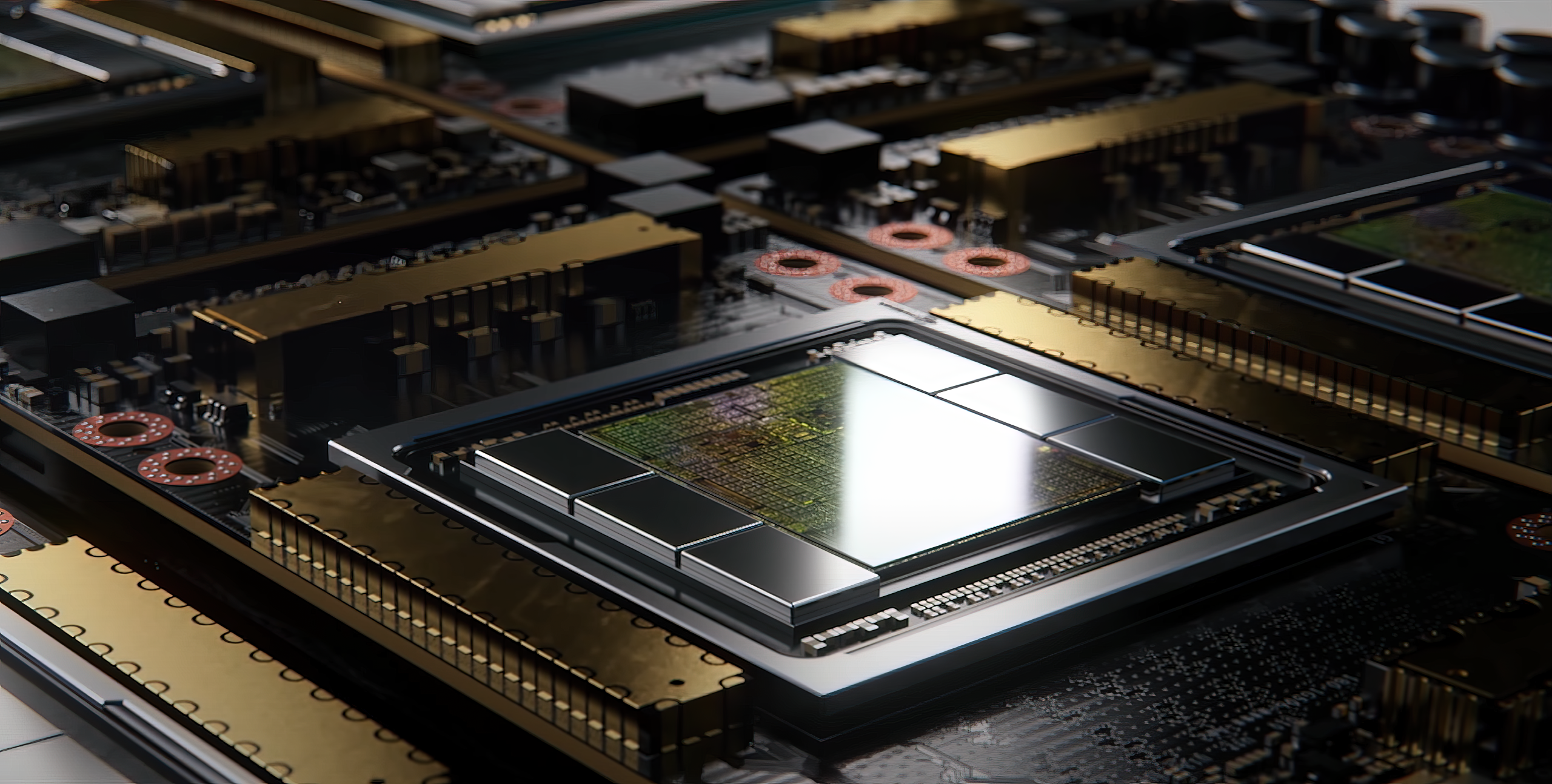
That means some workloads can achieve better results on the same hardware over time without requiring a complete infrastructure replacement.
Model optimization also matters.
As developers reduce memory requirements, improve kernels and use lower precision formats, older GPUs can continue handling workloads that previously may have required more compute.
This gives cloud providers another reason to keep mature hardware available.
High prices are helping older GPUs stay relevant
The wider AI hardware market is also affected by shortages and high prices.
Newer accelerators such as Blackwell and future Rubin products offer much stronger performance, but access to those systems can be expensive.
That creates a market for older hardware, particularly when the rental rate is attractive.
Even NVIDIA’s older Volta based V100 accelerators have reportedly experienced renewed demand in some parts of the market.
CoreWeave is also said to have secured favorable pricing for its A100 capacity, which makes continued operation more practical.
Faster product cycles do not automatically mean faster retirement
AI accelerators now arrive on much shorter schedules than traditional server hardware.
A new architecture may offer a major performance increase only a year after the previous one, but replacing entire fleets on that schedule would be extremely expensive.
For many cloud providers, the better approach may be to maintain several generations of hardware at different price points.
Customers running the most demanding training or inference workloads can use newer GPUs, while older accelerators remain available for less intensive jobs.
That gives providers more flexibility and allows expensive data center hardware to generate revenue for longer.
CoreWeave’s reported commitment to the A100 through 2029 suggests that Ampere still has a meaningful role in AI infrastructure. Rather than becoming obsolete after a few years, well supported accelerators may remain productive assets for close to a decade when software, pricing and workload requirements align.



Discussion (0)
Be the first to comment.