



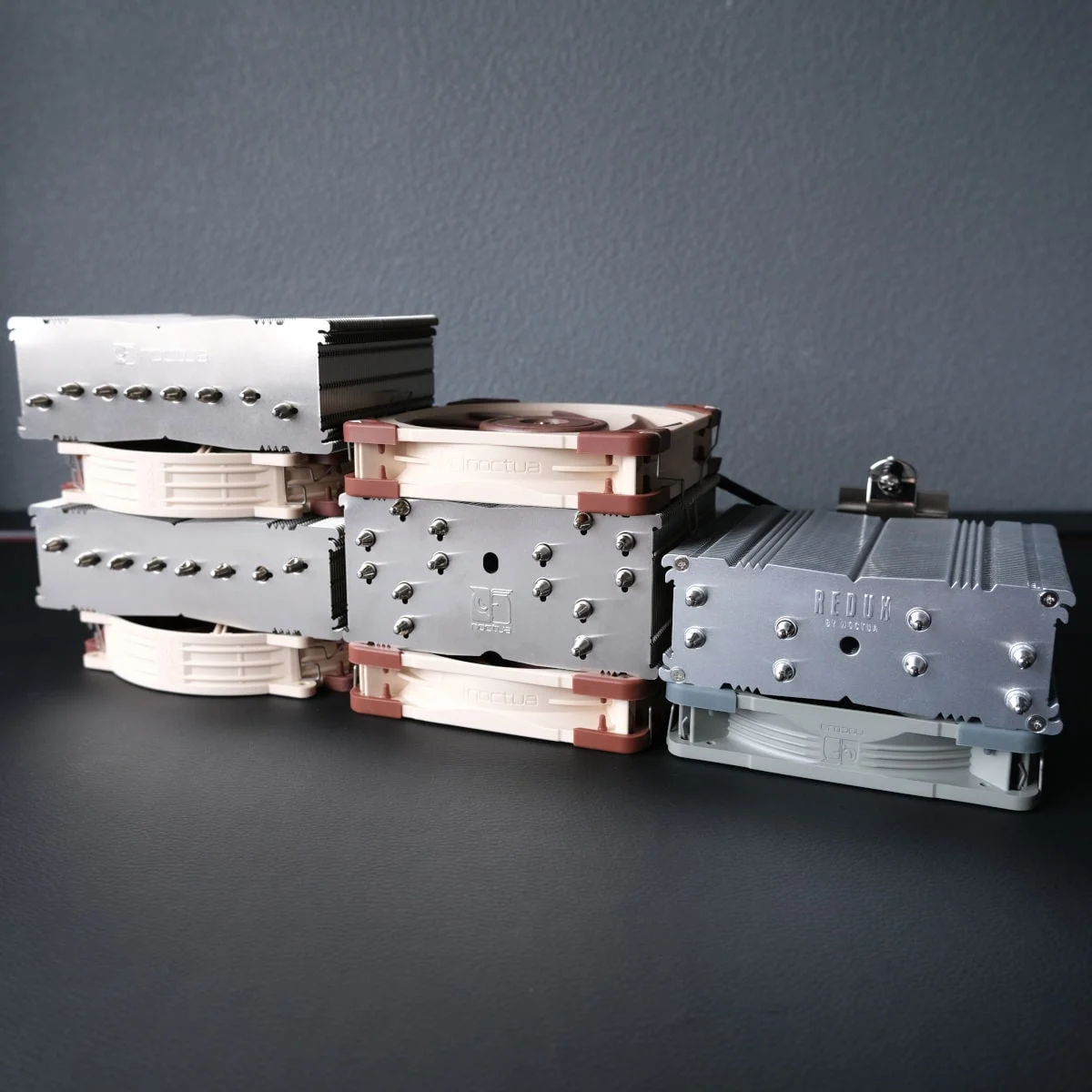
Noctua has created a new compatibility database for CPU air coolers after finding that official case clearance specifications do not always match real world measurements.
The company manually measured more than 100 PC cases and found examples where actual CPU cooler clearance was either higher or lower than the number published by the case manufacturer.
That matters because a difference of only a few millimeters can determine whether a large tower cooler fits comfortably, touches the side panel or cannot be installed at all.
The new database is designed to give builders a more practical reference before buying a large air cooler.
Case clearance can differ from official specifications
PC case manufacturers usually list maximum CPU cooler height alongside graphics card and power supply clearance. Those measurements are useful, but they do not always tell the full story.
Noctua found that some cases provide noticeably more room than their official specifications suggest.
| Example | Finding |
|---|---|
| Corsair 4000D series | Actual clearance can be higher than listed |
| Corsair 5000D series | Nearly 10 mm of additional room reported in some configurations |
| Noctua NH D15 G2 | 168 mm tall |
| ASUS Prime AP201 | Actual clearance around 2 mm lower than listed |
| Database size | More than 100 cases measured |
The additional space in some Corsair cases can be enough to accommodate a large cooler such as the NH D15 G2, which stands 168 mm tall.
That is useful information for builders who may otherwise avoid a cooler because the published case specification appears too restrictive.
The reverse situation is more important from a compatibility standpoint.
Noctua found that some cases provide slightly less room than their official specifications indicate. The ASUS Prime AP201 is one example, with measured clearance reportedly around 2 mm below the published figure.
A 2 mm difference may sound small, but large tower coolers often operate close to the maximum dimensions supported by compact cases.
Why cooler height measurements can vary
There are several reasons why official clearance numbers and real measurements may not line up perfectly.
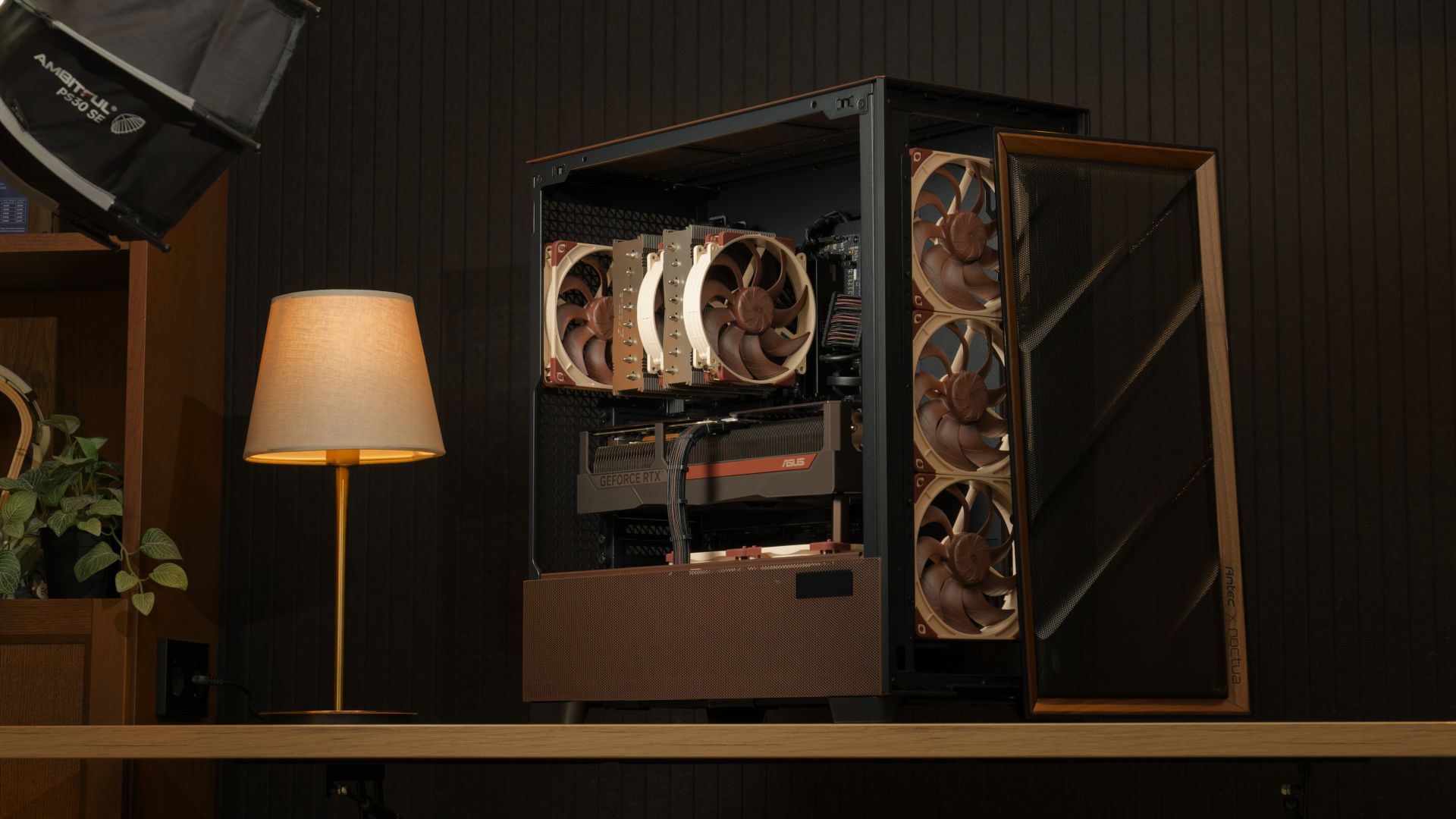
Case dimensions can be measured from different reference points, and internal structures can reduce usable space. Side panel design, motherboard positioning, socket height and manufacturing tolerances can also affect the final distance between the CPU and the case panel.
RAM height can create another complication.
Many dual tower air coolers require the front fan to be raised when tall memory modules are installed. Raising that fan increases the total height of the cooler, which can turn an otherwise compatible combination into one that no longer fits inside the case.
This means checking only the heatsink's official height is not always enough.
The database is focused on Noctua coolers
Noctua's compatibility tables identify which of its own coolers should fit inside each measured case.
However, the measurements can also be useful when considering products from other manufacturers. If you know the real available height and the dimensions of another cooler, you can make a better estimate of compatibility.
Some caution is still necessary because cooler shape, fan position and motherboard layout can differ.
The project should be particularly useful for large dual tower models, where clearance is often tight and returning an incompatible cooler can be inconvenient.
Noctua says it plans to keep expanding the database as more PC cases are measured.
For builders, the work provides a useful reminder that advertised specifications should not always be treated as exact installation limits. When a cooler is only a few millimeters below a case's stated maximum height, checking independent measurements can reduce the risk of discovering a compatibility problem after the system is already being assembled.



Discussion (0)
Be the first to comment.