



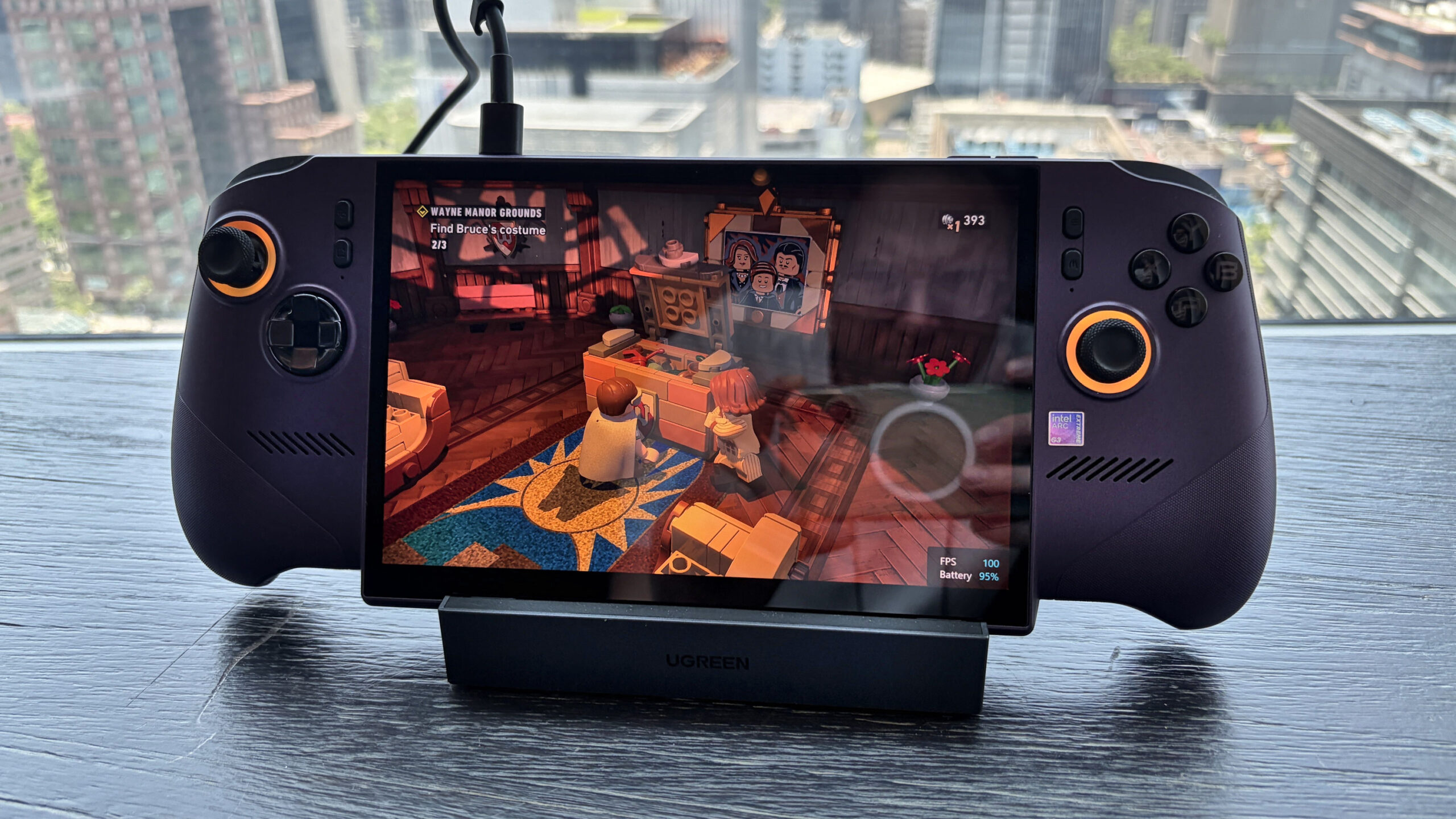
MSI’s Claw 8 EX AI+ handheld gaming PC is proving difficult to find at normal retail prices, and that shortage is pushing resale prices far above its already expensive $1,799 MSRP.
Listings on the secondary market have reached as high as $2,599, which is an $800 premium over retail. Other sellers are asking around $2,299.99 to $2,499, and some of those units appear to be selling despite the markup.
The situation highlights how limited supply, strong demand, and higher memory costs are affecting the premium handheld gaming PC market.
The Claw 8 EX AI+ already starts at a high price
The MSI Claw 8 EX AI+ launched at $1,799, with its price reportedly influenced by higher RAM and NAND costs linked to strong AI related demand.
That already positioned it well above many mainstream handheld gaming PCs.
The device also sold through its initial retail availability quickly, with major sellers running out of stock within about a day. Restocks have remained limited, which has created an opening for resellers to charge much more.
| Device or listing | Price |
|---|---|
| MSI Claw 8 EX AI+ MSRP | $1,799 |
| Lower resale listing | About $2,299.99 |
| Higher resale listing | About $2,499 |
| Highest noted resale price | $2,599 |
| Maximum premium over MSRP | $800 |
| ROG Xbox Ally | $599.99 |
| ROG Xbox Ally X | $999.99 |
The fact that some buyers appear willing to pay these prices shows how scarcity can outweigh value considerations in a niche hardware category.
Supply remains the main problem
The bigger issue is not simply that sellers are listing the handheld at inflated prices.
Some listings show actual sales activity, suggesting buyers are accepting the premium rather than waiting for normal stock to return.
That turns a limited retail launch into a secondary market problem.
The Claw 8 EX AI+ has reportedly remained unavailable at several major retailers after its initial sellout. Until supply improves, resale prices are likely to remain elevated.
MSI has experienced similar availability problems with some of its previous Intel based handhelds, although it is not yet clear whether the current shortage is mainly tied to MSI, Intel, component availability, or a combination of factors.
This has happened with other premium handhelds
The Claw 8 EX AI+ is not the first gaming handheld to see large resale premiums.
Lenovo’s Legion Go 2 previously faced similar shortages, with some buyers reportedly paying around $650 above retail because stock was difficult to find.
That suggests the problem is broader than one model.
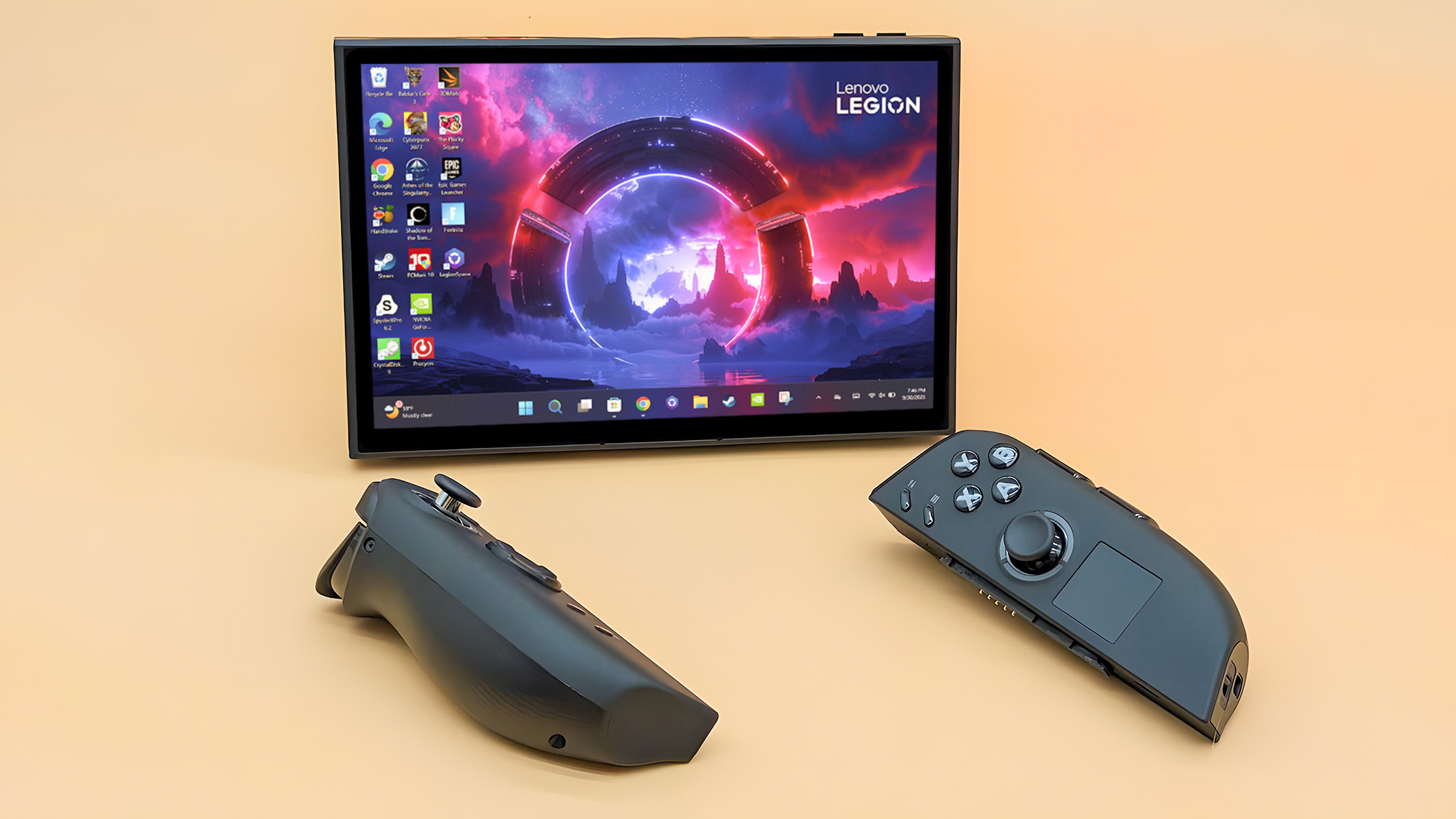
Premium handheld gaming PCs are becoming more capable, but they are also becoming more expensive and harder to supply in some cases. Limited production runs can quickly create resale markets where prices rise well beyond official levels.
ASUS has so far avoided that problem more successfully with its ROG Xbox Ally models.
The standard ROG Xbox Ally remains available at around $599.99, while the more powerful ROG Xbox Ally X is priced at $999.99. Both are significantly cheaper than the MSI Claw 8 EX AI+, even before resale premiums are considered.
Memory shortages are adding more pressure
One of the larger factors affecting pricing is the ongoing pressure on RAM and NAND supply.
AI infrastructure demand has increased competition for memory components, and that can make high capacity consumer devices more expensive to produce.
Gaming handhelds are especially exposed because they typically combine fast memory, SSD storage, compact cooling, and powerful integrated processors in a small chassis.
Those costs can push manufacturers toward higher retail pricing before any reseller premium is added.
For buyers, that means the current generation of premium handhelds can become expensive very quickly.
The MSI Claw 8 EX AI+ may offer strong performance, but paying $2,599 places it far outside the normal handheld market.
At that price, waiting for an official restock is the more practical option for most people.
The current resale situation shows that demand for high end handheld PCs remains strong, but it also shows how quickly limited supply can distort pricing when a popular model disappears from normal retail channels.



Discussion (0)
Be the first to comment.