



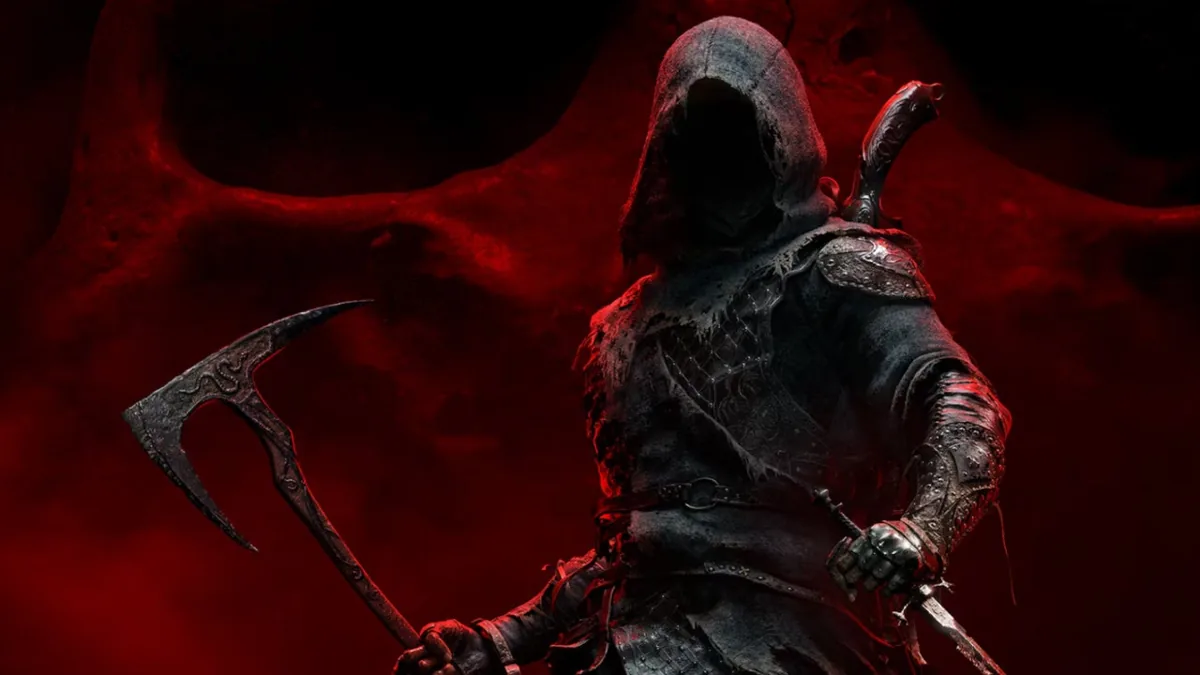
Mortal Shell II expands the ideas of the 2020 original with a larger world, more weapons, multiple Shell classes, and a faster combat system, but its current version is weighed down by technical problems, frustrating enemy encounters, and uneven world design.
The game launches on August 20, 2026 for PlayStation 5, Xbox Series X|S, and PC, while Devout Edition owners received access on August 17. It is developed by Cold Symmetry and published by Playstack.
The sequel keeps the series focused on difficult action RPG combat but changes several major systems. It removes some of the more traditional character building choices found in other Soulslike games and instead places more emphasis on reaction timing, Shell abilities, weapon choice, and the Harden mechanic.
Shells and weapons define your playstyle
Players once again control the Harbinger, a formless being that inhabits different Shells.
Each Shell effectively acts as a class with its own abilities and skill tree. Returning Shells include characters such as Tiel and Eredrim, and players can swap between unlocked Shells at beacons throughout the world.
Progression is more streamlined than in many other Soulslike games. Leveling automatically improves key statistics such as health and damage rather than asking players to manually assign points.
| Feature | How it works |
|---|---|
| Playable form | Harbinger inhabits different Shells |
| Shell system | Each Shell has its own abilities and skill tree |
| Character progression | Main stats increase automatically |
| Skill progression | Uses Glimpses and Shell trust |
| Weapons | Around a dozen with distinct playstyles |
| Defensive options | Blocking, parrying, and Harden |
| Healing | Mother's Pulse and consumable items |
| Checkpoints | Beacons placed throughout the world |
This simpler progression system reduces the risk of building a character around a weapon that later turns out to be unsuitable, but it also makes individual level gains feel less meaningful.
Combat is faster but group fights can become frustrating
Combat remains the strongest part of Mortal Shell II.
Players can block, parry, and use Harden to survive attacks. Harden has been changed so that it protects against a single strike. If timed correctly, it can also deflect an enemy attack and contribute to the enemy's break gauge.
That creates opportunities for powerful counterattacks, even against bosses.
The problem is that the system works better in one on one encounters than against groups.
Enemies do not wait while the player counters one attacker, so it is possible to successfully defend against one strike only to be hit immediately by another opponent.
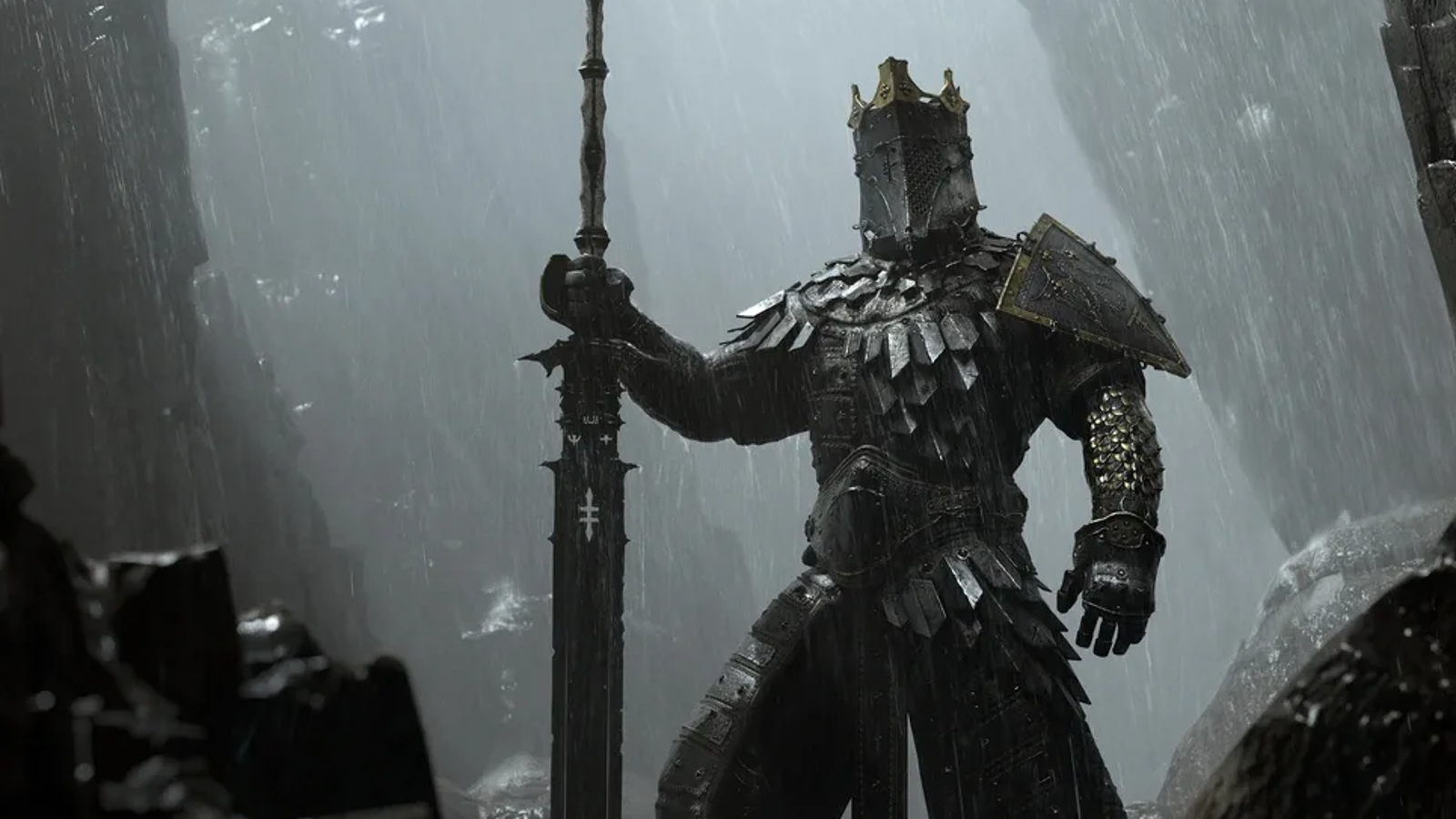
Some enemy animations are also difficult to read because attacks can arrive faster than the visual motion suggests. In a game where several hits can be enough to kill the player, inconsistent timing becomes especially frustrating.
Weapons add more variety. Heavy weapons are available, but faster choices can be more effective because the combat rewards quick responses and precise openings.
Attacks also generate Resolve, which powers ranged ammunition and special abilities tied to weapons and Shells.
Healing remains very limited
Healing is deliberately restrictive.
The main healing item is Mother's Pulse, which works like a conventional flask. It can be upgraded, but even with improvements it provides relatively limited recovery.
Players can also use weltcap mushrooms for a small healing effect over time.
Other consumables are divided into active and passive slots, with some active items helping against status effects and passive items providing growing bonuses depending on how many have been collected.
The limited healing system keeps pressure high, but it can also make already difficult encounters feel harsher than necessary.
The larger world creates navigation problems
Mortal Shell II moves away from the tighter structure of the first game and adopts a much larger interconnected environment.
The world includes open fields, corridors, castles, swamps, hidden areas, and bosses spread across different regions.
The increased scale gives the game more room for exploration, but navigation is one of its weaker areas.
Poor signposting can make it difficult to know where to go, and beacon placement is inconsistent. Some areas contain several checkpoints close together, while others can require long periods of exploration before another one appears.
That becomes particularly frustrating after death, since players may need to cross the same dangerous areas again to recover lost resources.
Bugs and balancing hurt the launch version
Technical problems are another major concern.
The review build suffered from crashes, falling through the environment, enemies behaving incorrectly, and other glitches even after several patches.
One repeatable issue could break enemy AI and leave opponents wandering through preset paths instead of reacting normally.
The developers released multiple updates during the review period, but some balancing changes reportedly made late game encounters more frustrating instead of improving them.
These problems are especially noticeable because the game already expects precise timing and punishes mistakes heavily.
Mortal Shell II still has several strengths. Its Shell variety, weapon selection, combat ideas, larger world, optional difficulty settings, and exploration give it more ambition than the original.
However, its technical state and uneven balancing make the launch version difficult to recommend without reservations.
The game received a 7.5 rating, with praise for its varied combat options and world scale, while criticism focused on repetitive enemy behavior, poor group combat balance, crashes, glitches, inconsistent checkpoint placement, and overly simplified progression.



Discussion (0)
Be the first to comment.