



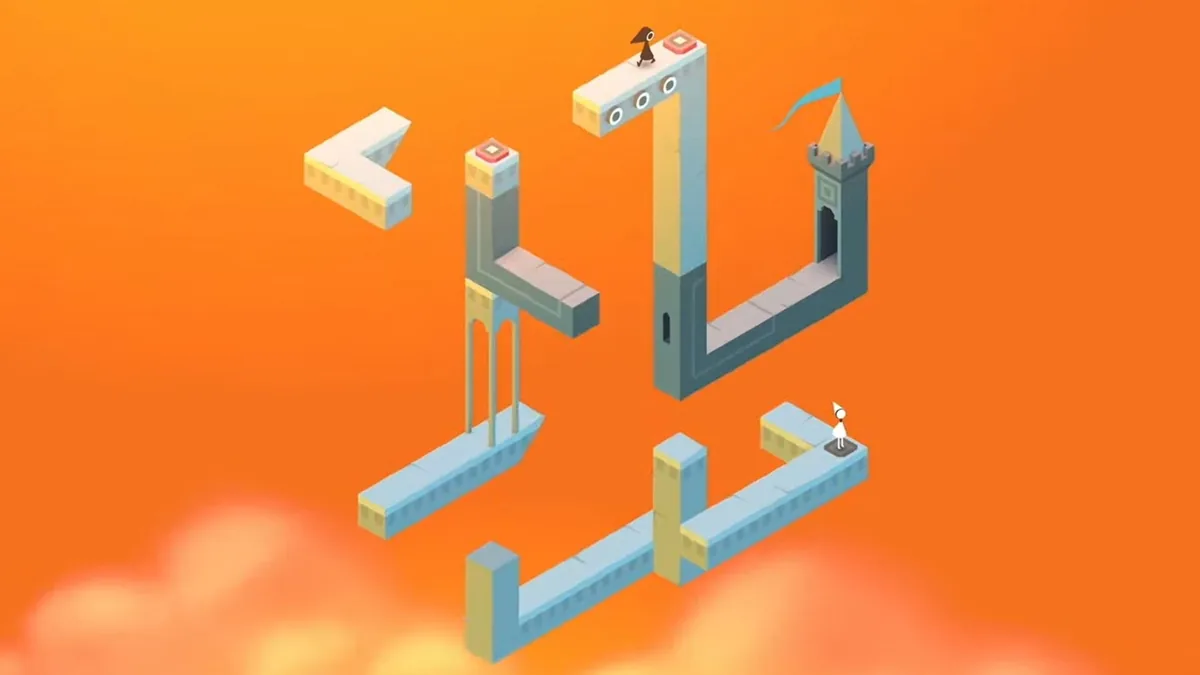
Ustwo Games, the studio behind Monument Valley, is rethinking how it builds games as development costs continue to rise across the industry. CEO Maria Sayans has said the studio may rely more on contractors in the future, even though she personally dislikes that direction.
Her comments came in an interview with Game Developer, where she discussed Ustwo’s move from mobile-first development toward PC and console releases. The shift makes sense for the studio because mobile has become harder to build a stable long-term business around. But moving into PC and console development has also made one problem harder to ignore: games are expensive to make.
Sayans said Ustwo has been spending around £7 million to £10 million per project. For a studio with fewer than 30 full-time employees, that is a heavy cost. She said the company needs to bring those budgets down, especially when other teams are finding success on PC with much smaller spending.
Ustwo wants to lower game budgets, but a contractor-heavy model could make developers even more worried about job security
The most controversial part of Sayans’ comments is about employment. She said Ustwo may have been “too romantic” about having employees and giving people long-term job security. Going forward, the studio may keep a smaller core team and use contractors when it needs to grow for a project.
That may make business sense on paper. Contractors can help a studio scale up during production without keeping a larger permanent team after the project ends. For smaller studios, that flexibility can reduce risk.
But for developers, the message may feel painful. The game industry has already been hit by years of layoffs, studio closures, and canceled projects. Many workers are leaving games because they no longer believe the industry can offer stable careers. If more studios move toward contractor-first hiring, that fear could grow.
| Studio problem | Contractor-based solution | Risk for workers |
|---|---|---|
| High development costs | Hire extra help only when needed | Less long-term job security |
| Smaller studio size | Keep a lean core team | More unstable career paths |
| Bigger projects on PC and console | Scale up temporarily | Knowledge may leave after each project |
| Pressure to reduce budgets | Avoid permanent payroll growth | Developers may feel disposable |
Sayans did say she hates this part of the industry. She also said people who joined games in the early 2000s had more stability, and that she would like to give workers that same kind of security. Still, her comments show how much pressure even respected smaller studios are facing.
The wider concern is that this may become normal. If studios decide that permanent jobs are too expensive, more developers may be pushed into short-term contracts. That could make it harder to build experienced teams, protect studio culture, and keep talented workers in games.
Ustwo is not alone in trying to solve the cost problem. Many studios are looking at contractors, outsourcing, smaller scopes, and generative AI to reduce spending. But each of those choices comes with trade-offs.
The real question is whether the game industry can lower costs without making jobs even less secure. Ustwo’s situation shows how difficult that balance has become. A smaller core team may help a studio survive, but if too many companies follow that path, the industry could lose more of the people who make its best games possible.


Discussion (0)
Be the first to comment.