



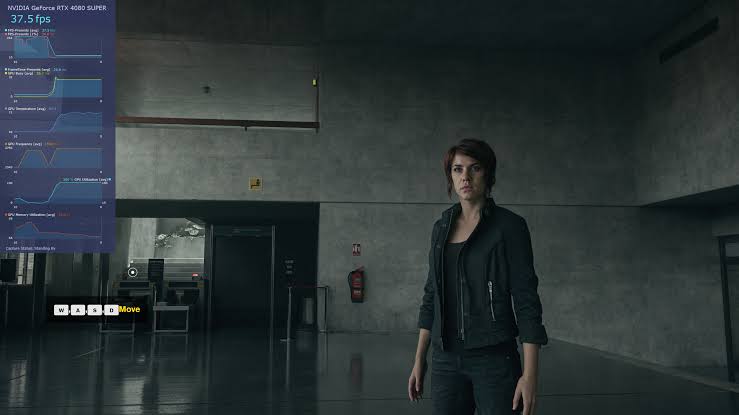
An experimental version of NVIDIA's upcoming DLSS 5 Neural Rendering technology has reportedly been made to work on GeForce RTX 40 Series graphics cards, even though the leaked implementation appears to have been intended for RTX 50 Series hardware.
The breakthrough came after a leaked DLSS 5 Neural Rendering DLL was discovered in an early access build of NBA 2K27. Modders quickly began experimenting with the file, first enabling it in games such as Control and then extending support to older Ada Lovelace GPUs.
The result suggests that at least this experimental build of DLSS 5 is not completely dependent on Blackwell hardware. However, the implementation remains unofficial, incomplete and potentially very different from the final version NVIDIA eventually releases.
| Detail | Reported information |
|---|---|
| Technology | DLSS 5 Neural Rendering |
| Original leaked target | GeForce RTX 50 Series |
| Tested older GPU | GeForce RTX 4090 |
| Also reportedly working | GeForce RTX 4080 |
| Method | CUDA binary replacement |
| Example game | Control |
| Performance impact on RTX 4090 | Up to 39% lower FPS |
| RTX 20 and RTX 30 support | Unknown |
CUDA binary swap enabled the feature on RTX 40 GPUs
The leaked Neural Rendering implementation reportedly contained CUDA binaries limited to RTX 50 Series graphics cards.
A modder created an experimental patch by replacing those incompatible binaries with versions that could run on Ada Lovelace hardware.
That relatively simple change was enough to get DLSS 5 Neural Rendering functioning on a GeForce RTX 4090. The same method was also reported to work on an RTX 4080.
Support for older GeForce generations remains unclear. The modder did not have RTX 20 Series or RTX 30 Series cards available for testing, so there is currently no evidence that the same approach will work on Turing or Ampere GPUs.
DLSS 5 Neural Rendering is still experimental
The leaked technology is described as using rendered frames and motion vectors to improve image reconstruction.
Modders have already managed to expose additional controls for adjusting the feature in games, but the current implementation should not be confused with an official NVIDIA release.
The leaked DLL appears to be unfinished software, and compatibility, image quality and performance could all change significantly before DLSS 5 Neural Rendering is formally introduced.
That distinction is especially important because unofficial patches can bypass hardware or software restrictions that NVIDIA may later enforce differently in production drivers.
RTX 4090 performance reportedly dropped by up to 39%
Getting the feature to run on RTX 40 Series hardware does not mean it runs efficiently.
In one test, the RTX 4090 reportedly delivered around 135 to 145 FPS before Neural Rendering was enabled. With the experimental DLSS 5 implementation active, performance fell to roughly 83 FPS.
That represents a reduction of up to about 39%.
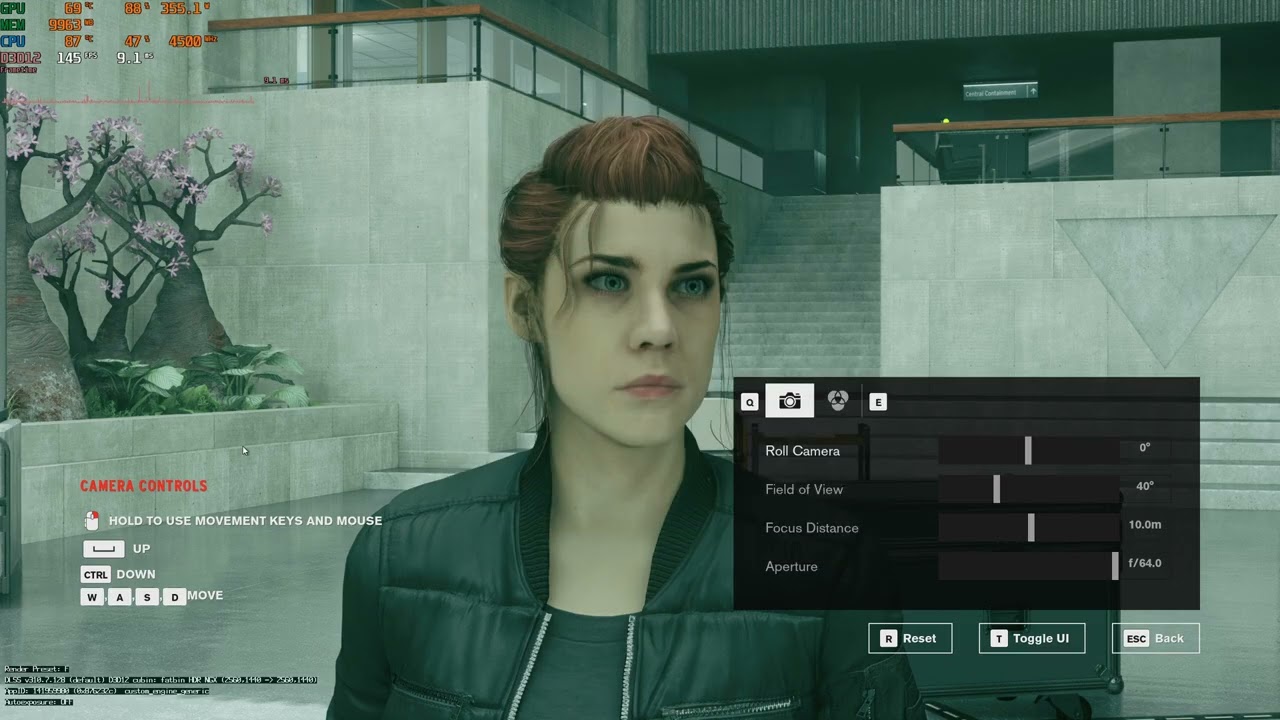
The result indicates that the current leaked implementation carries a substantial processing cost on Ada Lovelace GPUs.
It is not yet clear whether that performance penalty comes from the feature itself, the unofficial compatibility patch, immature code, or some combination of all three.
Older GPU support remains an open question
The experiment is still notable because it demonstrates that the leaked DLSS 5 Neural Rendering code can be adapted to run outside its apparent RTX 50 Series target.
That does not confirm that NVIDIA will officially support RTX 40 Series cards when the technology launches.
The company could still restrict the final feature based on architecture, Tensor Core capabilities, driver support or performance requirements.
For now, the RTX 4090 and RTX 4080 results should be treated as proof of concept demonstrations rather than evidence of official future compatibility.
The rapid progress also shows how quickly enthusiasts are dissecting the leaked technology. Within roughly a day of the DLL becoming available, modders had already moved from enabling it in individual games to getting it running on an older GPU generation.

Discussion (0)
Be the first to comment.