




Military robots support missions that keep soldiers safer and improve battlefield precision. These machines handle reconnaissance, bomb disposal, logistics, and, in some cases, autonomous targeting. This guide explains what military robots are, how they work, and where they appear in modern defense.
Table of contents
What military robots are
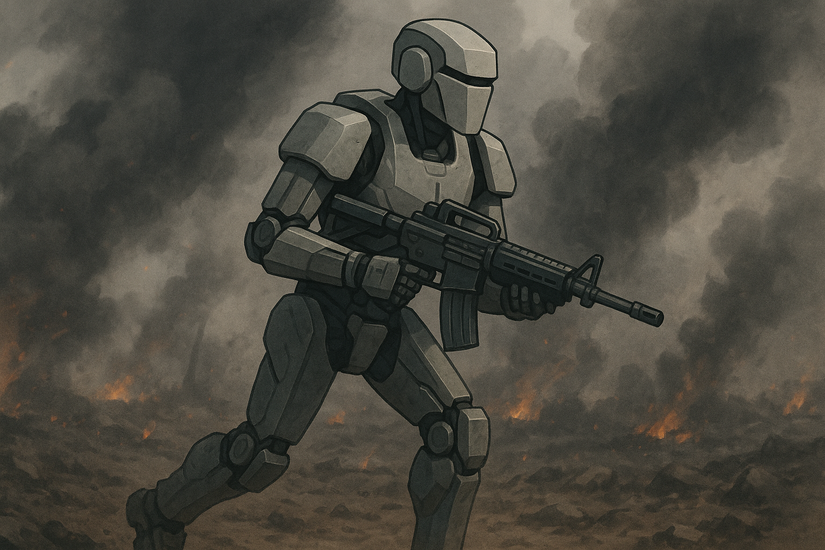
Military robots are machines designed to perform defense tasks with remote control, automation, or full autonomy. They operate on land, in the air, at sea, or through software systems that analyze battlefield data. Like other modern robot types, their goal is to reduce risk and increase mission effectiveness.
Why militaries use robots
Armies use robots to complete missions that are too dangerous or slow for human soldiers. Robots reach hazardous areas, gather intelligence, and support combat units from a distance. Their precision and endurance improve decision-making and reduce casualties.
Main types of military robots
Ground robots (UGVs)
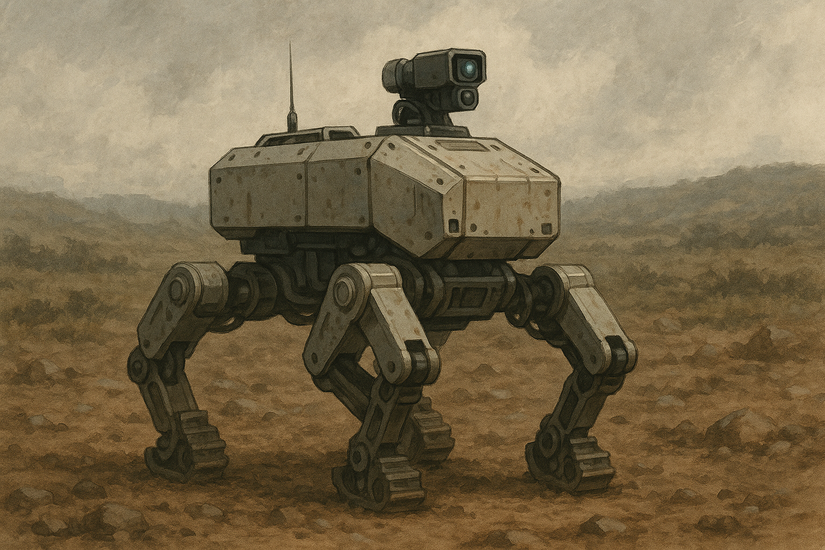
Unmanned ground vehicles assist with bomb disposal, surveillance, transport, and battlefield scouting. They navigate rugged terrain and keep human operators away from direct threats.
Aerial robots (UAVs and drones)
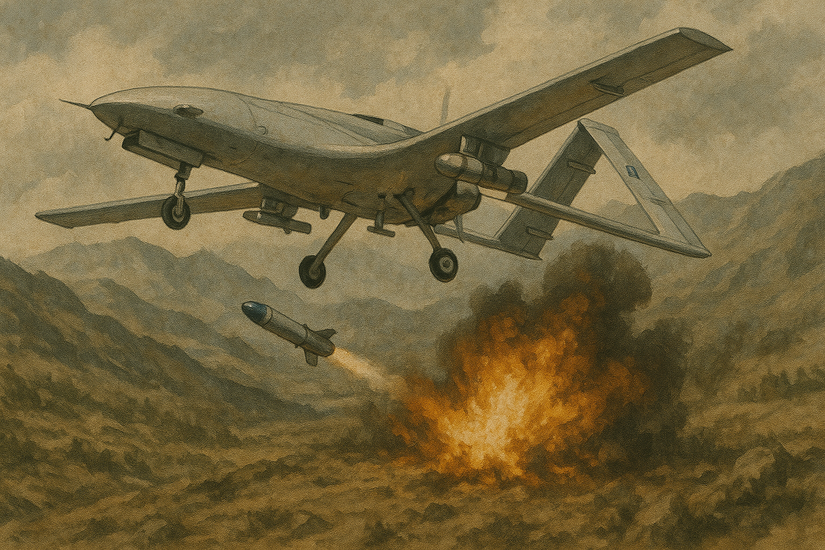
Aerial robots deliver real-time visuals, tracking, and strike capabilities. They cover large distances quickly and support tactical and strategic missions.
Naval robots (USVs and UUVs)
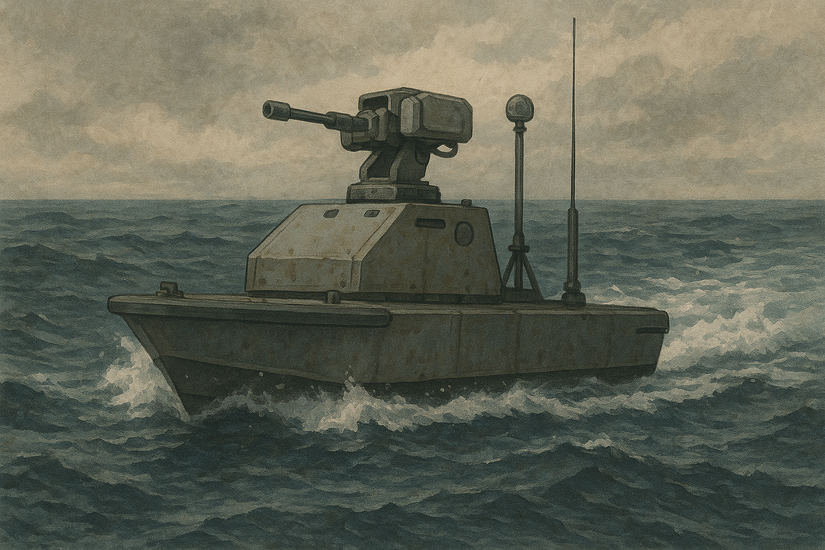
Unmanned sea vehicles detect mines, scout coastlines, and run stealth operations. They perform long missions where manned ships face a higher risk.
Cyber and AI-driven systems
Software-based robots analyze sensor data, classify threats, and provide targeting assistance. These systems support faster decision cycles and improve situational awareness across the battlefield.
Levels of autonomy in military robots
Human-operated systems
Human operators control movement and actions through controllers or command stations. These robots act only on direct input.
Semi-autonomous systems
Semi-autonomous robots handle basic navigation or threat detection independently. Humans approve critical decisions and mission steps.
Autonomous systems
Autonomous robots follow mission plans, identify objects, and move without direct input. They rely on sensors and AI to adapt to changing environments.
How military robots work
Military robots use sensors to detect obstacles, threats, and terrain conditions. Actuators move wheels, arms, rotors, or fins to carry out tasks. AI and communication modules help robots follow orders, avoid hazards, and share data with command units.
Real-world examples of military robots
Bomb disposal robots
Systems like TALON and PackBot neutralize explosives and inspect dangerous areas. Their cameras and arms help operators disarm threats safely.
Combat and reconnaissance drones
Drones such as Reaper, Bayraktar TB2, or Switchblade provide surveillance and precision strikes. They operate at high altitudes or close to targets with remote control.
Autonomous naval drones
Naval drones run long-distance missions, track enemy movement, or intercept hostile vessels. Their low visibility makes them ideal for stealth operations.
Logistic and support robots
Transport robots carry equipment, deliver supplies, or support medics in high-risk areas. They reduce soldier fatigue and improve mission efficiency.
Benefits and limitations
Robots reduce risk, improve accuracy, and operate for long periods without fatigue. They support faster threat detection and safer mission planning. Their limitations include communication loss, weather resistance, and the complexity of AI-driven decisions.
Ethical and legal concerns
Autonomous systems raise questions about accountability and compliance with international law. Nations debate the use of lethal autonomy and the need for human oversight. These concerns shape modern military robotics policies and development standards.
The future of military robots
Next-generation robots will rely more on AI, swarm coordination, and advanced sensors. Naval and aerial platforms will grow more autonomous and resilient. These improvements aim to support soldiers while reducing direct exposure to danger.
FAQs
Are military robots fully autonomous today? Most systems require human oversight. Fully autonomous combat robots remain limited and heavily regulated.
How are robots used in current conflicts? They support reconnaissance, mine clearance, logistics, and precision operations in active regions worldwide.
Can military robots make lethal decisions? Some research explores autonomous targeting, but most nations require human approval for lethal actions.
Are military robots replacing soldiers? Robots supplement human forces but do not replace them. Most missions still depend on human judgment and coordination.
Summary
- Military robots assist with reconnaissance, disposal, logistics, and precision missions.
- They operate as ground, aerial, naval, or AI-driven systems.
- Autonomy ranges from fully manual control to advanced autonomous behavior.
- Modern examples include drones, bomb disposal robots, and naval vehicles.
- Ethical and legal debates influence how these systems evolve.
Military robots support mission safety and efficiency while reducing direct risk to soldiers. Their growing role in ground, air, and sea operations shows how technology reshapes defense. Clear rules, oversight, and innovation will guide the next wave of military robotics.


Discussion (0)
Be the first to comment.