



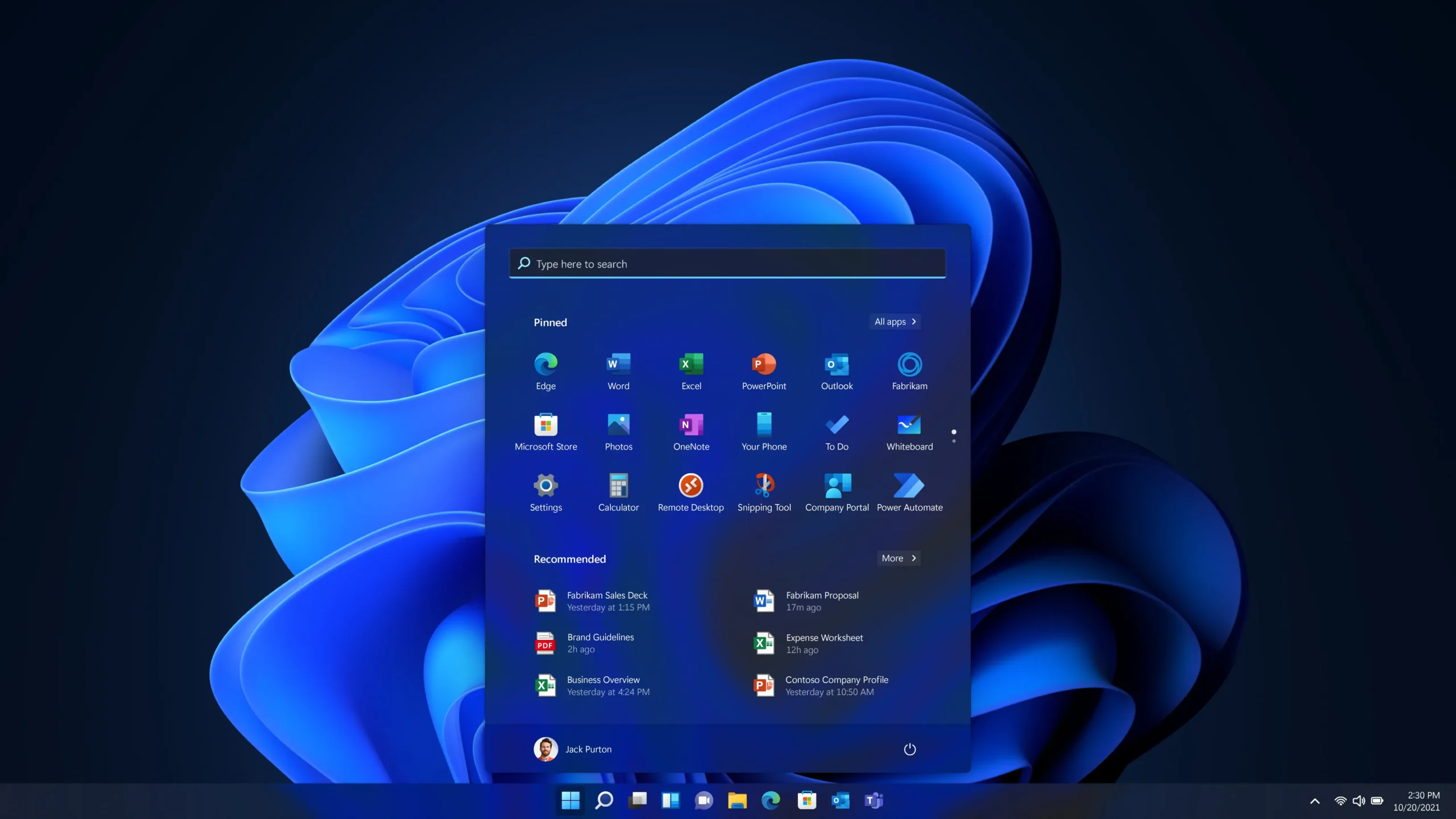
Microsoft veterans have pushed back on a long standing assumption about the origin of the Windows taskbar, saying the design that debuted with Windows 95 was developed internally rather than copied from NeXTSTEP.
The taskbar became one of the defining parts of Windows 95. It gave people a persistent way to see open programs, switch between them, and access system controls from the bottom of the screen.
Because NeXTSTEP already had a dock like interface in the late 1980s, some observers assumed Microsoft's design was inspired by it. Former Microsoft staff now say that was not the case.
According to people who worked on Windows during that period, the taskbar grew out of earlier Microsoft interface experiments, particularly a project known as Cairo.
| Detail | Information |
|---|---|
| Windows taskbar debut | Windows 95 |
| Earlier Microsoft project | Cairo |
| Cairo development began | 1991 |
| NeXTSTEP appeared | 1988 |
| Main claim | Windows 95 taskbar was developed independently |
| Earlier Windows influence | Windows 3.1 minimize behavior |
Cairo Helped Shape the Taskbar
Cairo was an experimental Microsoft operating system project that began in the early 1990s.
One of its interface ideas involved persistent fields positioned along the bottom of the screen. These elements remained visible and helped provide quick access to active parts of the system.
When Microsoft later developed the Windows 95 interface, that concept was combined with behavior already present in Windows 3.1, where minimized programs could be managed from the desktop environment.
That combination eventually evolved into the taskbar design that shipped with Windows 95.
Former Windows executive Brad Silverberg has said the Windows 95 taskbar was developed independently and was not taken from NeXT. He also said the Windows 95 interface designer responsible for the feature had previously confirmed that the design was his own.
NeXTSTEP Had a Similar Idea Earlier
NeXTSTEP did include a dock before Windows 95 arrived.
The operating system launched in the late 1980s for NeXT computers and introduced several interface ideas that later influenced macOS.
Its dock allowed applications and files to be represented through icons and became an important ancestor of the Dock still used on modern Macs.
That timing made comparisons with Windows understandable.
However, the Microsoft account suggests that similar interface problems were being solved independently by different companies at roughly the same period.
The NeXTSTEP dock and Windows taskbar also worked differently in practice. Windows focused heavily on showing running applications as labeled buttons, while NeXTSTEP relied more heavily on icons and application launching.
Windows 95 Made the Taskbar a Core Part of the PC Desktop
Windows 95 turned the taskbar into a standard part of desktop computing.
Its combination of open application buttons, the Start button, notification area, and clock created a layout that remained recognizable across later Windows versions.
Microsoft adjusted the design repeatedly over the following decades, but its basic role stayed largely unchanged.
The biggest recent shift came with Windows 11.
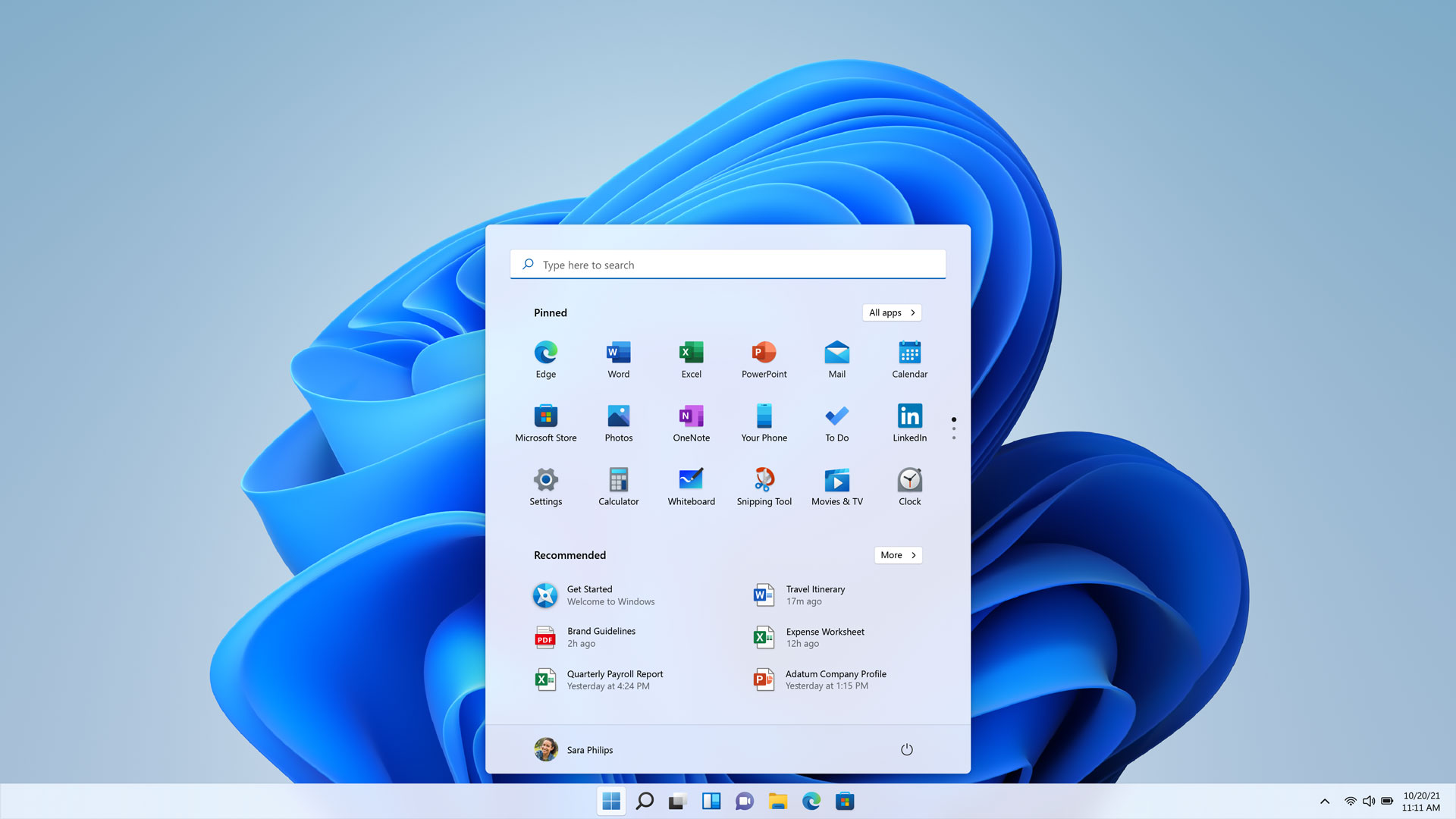
Microsoft centered taskbar icons by default and initially removed several customization options, including the ability to move the taskbar to other sides of the screen.
That decision drew criticism from people who had relied on those options for years.
Microsoft has since started restoring some of the missing flexibility.
The discussion around the taskbar's origins shows how interface history can become simplified over time. NeXTSTEP had an earlier dock, but Microsoft's former staff say the Windows taskbar came from its own internal experiments and Windows development work rather than direct imitation.
That distinction matters because both interfaces went on to shape modern desktop computing in different ways.
Discussion (0)
Be the first to comment.