



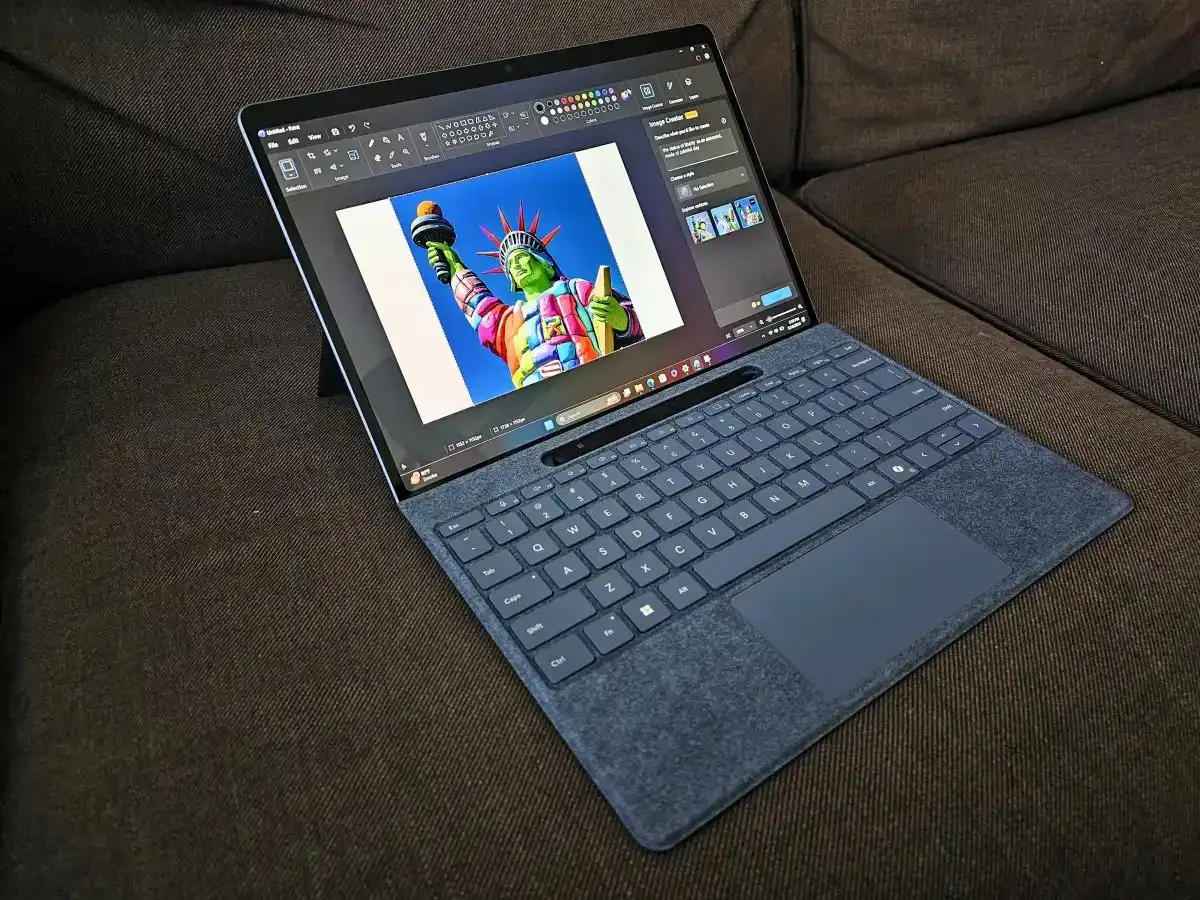
Microsoft knows its new Surface Pro and Surface Laptop models are expensive, but the company says that is part of the strategy. The new Surface Pro 12 and Surface Laptop 8 are not meant to chase cheaper Windows laptops. They are designed to push premium Windows on Arm hardware forward with Snapdragon X2 chips, stronger graphics, better cameras, long battery life, and higher memory and storage options.
The new Surface Pro starts at $1,499, while the Surface Laptop starts at $1,599. That is a major jump from earlier Surface models that launched around $999. Microsoft is not pretending otherwise. The company says it is aware of pricing pressure, but this launch is focused on premium Surface devices rather than lower cost competition.
Microsoft also hinted that it has plans for cheaper devices, but those are not being announced yet. For now, the new Surface lineup is about showing what the Windows ecosystem can do with Qualcomm’s latest Arm based chips.
Why Microsoft is charging more for Surface
Microsoft’s Surface strategy is different from companies such as Dell, Lenovo, Asus, and HP. Those PC makers try to cover as many price points as possible. Microsoft says Surface does not need to compete in every category.
Instead, Surface is used to lead certain parts of the Windows hardware market. In this case, Microsoft wants to prove that Windows on Arm can work as a premium laptop and tablet platform.
That explains the high pricing. Microsoft is not positioning the Surface Pro 12 and Surface Laptop 8 as budget machines. It wants them to compete with premium laptops, including Apple’s higher end MacBooks.
| Device | Starting price | Main focus |
|---|---|---|
| Surface Pro 12 | $1,499 | Premium Windows tablet with Snapdragon X2 |
| Surface Laptop 8 | $1,599 | Premium Windows laptop with Snapdragon X2 |
| Surface Pro 11 | $999 launch price | Previous generation comparison |
| Surface Laptop 7 | $999 launch price | Previous generation comparison |
Surface Laptop 8 gets stronger specs and a brighter display
The new Surface Laptop 8 comes in 13.8 inch and 15 inch versions. Microsoft is offering Snapdragon X2 Plus and Snapdragon X2 Elite chips, with 10 core and 12 core options. It is not using Qualcomm’s highest 18 core X2 Elite Extreme chip in these models.
Memory options go up to 64GB, while removable PCIe Gen 4 SSD storage reaches up to 2TB on the Laptop. That is an improvement over the previous 1TB limit.
The 15 inch model also gets a sharper display with 262 pixels per inch, Dolby Vision IQ support, and 600 nits of peak brightness in SDR and HDR modes. The 13.8 inch model adds a new Jade color option.
Microsoft is also leaning heavily on camera quality. The company says the new 13.8 inch Surface Laptop earned the top integrated webcam score from DXOMark. Both Laptop models use 1080p cameras, while the Surface Pro supports up to 1440p video.
Surface Pro 12 is more about the chip than the design
The Surface Pro 12 is a harder upgrade to explain because the design remains close to the previous model. The biggest change is the Snapdragon X2 processor.
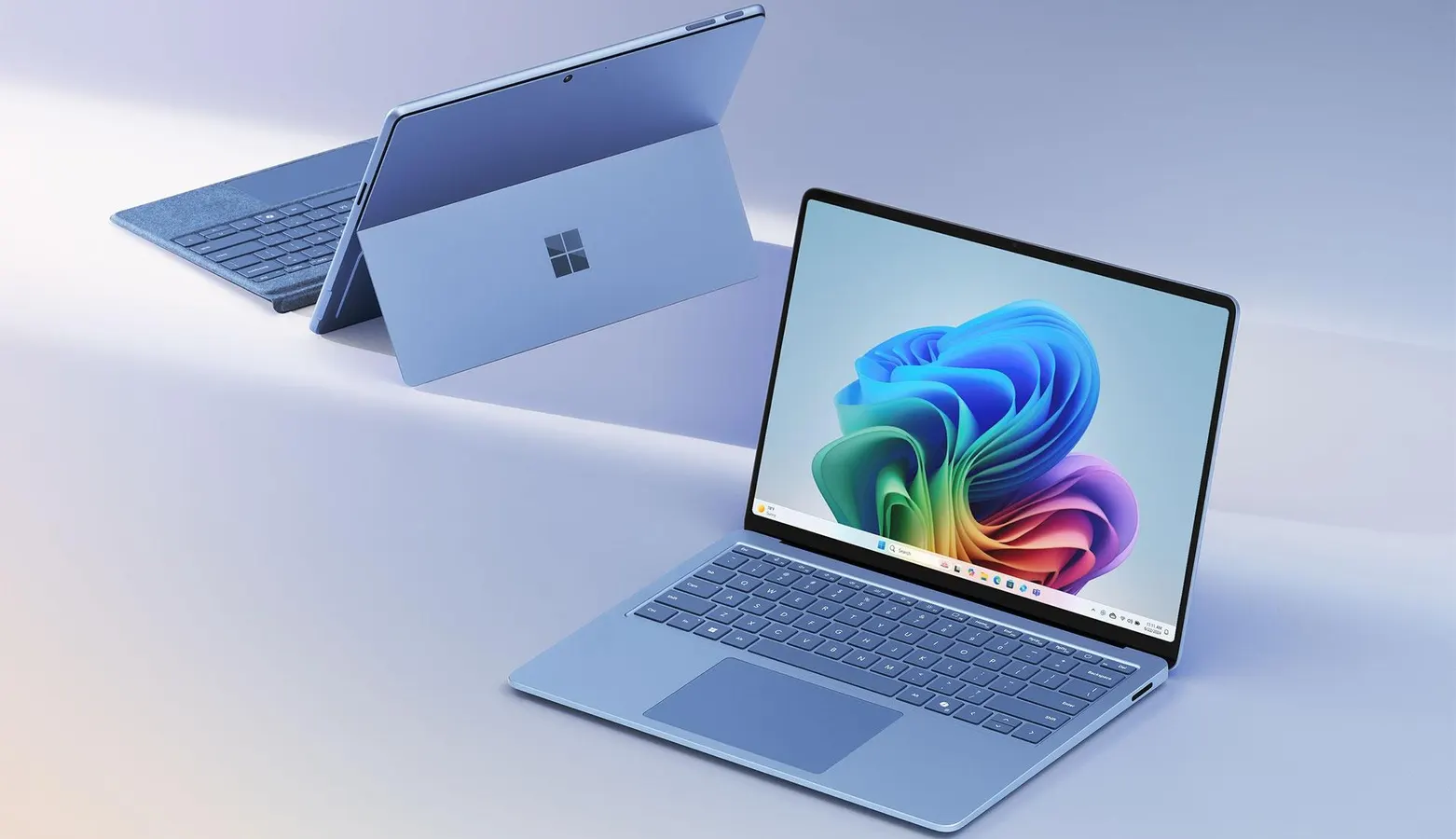
Microsoft is keeping the OLED display option and offering colors such as Dune, Platinum, and Black. The older Sapphire color is gone. Buyers who purchase before June 30 can get a free Pro Keyboard, although that keyboard must stay physically attached to work. The more advanced Pro Flex Keyboard works wirelessly and is sold separately.
Microsoft is also offering trade ins worth up to $900, which may soften the higher price for some buyers.
Snapdragon X2 is meant to improve Windows on Arm performance
Microsoft says the Snapdragon X2 generation offers much better graphics performance than the previous Surface models. The company claims graphics are around 58 percent faster, although real performance will depend on cooling, workload, and the exact chip configuration.
Battery life is another focus. Microsoft claims up to 20 hours on the 13.8 inch Surface Laptop and up to 19 hours on the 15 inch model. Real world battery life will likely be lower, but the Surface line is clearly trying to keep one of Arm’s biggest advantages intact.
The bigger goal is ecosystem confidence. Microsoft wants OEM partners to believe Windows on Arm is ready for premium laptops. Surface is being used as the proof point.
Microsoft is leaving cheaper PCs to its partners for now
Microsoft knows cheaper laptops are becoming more important. Apple’s MacBook Neo and lower priced Windows laptops are putting pressure on premium PC pricing. Microsoft says it has plans to address lower price points later, but it is not using this Surface launch to do that.
The company appears to prefer a broader Windows strategy. Microsoft wants OEM partners to compete at lower prices while Surface remains focused on premium hardware and productivity.
That also explains why Microsoft is not making a Surface gaming laptop. The company says Windows gaming laptops are already healthy through partners, so Surface does not need to enter that space.
Surface is staying premium even if the price is harder to accept
The new Surface Pro 12 and Surface Laptop 8 will not please buyers looking for affordable Windows PCs. These are expensive devices, and the price jump from the previous generation is significant.
But Microsoft’s message is clear. Surface is not trying to win every price tier. It is trying to show where Windows on Arm can go next.
That strategy could work if the new Snapdragon X2 models deliver strong performance, excellent battery life, reliable app compatibility, and a polished premium experience. If they fall short, the higher prices will be harder to defend.
For now, Microsoft is betting that Surface buyers will pay more for a premium Windows device that helps move the entire Windows on Arm ecosystem forward.



Discussion (0)
Be the first to comment.