



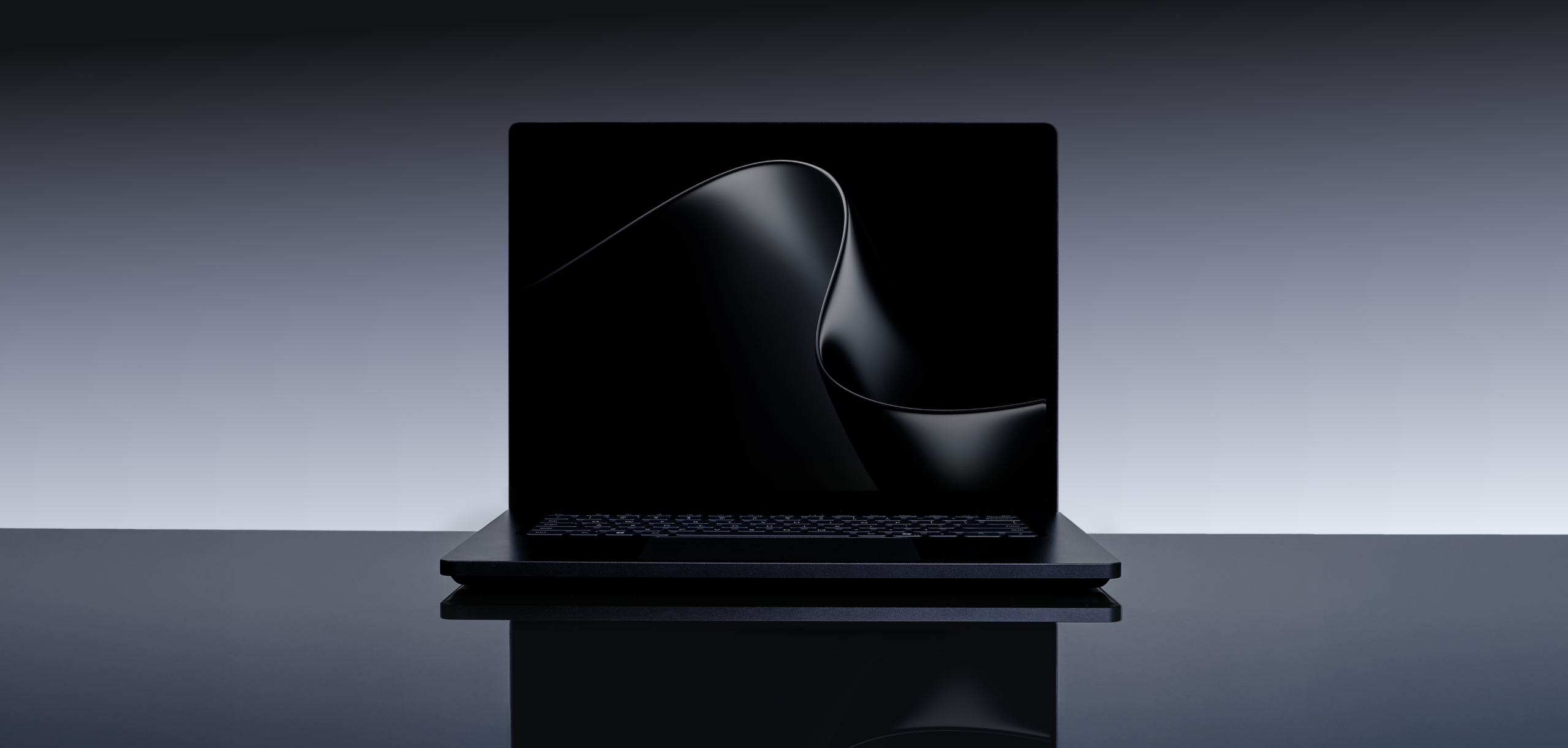
Microsoft has made it clear that a Surface gaming laptop is not part of its current plan. The company says the Windows gaming laptop market is already healthy, and Surface does not need to enter every PC category when other hardware partners are already serving it well.
That answer comes from Brett Ostrum, Microsoft’s corporate vice president for Surface Devices. He said Surface is meant to help lead the Windows ecosystem where Microsoft sees a need, not compete in every area where partners are already strong. Gaming laptops fall into the second category.
For anyone hoping Microsoft would eventually build a Surface device with a high end gaming GPU, RGB keyboard, aggressive cooling, and Xbox branding, the message is disappointing. From the Surface side, the gaming laptop dream appears to be over.
Why Microsoft is avoiding gaming laptops
Microsoft’s position is simple. It does not believe Surface needs to participate in a category where the broader Windows PC ecosystem is already doing well.
Gaming laptops are one of the strongest parts of the Windows PC market. Companies such as Asus, Lenovo, Acer, MSI, HP, Razer, Dell, and others already offer a wide range of gaming systems. Some focus on thin premium machines, others focus on maximum performance, and many target different price points.
Microsoft sees no need to enter that crowded field just to chase growth. Surface devices have traditionally been used to show what Windows hardware can be, especially in categories Microsoft wants to push forward. A Surface gaming laptop would likely compete directly with partners instead of opening a new category.
| Question | Microsoft’s current position |
|---|---|
| Will Surface make a gaming laptop? | No current plan |
| Why not? | The Windows gaming laptop market is already healthy |
| Could partners keep leading? | Yes, Microsoft appears comfortable with that |
| Could Xbox make gaming hardware separately? | Possible, but not confirmed |
| What is Microsoft focusing on instead? | Surface productivity PCs and broader Xbox gaming ideas |
Surface is choosing a different role in the PC market
Surface has never been only about chasing volume. Microsoft has often used the brand to define a direction for Windows hardware. The Surface Pro helped popularize detachable 2 in 1 PCs. Surface Laptop focused on a clean Windows laptop experience. Other models explored dual screen, studio, and premium productivity designs.
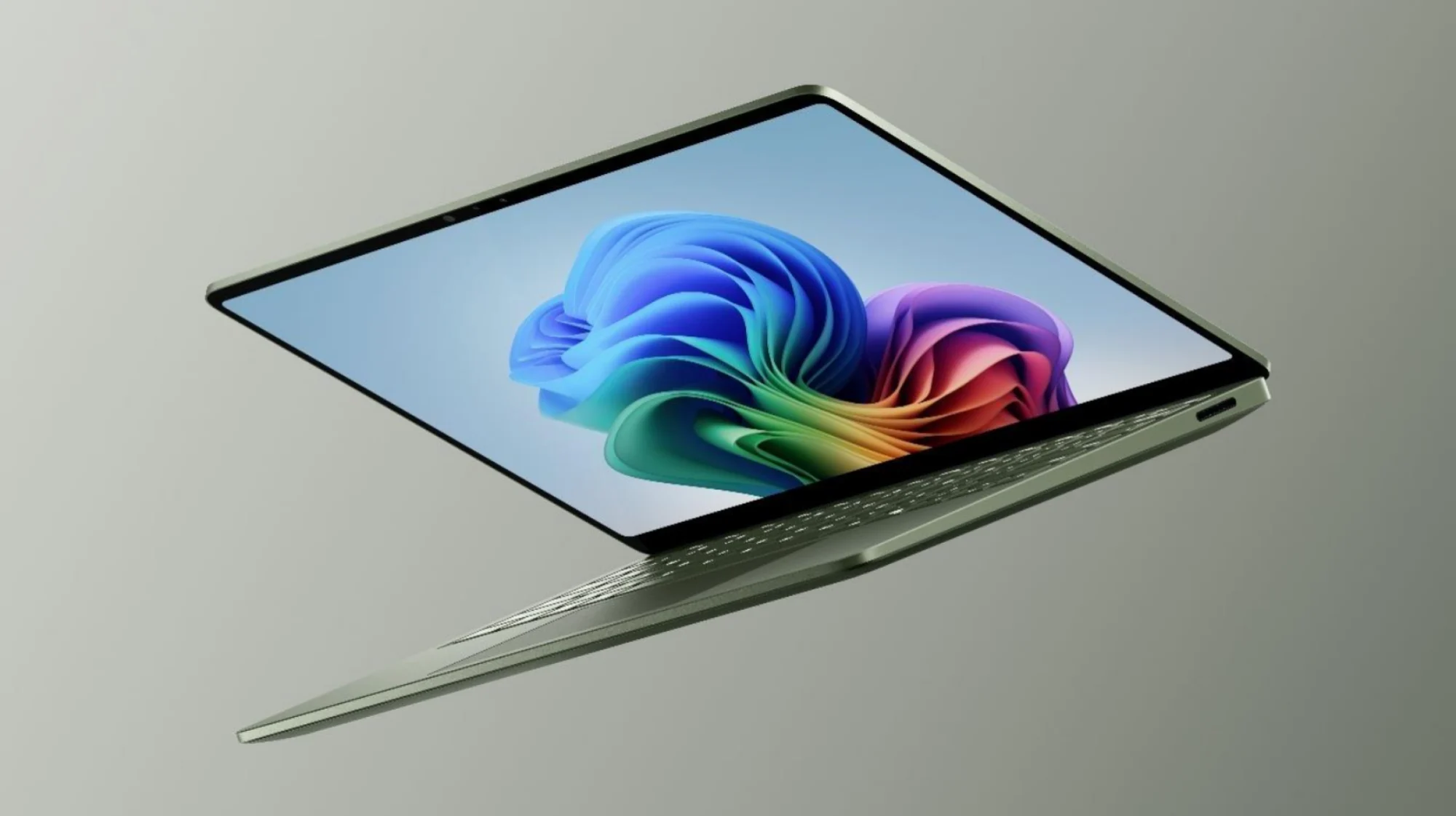
That strategy has also drawn criticism. Some Surface devices have gone years without major design changes, and pricing has sometimes looked high compared with traditional Windows laptops. Still, Microsoft appears to view Surface as a reference point for the ecosystem, not as a brand that must compete in every segment.
Gaming laptops do not need that same push from Microsoft. The category already has strong competition, strong demand, and frequent hardware updates.
Project Helix may be Microsoft’s real gaming hardware focus
The lack of a Surface gaming laptop does not mean Microsoft is done experimenting with gaming hardware. Project Helix remains one of the more interesting possibilities.
Microsoft has not fully explained how Helix will work, but it is expected to connect console and PC gaming more closely. It could involve Xbox hardware, PC games, cloud gaming, handheld ideas, or a hybrid approach that borrows from devices such as the Xbox ROG Ally.
That path makes more sense for Microsoft than a traditional gaming laptop. Instead of competing with Windows partners, Microsoft could focus on a device or platform idea that connects Xbox and PC in a new way.
Surface Laptop Ultra is not the same thing
Some may point to the upcoming Surface Laptop Ultra as a possible gaming device because it includes an Nvidia RTX Spark GPU. But that does not make it a traditional gaming laptop.
The device is expected to pair that GPU with a MediaTek CPU and Windows on Arm. Gaming on Windows on Arm has improved, but it still has compatibility and performance questions compared with standard x86 gaming laptops.
Surface Laptop Ultra may be powerful for AI, productivity, and some graphics workloads, but it is not being positioned as a gaming laptop with the kind of hardware and design that gamers usually expect.
The Surface gaming laptop dream is effectively dead
Microsoft could always change direction later, and the Xbox division could theoretically explore gaming PC hardware of its own. But based on the current Surface strategy, a Surface branded gaming laptop is not happening.
That decision may frustrate some fans, but it is not surprising. Microsoft’s partners already dominate Windows gaming laptops, and the company has little reason to compete with them directly.
Instead, Microsoft seems more interested in supporting the larger Windows gaming ecosystem while using Xbox and future projects to explore new gaming experiences. For now, anyone who wants a Windows gaming laptop will need to keep looking at Microsoft’s hardware partners rather than waiting for a Surface model.



Discussion (0)
Be the first to comment.