



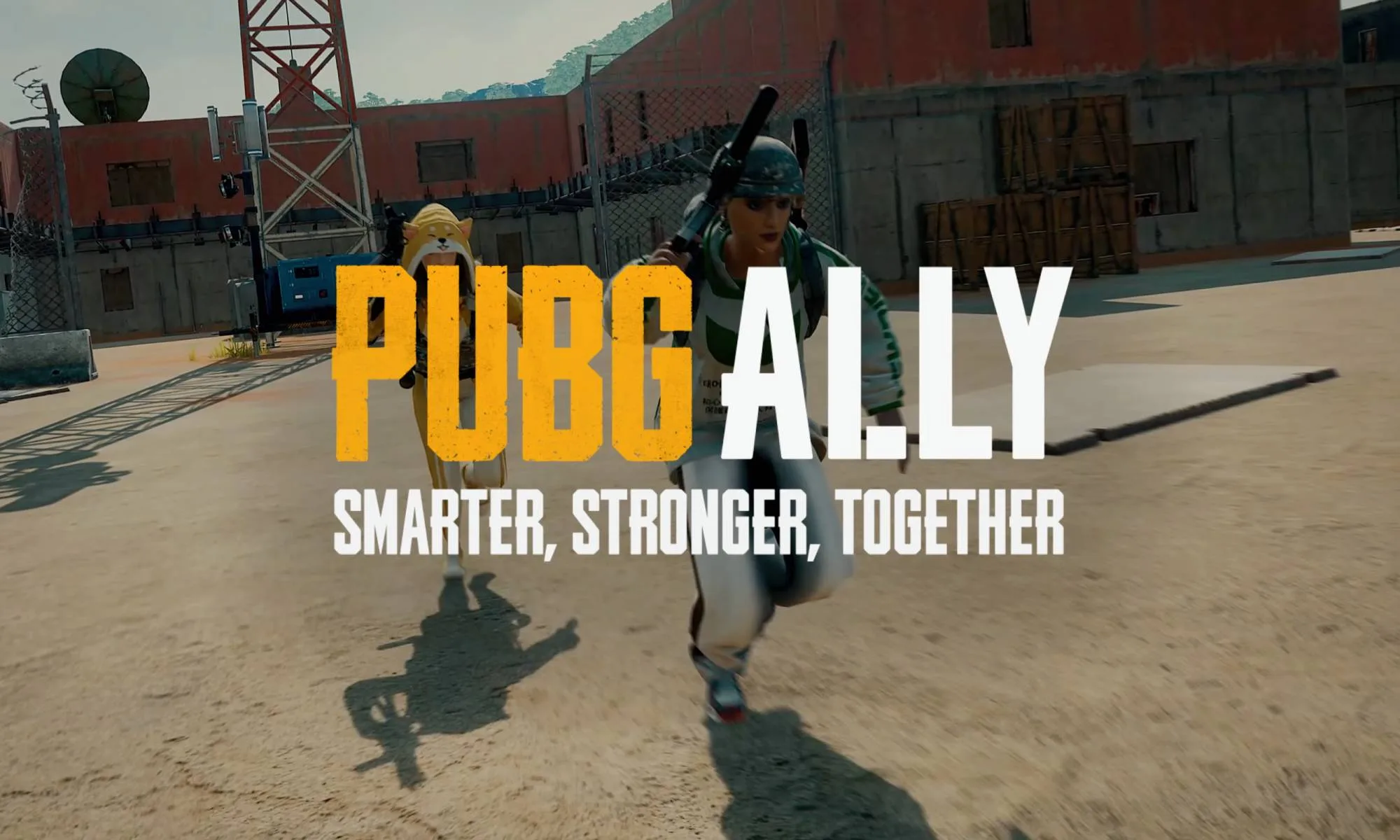
Nvidia’s ACE technology is finally moving from demos into a playable game mode, with PUBG adding an AI controlled squadmate through a limited Ally Duo Mode. The feature is available until June 30 and lets players team up with a computer controlled partner that can talk, react, and assist during a match.
The system is designed to make an NPC feel closer to a real teammate. Instead of relying only on fixed voice lines and basic scripted behavior, Nvidia ACE uses small language models to process speech, respond in real time, and understand parts of the game environment. In PUBG, that means the AI squadmate can give basic advice, call out items, and react to the flow of a battle royale match.
The test is limited to players with an Nvidia graphics card that has at least 8GB of memory. Nvidia says the mode is not meant to give players a competitive advantage, which is important for a game where fairness matters.
What Nvidia ACE does in PUBG
Nvidia ACE, short for Avatar Cloud Engine, has been shown for years as a way to make game characters more lifelike. PUBG is now giving players a clearer look at how it works in an actual match instead of a controlled tech demo.
The Ally Duo Mode adds an AI teammate that can speak and respond during gameplay. The demo shows the squadmate giving suggestions about where to land, pointing out weapons, and reacting to what is happening around the player.
This is different from older game NPCs that mostly follow scripted paths or repeat pre recorded dialogue. ACE tries to generate responses based on the situation, which could make the teammate feel more flexible.
| Feature | What it means in PUBG |
|---|---|
| AI squadmate | A computer controlled partner joins the player |
| Real time speech | The character can respond during gameplay |
| Small language models | Used for understanding and generating dialogue |
| Nvidia hardware requirement | Needs a GeForce GPU with at least 8GB memory |
| Limited availability | Ally Duo Mode runs until June 30 |
| No competitive advantage | The mode is designed as a test, not a ranked boost |
Why this test matters for gaming NPCs
Computer controlled teammates have often been a problem in games. They can get stuck, ignore danger, waste resources, or behave in ways that break immersion. If Nvidia ACE can make them more aware and more responsive, it could be useful beyond PUBG.
The bigger idea is not only about having a talking squadmate. It is about building NPCs that can understand more of the game world and react in a way that feels less mechanical. That could help shooters, role playing games, open world games, and co op style experiences.
A game character that can explain a location, react to a player’s choices, or give useful help without repeating the same few lines could make worlds feel more alive.
The AI teammate still has a lot to prove
The PUBG test is interesting, but it also comes with clear questions. A squadmate in a battle royale game needs to do more than talk. It has to make good combat decisions, move safely, avoid giving away the player’s position, and help under pressure.
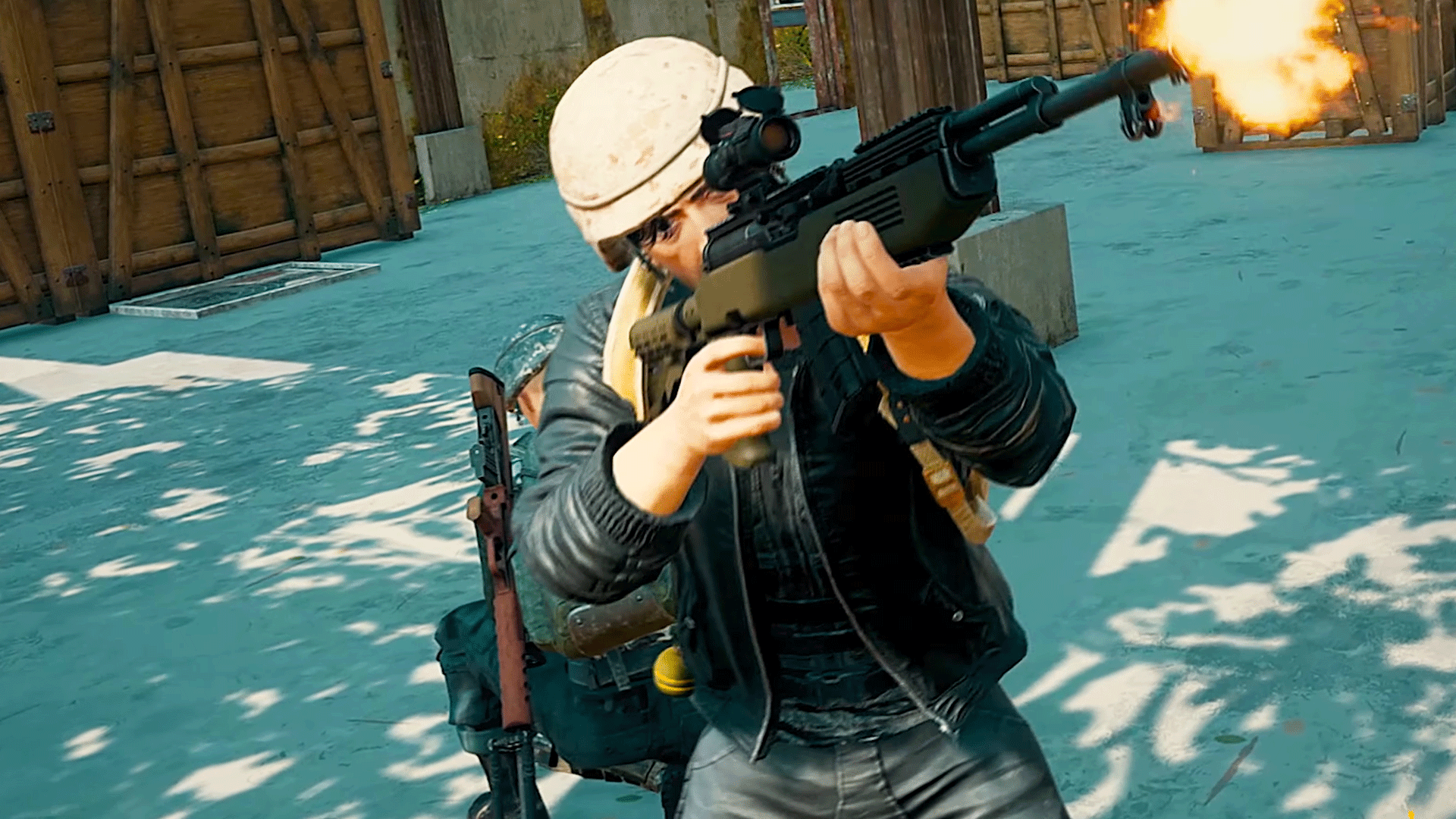
High skill players may still find an AI partner less useful than a real teammate. In fast matches, even a small delay or poor decision can matter. The AI could end up being more useful as a distraction or support tool than as a serious combat partner.
There is also the issue of personality. AI generated responses can sometimes sound too polite, too generic, or too eager to please. If every AI character talks in the same style, the technology may still feel artificial even when it reacts dynamically.
Nvidia’s hardware requirement shows the limits
The 8GB GPU memory requirement is a reminder that this technology is still demanding. ACE needs enough local resources to run the models and handle gameplay at the same time.
That may limit how quickly similar features spread across games. A single AI squadmate is one thing. Filling a large open world with hundreds of dynamic ACE powered characters would be much harder.
Still, even one useful AI companion could be a meaningful step. Developers do not need every NPC to be fully dynamic for the technology to matter. It could first appear in squadmates, guides, quest characters, trainers, or support roles.
PUBG could be an early look at the next NPC era
PUBG’s Ally Duo Mode is a limited experiment, but it may be one of the first real tests of AI driven companions in live gameplay. The result will show whether players see Nvidia ACE as a useful tool or another flashy AI feature that sounds better in demos than in matches.
The potential is real. Smarter NPCs could make games more flexible, more reactive, and less dependent on repetitive dialogue. But the technology needs to prove that it can help players without feeling awkward, distracting, or unfair.
For now, Nvidia ACE in PUBG is worth watching because it moves AI companions into a real game environment. If the system works well, this could be the start of more dynamic teammates and more responsive game worlds.



Discussion (0)
Be the first to comment.