



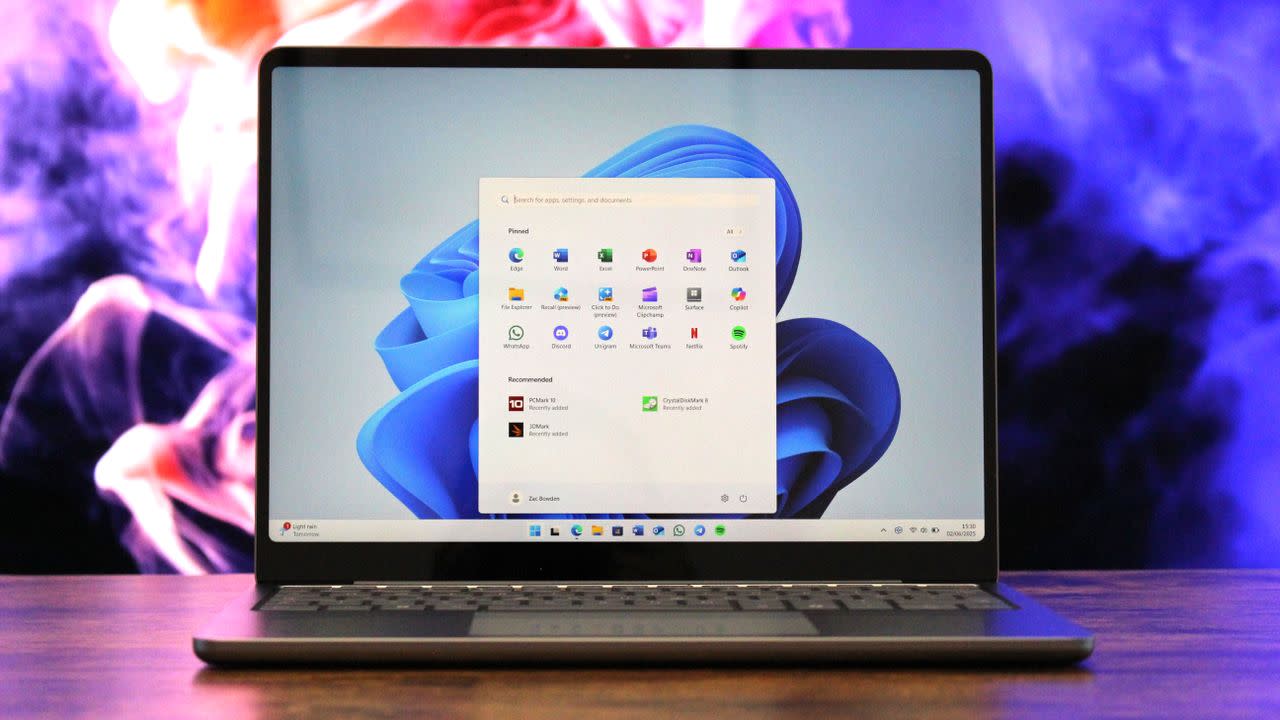
Microsoft has admitted that faulty third party drivers have been causing Windows laptops to lose battery life, slow down, and run worse than expected for years. The company is now changing how it checks and approves drivers so these problems can be caught earlier.
The issue is not limited to crashes. Until now, Microsoft mainly judged driver quality by whether a driver caused serious system failures. If a driver did not crash Windows, it could still be treated as stable, even if it quietly harmed battery life, increased heat, caused audio problems, or made games feel less smooth.
That created a major blind spot. A bad driver could prevent a laptop from entering a low power state while in standby. In that case, the device might keep using more power than expected even when the lid is closed or the system appears idle. For users, this could mean opening a laptop later and finding the battery badly drained or completely empty.
Windows driver checks will now look beyond crashes
Microsoft discussed the change at WinHEC 2026, where it said driver testing needs to focus more on real world user experience. The company wants to evaluate drivers based on power use, heat, performance, and stability, not only system crashes.
| Old driver evaluation | New driver evaluation |
|---|---|
| Focused mainly on crashes and system failures | Will also check battery drain, heat, and performance impact |
| Relied heavily on Windows Error Reporting data | Will use broader quality signals |
| Could miss drivers that caused slowdowns or battery drain | Designed to catch bad behavior earlier |
| Faulty drivers could stay available through updates | Problem drivers can be rolled back or blocked |
This matters because many common Windows problems are not always caused by Windows itself. Drivers control how hardware such as graphics chips, audio devices, network adapters, and other components work with the operating system. If those drivers behave badly, the whole PC can feel broken.

Microsoft says these driver issues have been linked to problems such as high latency, audio crackling, choppy sound, graphics errors, dropped frames in games, and micro stutters. These are the kinds of issues that can make a PC feel unreliable even when it never shows a blue screen.
The new system should also help with Windows Update problems. Microsoft plans to use automatic driver rollback through Windows Update so faulty drivers can be removed more quickly. Older drivers that fail to meet Microsoft’s quality standards may also be blocked.
For laptop users, the battery improvements could be the most noticeable change. Modern Windows laptops are supposed to reduce power use heavily when idle or in standby. If one faulty driver blocks that behavior, the battery can drain while the device is not being actively used.
This does not mean Windows 11 battery issues will disappear overnight. Microsoft still depends on hardware makers and driver developers to improve quality. But the company is now admitting that the old system missed too much.
The change is important because Windows PCs are built from many different hardware combinations. That flexibility is one of the platform’s strengths, but it also makes driver quality harder to control. A stricter approval process could make Windows laptops more reliable, especially for battery life and everyday performance.
For users, the takeaway is simple. Windows Update may not always be the real cause when a PC slows down or loses battery quickly after an update. A third party driver may be responsible. Microsoft’s new approach should make it harder for those bad drivers to pass through unnoticed.

Discussion (0)
Be the first to comment.