



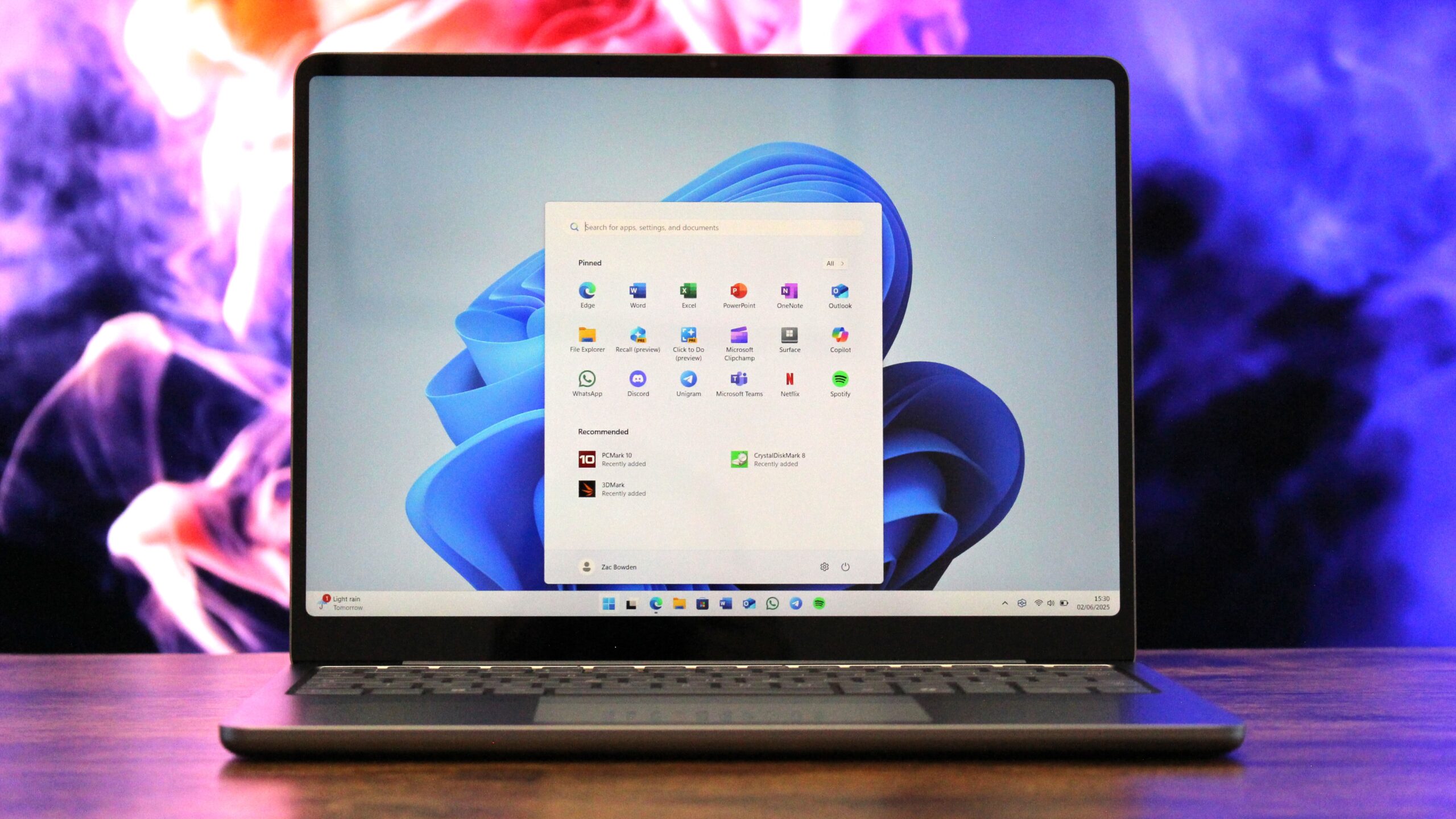
Microsoft has explained why Windows 11 launched without some familiar customization options from Windows 10, including the ability to move the taskbar and resize the Start menu.
The main reason was a major redesign of the Windows interface. When Windows 11 was developed, Microsoft did not simply carry over large parts of the older Win32 taskbar code. Instead, the company rebuilt key parts of the experience around newer frameworks.
That decision made the interface more modern internally, but it also meant some long standing features had to be left behind.
The movable taskbar was one of them.
Why the taskbar could not move
In Windows 10, you could place the taskbar at the top, bottom, left, or right side of the display. Windows 11 initially removed that option and locked the taskbar to the bottom.
Microsoft said bringing the feature back was more complicated than it might appear.
Moving the taskbar changes how application windows, icons, notifications, system controls, and interface elements must react. A taskbar placed on the left or right side also needs different layout behavior compared with one placed horizontally.
The newer Windows 11 framework was not originally built to support those changes.
| Windows feature | What changed in Windows 11 |
|---|---|
| Taskbar position | Initially locked to the bottom |
| Start menu size | Fixed layout with less customization |
| Older Win32 code | Large parts were not carried over |
| Start menu framework | Originally based on React, later moved to WinUI |
| Current direction | More customization is returning |
Microsoft also said that relatively few people moved the taskbar away from its default position. That reduced the feature's priority during early Windows 11 development.
However, the missing option became a recurring complaint among a smaller but vocal group of Windows customers. Microsoft eventually started testing movable taskbar support again through Windows Insider builds.
The Start menu faced a similar problem
Windows 11 also removed much of the Start menu flexibility available in Windows 10.
Microsoft experimented with several designs before settling on the original Windows 11 layout. Five different Start menu prototypes were reportedly created, but four were rejected during development.
The company was aiming for a cleaner and simpler interface, which made deeper customization harder to fit into the original design.
The Start menu initially used React, a web focused framework. Microsoft later moved more of the interface to WinUI, partly to improve efficiency and reduce memory use.
That shift is also making broader changes easier.
WinUI is opening the door to more customization
Microsoft is now modernizing more parts of Windows 11 with WinUI, giving developers more flexibility to change the taskbar, Start menu, and other interface areas.
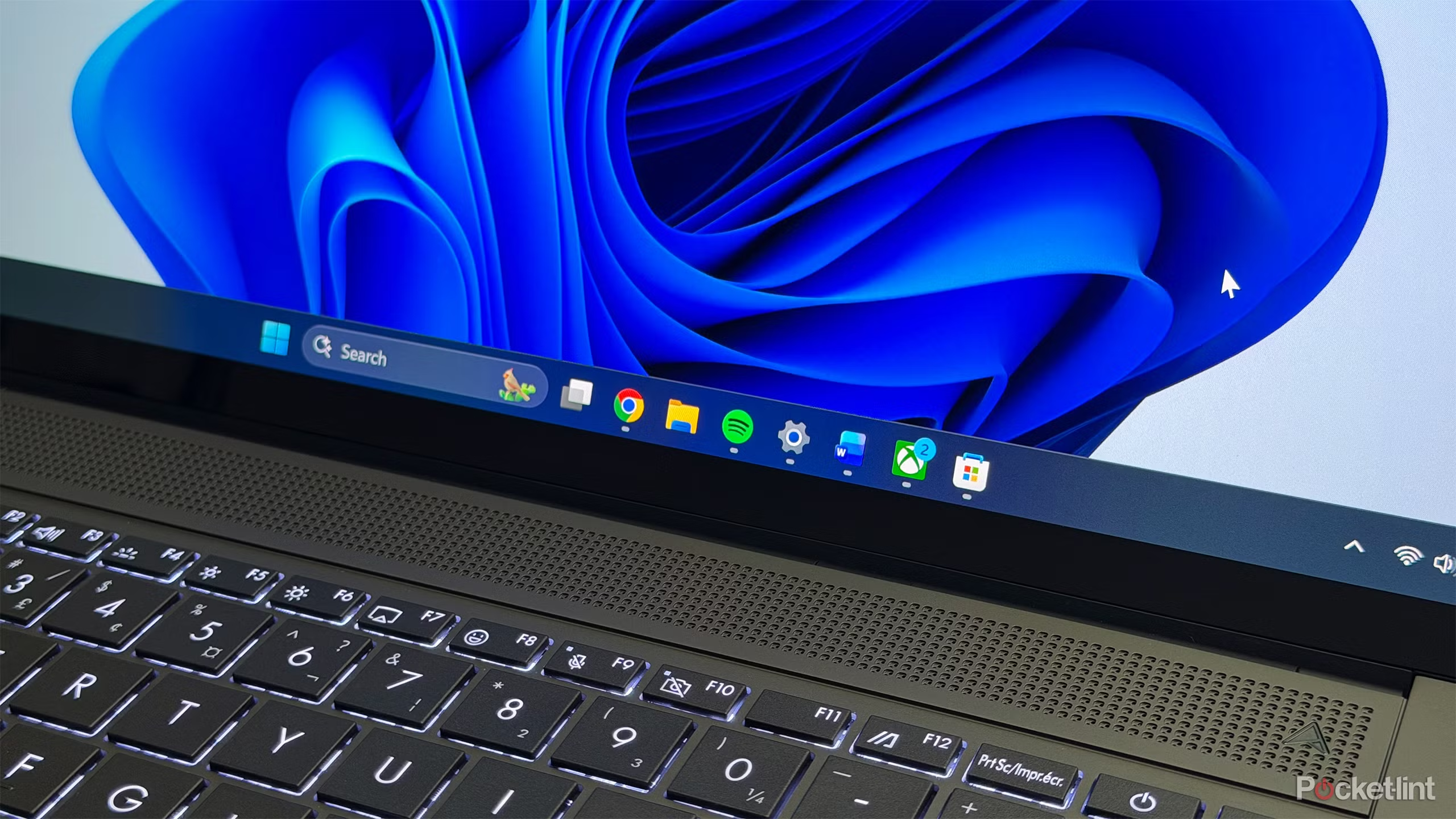
As a result, features that disappeared during the transition from Windows 10 are beginning to return.
The movable taskbar is one example. Start menu resizing and other customization controls are also being restored or expanded.
The five year delay was therefore less about Microsoft forgetting the features and more about the cost of rebuilding them on top of a different interface architecture.
Windows 11 launched with a narrower set of customization options because Microsoft prioritized rebuilding the core experience first. As the newer framework has matured, the company has been able to bring back features that were difficult to support during the operating system's early years.


Discussion (0)
Be the first to comment.