



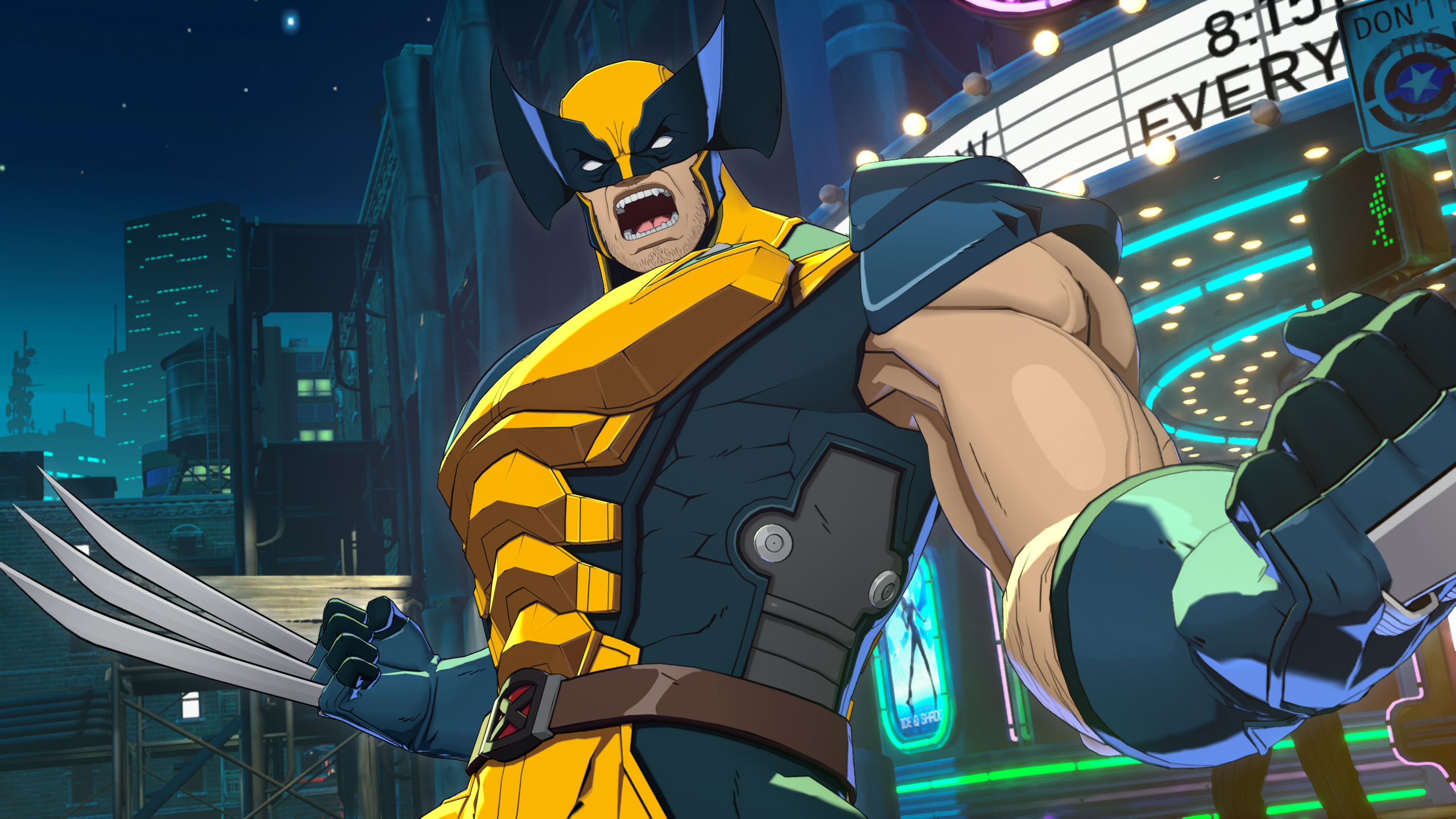
Marvel Tōkon: Fighting Souls is facing renewed criticism on PC after reports claimed that an unofficial build of the game runs more smoothly than the paid retail version.
The fighting game launched on August 6, 2026 for PlayStation 5 and PC, but its Steam reception quickly turned mixed because of technical problems. Players have reported unstable frame rates, micro stutters, crashes, graphics setting issues, and inconsistent online performance even on systems that exceed the recommended specifications.
The PlayStation 5 version has reportedly avoided many of these problems, which has increased attention on software specific to the PC release.
PC players continue to report performance problems
Marvel Tōkon has received strong praise for its fighting mechanics, but the technical state of the PC version has become a major issue.
At the time of the report, Steam reviews were sitting at roughly 47 percent positive across several thousand user ratings.
| PC issue | Reported impact |
|---|---|
| Frame rate instability | Performance can fall below the expected 60 FPS |
| Micro stutters | Interrupt otherwise smooth gameplay |
| Crashes | Reported by some PC players |
| Graphics settings | Some options reportedly behave incorrectly |
| Online play | Rollback spikes and netcode complaints |
| Steam Deck and Linux | Game reportedly fails to launch due to anti cheat |
| PSN requirement | Mandatory for online play |
The game also requires a PlayStation Network account for online features on PC.
That requirement has created another point of criticism because the game was reportedly unavailable for purchase in more than 130 countries where PSN support is limited, despite offline modes not requiring the same functionality.
Unofficial build reportedly shows much lower CPU use
The latest controversy centers on reports from players comparing the retail release with an unofficial version that does not include the same protection and background systems.
Some players claim the unofficial build can maintain a stable 60 FPS on hardware where the retail version struggles.
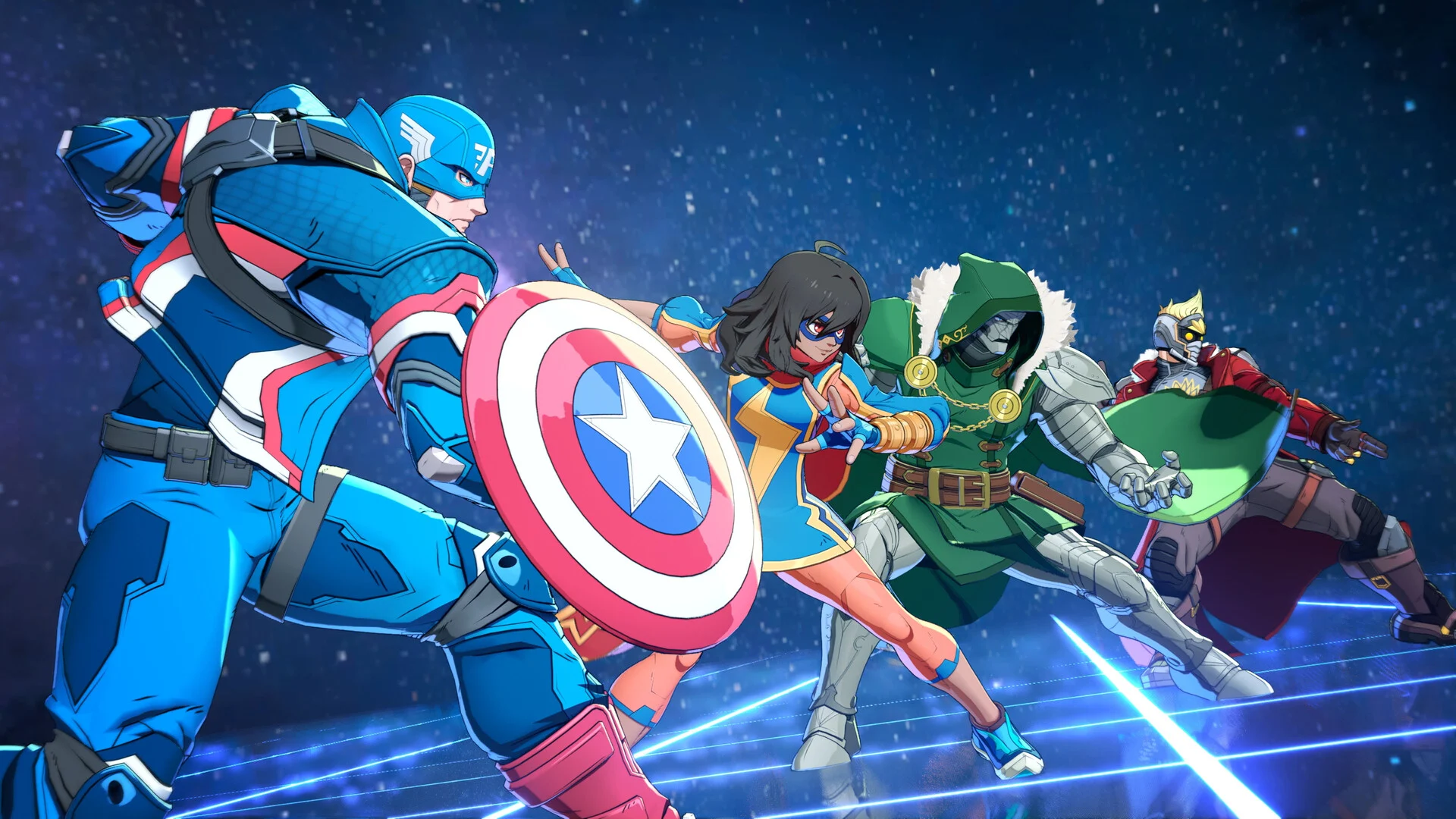
One reported comparison showed CPU usage dropping from around 57 percent in the retail release to about 34 percent in the unofficial build on the same Intel Core i7 6700K system.
Other reports described stable 60 FPS performance with CPU and GPU usage around 40 to 50 percent, while the retail version remained closer to 45 FPS under similar conditions.
These are community reported comparisons rather than controlled independent benchmarks, so they should not be treated as definitive proof of the exact cause.
Anti cheat and PlayStation services are being questioned
The main suspicion is that background software is adding unnecessary CPU overhead.
Easy Anti Cheat has been mentioned as one possible factor, while PlayStation Network SDK processes running alongside the game may also contribute to higher resource use.
The reports do not establish that one specific system is solely responsible.
Removing one layer of software can also change several background processes at once, making it difficult to isolate the exact source of the performance difference without controlled testing.
That distinction is important because poor optimization can come from multiple systems interacting rather than one individual DRM or anti cheat component.
Arc System Works says it is investigating
Arc System Works has acknowledged that some PC players are experiencing performance issues and says the development team is investigating.
However, player feedback suggests the overall situation has not improved enough yet to change the game's Steam rating significantly.
The PC version had already received attention during its open beta because of similar complaints, so the continuation of those problems after launch has made players less patient.
The controversy puts pressure on the PC version
The key issue is not simply that an unofficial build exists.
The larger problem for Sony and Arc System Works is the perception that paying customers may be receiving a less efficient version of the game because of additional software running in the background.
That makes performance optimization more urgent.
Marvel Tōkon: Fighting Souls appears to be well regarded as a fighting game, but its PC release is being judged heavily on technical stability rather than gameplay quality.
If Arc System Works can reduce CPU overhead, fix frame pacing, improve online stability, and address compatibility problems, the PC version could recover.
Until then, the performance gap being reported by players will continue to raise questions about how much the retail build's background systems are affecting the experience.



Discussion (0)
Be the first to comment.